Arianit Shehu: Albania’s progress is indisputable, but who exactly is it bothering?
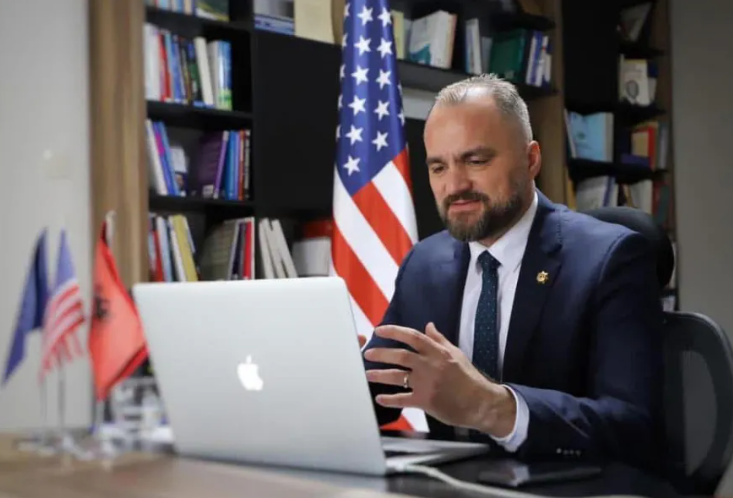
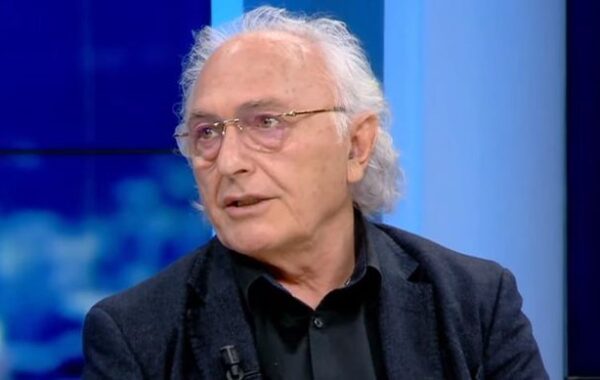
Written by: Arianit Shehu
Through a combination of luck and what I regard as God’s determination, I had the extraordinary privilege of leading, for three decades, programs funded by the Government of the United States in Europe, the Middle East and Eurasia, often in some of the most complex zones of conflict and political transition in the world, including the Orange Revolution in Ukraine, the Arab Spring in the Middle East, the Middle East Peace Process and the political transition in Syria, among others.
These experiences have given me a rare and direct understanding of how democracy, security, political transitions, foreign influence and malign actors intertwine. All of this experience has equipped me with a particular sensitivity and ability to understand how malign actors operate, how they build their influence, how they exploit institutional and societal weaknesses, and how they use disinformation, polarization, political pressure and other instruments to undermine security, democracy and stability.
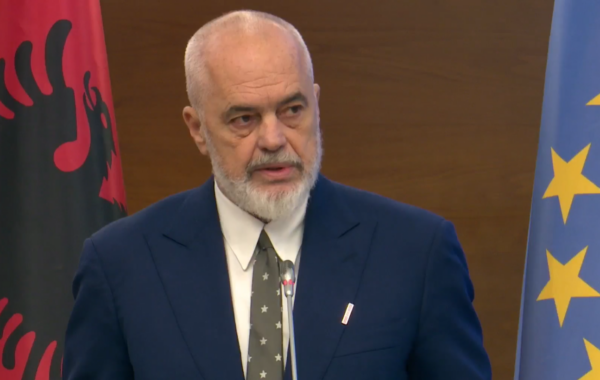
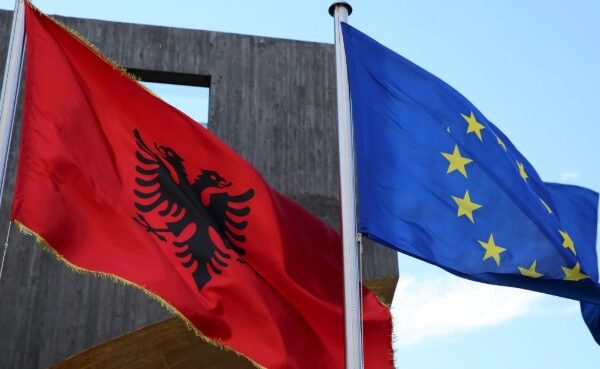
Over the last decade, Albania has undergone a significant political, institutional and international transformation under the leadership of Prime Minister Edi Rama. The country has firmly consolidated its Euro-Atlantic orientation, has undertaken the deepest reform of the justice system, has modernized the public administration and has advanced measurably toward membership in the European Union. In May 2026, the European Union confirmed the fulfillment of the interim benchmarks for the fundamentals cluster, which includes the functioning of democratic institutions, public administration reform, the rule of law and economic criteria; only two months later, in July 2026, Albania provisionally closed the first three negotiating chapters: Science and Research, Education and Culture, and External Relations. These are verifiable milestones, not mere political declarations. No democratic transition is linear and every deep reform faces problems, resistance, institutional shortcomings and criticism; but it is precisely the periodic progress reports and the advancement from one negotiating phase to the next that show Albania is gradually addressing these challenges and moving ever closer to the political and legal standards of the European Union.
In the economy, too, the change is measurable. According to the World Bank, the Albanian economy is expected to grow by 18–22% over the next five years. These rates are particularly significant when compared with the World Bank’s forecast of only 2.8% average annual growth for the Western Balkans and 1% for the EU, which means Albania is expected to grow markedly above the regional and EU average. Albania continues to have real challenges, from productivity and emigration to the strengthening of institutions, human capital and the fight against corruption, but the success of a transition is not measured by the absence of problems; it is measured by the ability to identify them, to address them and to keep moving forward. In this sense, the economic data, the reports of international institutions and the pace of the European integration process show that today’s Albania is more developed, more internationally integrated and closer to the European Union than at any other moment in its modern history. — KosovaPress
Komentet
Bëhu i pari që komenton!
Lini një Koment të Ri
Për t'u përgjigjur një komenti specifik, kliko butonin 💬 Përgjigju poshtë atij komenti.