FOCUS – IMF sharply raises its forecast for Germany’s economic growth
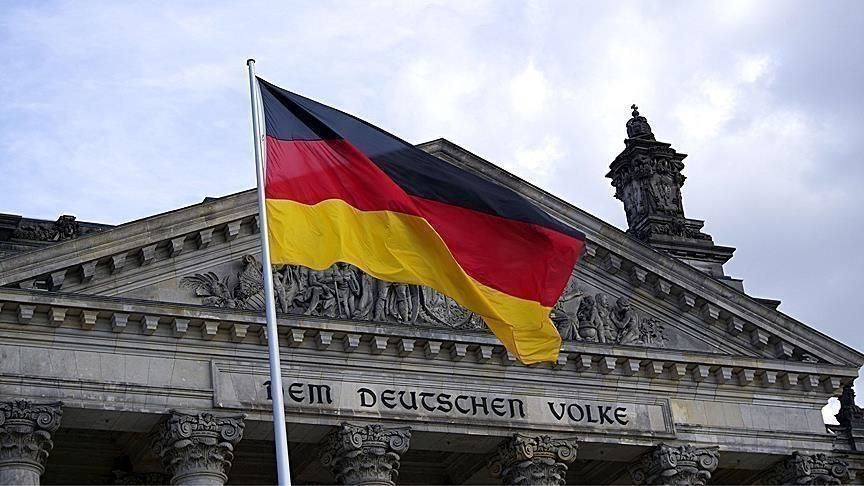
BANGKOK, 14 October /ATSH-DPA/ – The German economy is expected to grow significantly faster this year than previously forecast, the International Monetary Fund (IMF) announced today, almost doubling its forecast for 2026 to 1.3 percent.
In July, the IMF forecast economic growth of only 0.7 percent. For 2027, the institution’s economists expect the German economy to grow by 1.1 percent, or 0.1 percentage points more than the previous forecast.
The new figures match the forecasts published last week by the German government. The Ministry of Economy explained the improvement in the outlook by the unexpected resilience of the country’s economy.
The IMF also slightly raised its forecast for the global economy, estimating that world economic growth will reach 3.1 percent in 2026, from 3 percent forecast previously. For 2027, the institution left the forecast unchanged at 3.4 percent.
According to the IMF, the global economy has shown greater resilience to the shocks caused by energy prices.
Increased oil production outside the Gulf countries, the release of strategic reserves and weaker demand in China have helped soften the impact of rising energy prices.
The conflict between the United States, Israel and Iran has led to the blockage of the Strait of Hormuz, a vital corridor for global energy trade.
Since then, only a small part of the usual trade flows has passed through this strait, putting pressure on supplies and significantly increasing prices.
Nevertheless, the IMF assesses that the impact on the U.S. economy has so far been limited.
The institution kept its forecast for U.S. economic growth unchanged at 2.3 percent for 2026, while for 2027 it expects expansion also of 2.3 percent, slightly higher than the previous estimate.
According to the IMF, sustained household consumption and strong corporate investment in new technologies are supporting U.S. economic growth. /Ad.Ab./
Komentet
Bëhu i pari që komenton!
Lini një Koment të Ri
Për t'u përgjigjur një komenti specifik, kliko butonin 💬 Përgjigju poshtë atij komenti.