
For the first time in Germany, a gene-changing treatment puts an end to blood transfusions
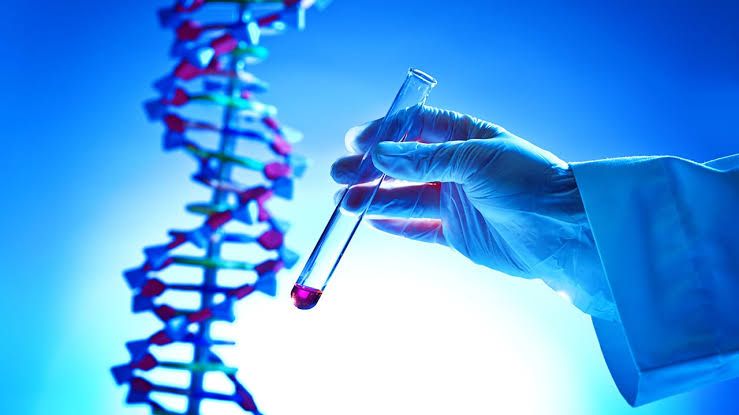
BERLIN, October 1 /ATSH-DPA/ – For the first time in Germany, a patient has been successfully treated with a drug that uses CRISPR technology to change a part of the DNA.
The news was announced today by the “Charité” University and Hospital in Berlin.
The patient, 19-year-old Mohammad, suffers from beta-thalassemia, an inherited blood disease.
According to “Charité”, after the treatment he no longer needs blood transfusions.
“Mohammad’s immune system has also recovered and his condition is currently extremely good,” the “Charité” announcement says.
The drug is called “Casgevy” and has been approved in the European Union since 2024 for the treatment of sickle cell disease and beta-thalassemia in some patients over the age of 12.
Both are genetic blood diseases, caused by changes in the gene responsible for producing haemoglobin.
Haemoglobin is a protein found in red blood cells, whose main function is to transport oxygen in the body.
Beta-thalassemia can cause great fatigue, pain, problems with physical and mental development, and excessive accumulation of iron in the body, which can damage the organs.
Around 60,000 children are born worldwide every year with severe forms of beta-thalassemia.
To survive, children affected by the severe form of the disease need blood transfusions roughly every three weeks.
However, repeated transfusions can cause serious long-term health problems.
Another option is a stem cell transplant, which can cure the disease.
But this treatment can usually only be carried out in patients up to around the age of 14, and Mohammad was already too old for this procedure.
For this reason, in May 2026 he underwent, for the first time at the “Charité” hospital, treatment with the drug “Exagamglogene Autotemcel”, which is based on CRISPR technology. The whole treatment lasts around 12 months.
CRISPR technology is a method that allows doctors and scientists to change certain parts of the genetic material, with the aim of correcting the problem that causes a disease.
The scientists Emmanuelle Charpentier and Jennifer Doudna, who developed this method, received the Nobel Prize in Chemistry in 2020 for their work.
However, some experts have expressed reservations about this treatment, as it is very complex and is expected to be available only to a limited number of patients.



Komentet
Bëhu i pari që komenton!
Lini një Koment të Ri
Për t'u përgjigjur një komenti specifik, kliko butonin 💬 Përgjigju poshtë atij komenti.