
Tokyo logs 35 consecutive days of rain, breaking a record dating back to 1886
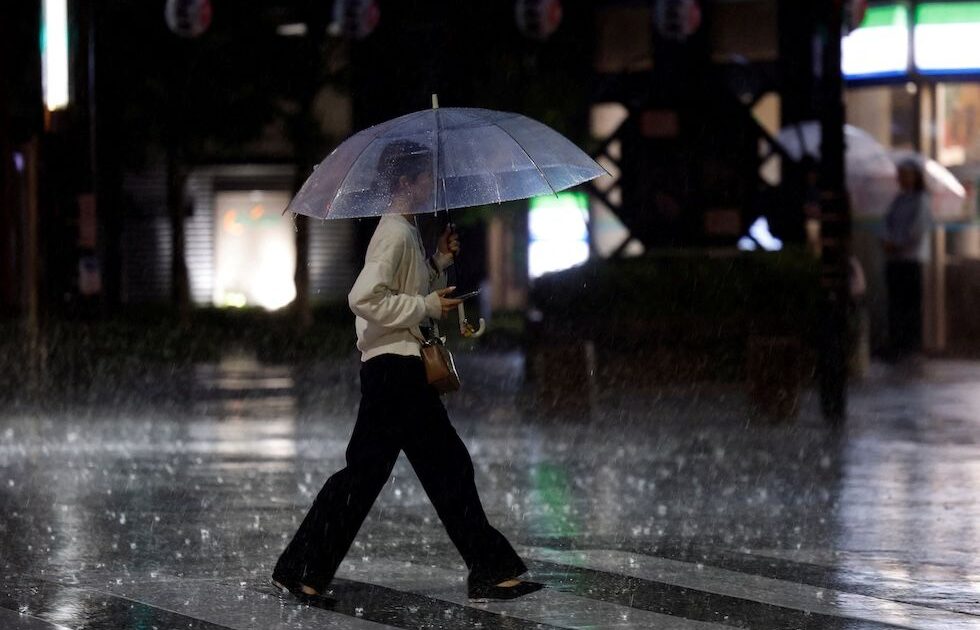
TOKYO, Oct 1 /ATSH – ANSA – The Japanese capital, Tokyo, has experienced 35 consecutive days of rainfall, marking the longest series of rainy days since meteorological records began in 1886.
According to the Japan Meteorological Agency (JMA), the new record has surpassed that of 2019, when 33 consecutive days of rain were recorded in Tokyo.
The rains began in late August and intensified during September. Data from the weather station in the Chiyoda district show that in September alone 629 millimeters of rain were recorded, about three times the average level for that period of the year.
However, this does not mean there was uninterrupted rain throughout all 35 days. Under the JMA criterion, a day counts as a rain day even when the amount of rain is very small. On 10 of those days, less than 0.5 millimeters of rain were recorded.
Two typhoons brought particularly heavy rainfall. Typhoon Krovanh, on September 6 and 7, brought over 150 millimeters of rain, while Dujuan, on September 21, brought about 156 millimeters.
According to meteorological experts, such long series of rainfall are more common in Japan during the rainy season, in June and July, while this year’s situation is unusual for this period.
Among the factors linked to the unusual atmospheric conditions is El Niño, a phenomenon that can influence rainfall patterns and increase the risk of extreme rainfall, flooding and landslides in some parts of the world.
The unusual weather has also affected daily life in Tokyo. Many residents and tourists have posted videos on social media showing the difficulties caused by the rainfall. Over the past month, the Japanese capital has had fewer than 50 hours of sunshine.


Komentet
Bëhu i pari që komenton!
Lini një Koment të Ri
Për t'u përgjigjur një komenti specifik, kliko butonin 💬 Përgjigju poshtë atij komenti.