Focus – Franco-German agreement on Europe’s car industry
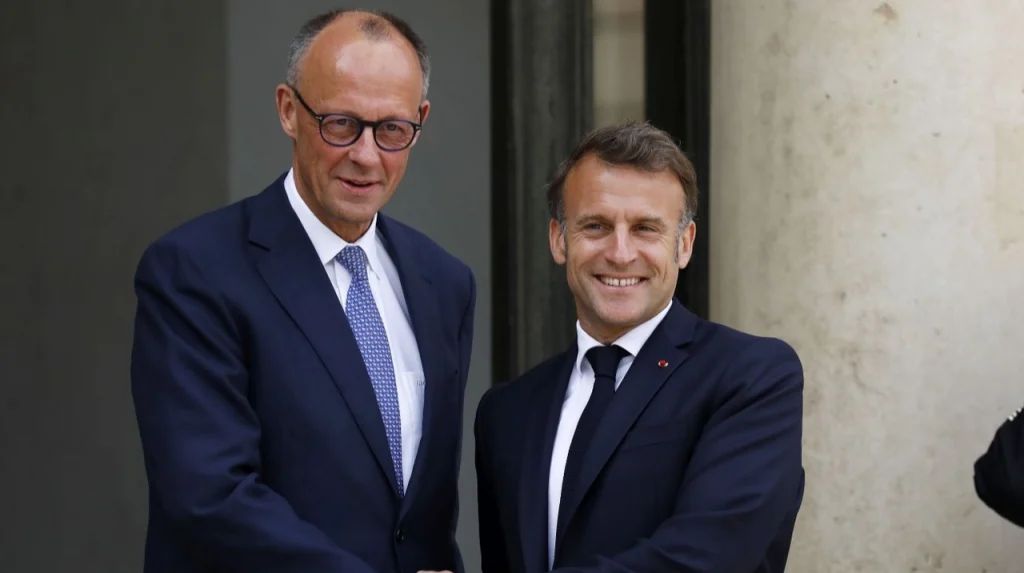
BERLIN, 16 October /ATSH-DPA/ – Germany and France have agreed on a common approach to guarantee the future of the European car industry, aiming to cut polluting emissions and ease bureaucratic procedures.
In a joint statement published today, the two governments stressed that they aim to transform the car industry, without giving up climate objectives and while ensuring that the cars of the future are produced in Europe.
The agreement comes at a time when European car manufacturers are facing great pressure from imports of competitively priced electric and hybrid cars, especially from China.
The Franco-German proposals aim to strengthen the competitiveness of European industry through concrete incentives for investment, scientific research, technological development, production in Europe and the creation of more sustainable supply chains.
German Chancellor Friedrich Merz described the agreement as an important development for motorists and for employment in Germany, France and the rest of Europe.
According to him, the agreed measures constitute a signal for investment in industry. French President Emmanuel Macron also stressed that the common objective is the transformation of the automotive sector, while preserving climate ambitions and production within Europe.
One of the main issues in the agreement relates to the possibility of easing the European Union’s planned ban on registering new cars with internal combustion engines after 2035.
According to a report by the German newspaper “Handelsblatt”, Merz and Macron have agreed in principle that manufacturers should be required to cut emissions by an average of 90 per cent from 2035, without being required to offset the remaining 10 per cent. This proposal could create room for the continued production of some vehicles with traditional engines.
At the end of last year, the European Commission proposed the possibility of registering new cars with internal combustion engines even after 2035, revising the earlier plan for their gradual elimination. Germany had sought a change to the rules, while France had previously opposed easing the ban.
The agreement between the European Union’s two largest economies could help secure the necessary support among member states and institutions in Brussels.
Macron expressed hope that the dynamic created by Franco-German cooperation will quickly lead to an agreement with the other European partners, in the interest of jobs and industry.
However, the proposals must win the necessary support at European level before they become approved rules. Thus, the agreement aims to find a balance between protecting industry and employment, international competition and the European Union’s objectives for reducing pollution.


Komentet
Bëhu i pari që komenton!
Lini një Koment të Ri
Për t'u përgjigjur një komenti specifik, kliko butonin 💬 Përgjigju poshtë atij komenti.