Kuko on “3D” on RTSH: In Albania we are seeing features of the extremist ANTIFA movement, no democratic government is toppled by stones
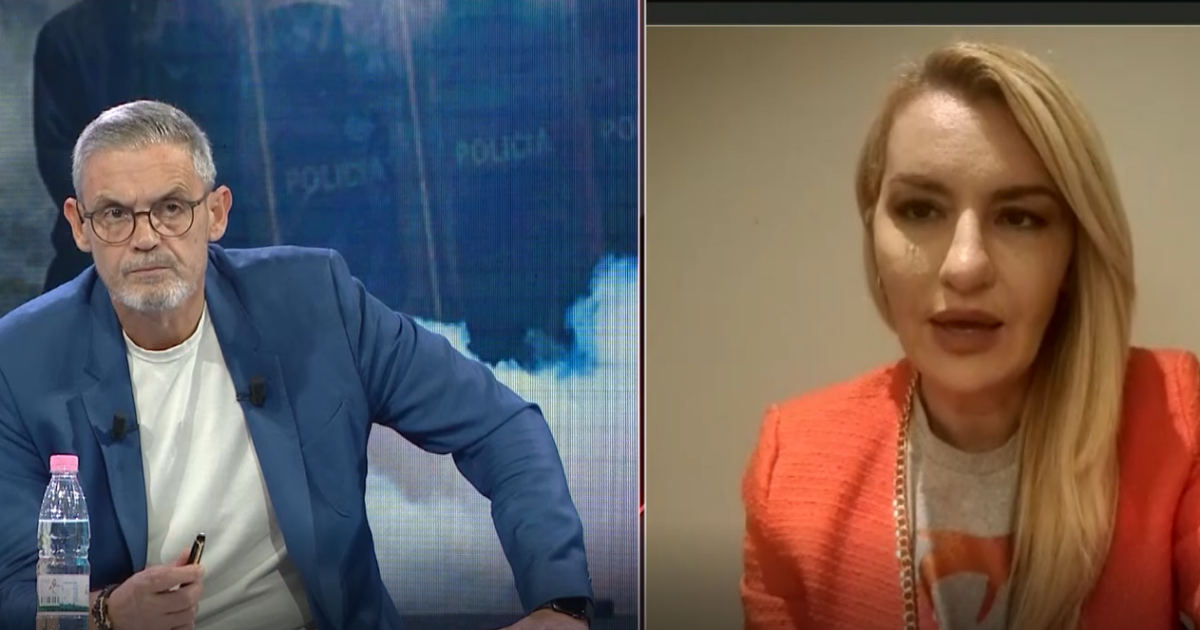
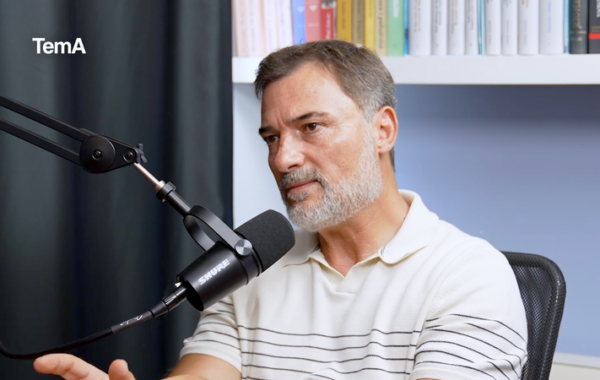
On the programme “3D” by Alban Dudushi, Socialist Party (SP) MP Romina Kuko discussed in depth the topic of the “Fever of the seven days”, raising the need for a clear separation between the right to democratic demonstration and acts of violence.
According to her, the approach to the protests must be careful so as not to legitimise violence as a means of toppling governments: “If we set the precedent that a government leaves because some violent people gather, there is no government that can come after this that will be immune to this phenomenon.”
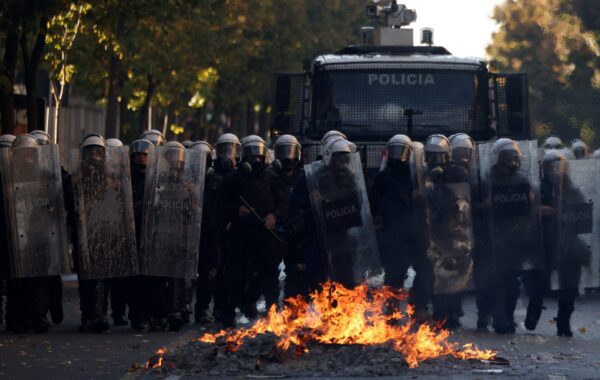
Kuko underlined that social demands, such as those of students for lower-rent housing, do not find a solution through vandalism or the burning of institutions. According to her, damaging small businesses and public property does not contribute to addressing young people’s legitimate problems, stressing that there is a mistake in public discourse “by merging the violent part of the protest with the demonstration of people who want change.”
The profile of extreme movements and the parallel with ANTIFA
During the interview, Kuko also addressed the typology of the persons involved in acts of violence, drawing parallels with internationally known movements such as ANTIFA (the Anti-Fascist Movement). According to her, these groupings channel their activity through tactics known as “Black Blocs”, which are characterised by masking and violent clashes with the uniforms. She warned that this kind of ideology aims to undermine the constitutional order and often hides behind legitimate causes: “It is an international with left-wing extremism, which operates today in Europe and has gone as far as to undermine governments in a way through action, hiding behind legitimate protests.”
The influences of international actors and disinformation
In the second part of her speech, the MP brought attention to geopolitical factors and massive misinformation, mentioning cases where videos taken out of context (such as Polish fans or footage from Kosovo) have been used on social networks to create artificial panic. Kuko also referred to situations where unfriendly countries or regimes that oppose Western interests intervene in such situations. She mentioned as examples cyber attacks from Iran, Russia’s reported interventions in France and influences in the Brexit process in Great Britain, arguing that: “We are dealing with countries which are not friendly to Albania, which want a destabilised Albania, take the dissatisfaction, amplify it, use social networks, take things out of context.”
In conclusion, she stressed that security threats require professional treatment, warning that social radicalisation must be read carefully to prevent the instrumentalisation of protesters by entities that do not aim to strengthen democracy.
Komentet
Bëhu i pari që komenton!
Lini një Koment të Ri
Për t'u përgjigjur një komenti specifik, kliko butonin 💬 Përgjigju poshtë atij komenti.