New Questions Over Railway Safety on the Athens–Thessaloniki Line as Technical Documents Cast Doubt on Modern Systems
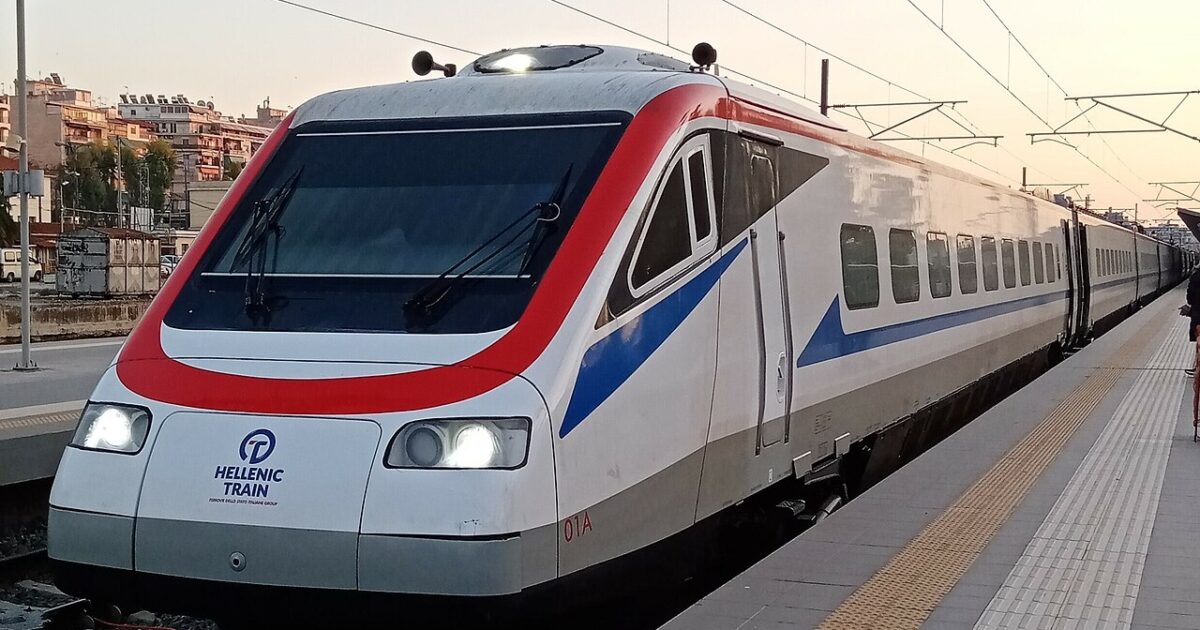
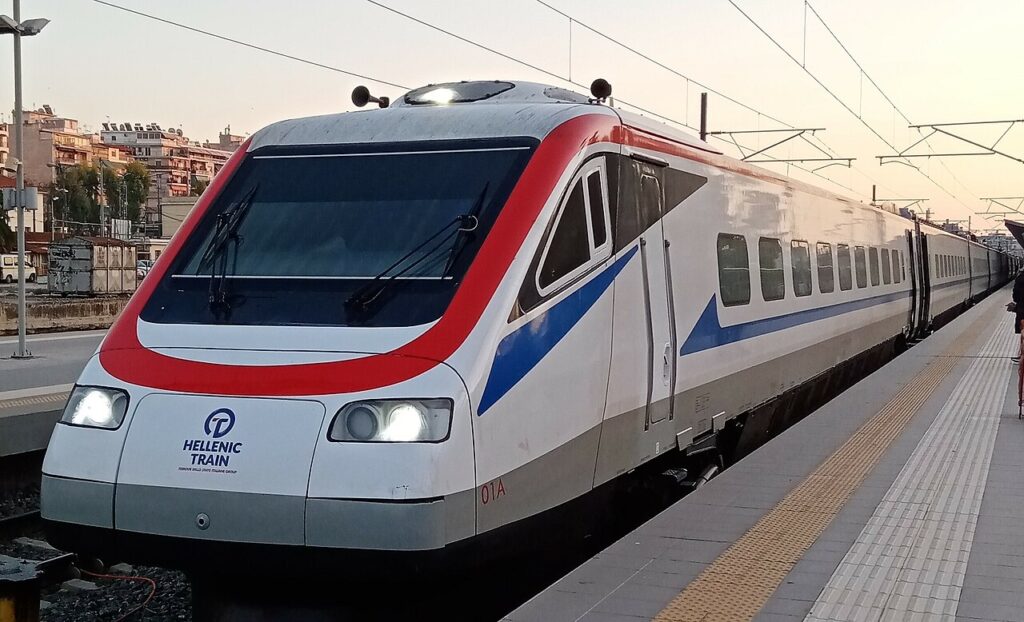
New official technical documents have raised fresh questions about the extent to which modern safety systems are fully operational along the Athens–Thessaloniki railway corridor, with a particular focus on the Domokos area, Greek City Times reports. According to the report, the documents cast doubt on how complete and reliable the signaling and control systems really are that were supposed to make the country’s main line safer. The railway infrastructure manager, Hellenic Railways (formerly OSE), has been asked about the documents and has given its own response on the current state of the systems.
The issue touches the most sensitive nerve of Greek public opinion: on February 28, 2023, a passenger train and a freight train collided head-on near Tempi, on the Athens–Thessaloniki corridor, killing 57 people, most of them students. Subsequent investigations revealed that the train protection systems were not functional — a failure rooted in years of neglect, with work on the European ETCS system started back in 2014 and repeatedly delayed.
Since then, the government has promised a full modernization of the network. Deputy Transport Minister Konstantinos Kyranakis stated earlier this year that if in 2019 only around 1% of the remote-control system was operational on the Athens–Thessaloniki line, the figure has now reached around 80%, with the goal of 100% signaling, remote control and ETCS by the summer of 2026. Yet similar questions have persisted: in March 2026, a parliamentary question in the European Parliament cited internal OSE documents about serious technical problems on the Tithorea–Domokos line, from flooded cable ducts to ballast degradation and electronic equipment exposed to moisture.
On August 28, 2026, the government’s structural reforms took effect: OSE, ErgOSE and GaiaOSE were merged into a single body, “Greek Railways,” with the mission of improving network safety and oversight. Meanwhile, the investigative authority EODASAAM’s report, published in February this year, found that the infrastructure manager had neglected maintenance of critical control, safety and signaling equipment — and the trial over the Tempi tragedy is expected to begin soon.
The new technical documents turn attention back to the same question that has divided Greek politics and public opinion for three years: are trains in Greece really safer today than on the night of February 28, 2023? The answer, it seems, will continue to be sought both in documents and in the courtroom.
Burimi: Greek City Times
Komentet
Bëhu i pari që komenton!
Lini një Koment të Ri
Për t'u përgjigjur një komenti specifik, kliko butonin 💬 Përgjigju poshtë atij komenti.