Tirana under fear of the police: large forces, arrests and violence on the seventh day of the protest
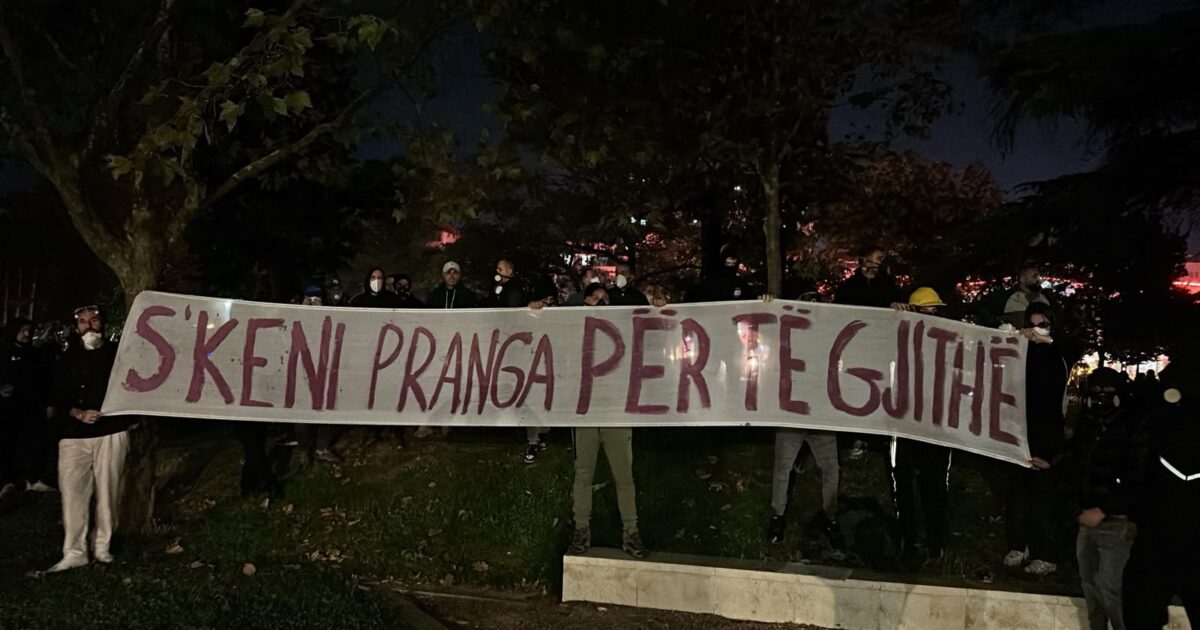
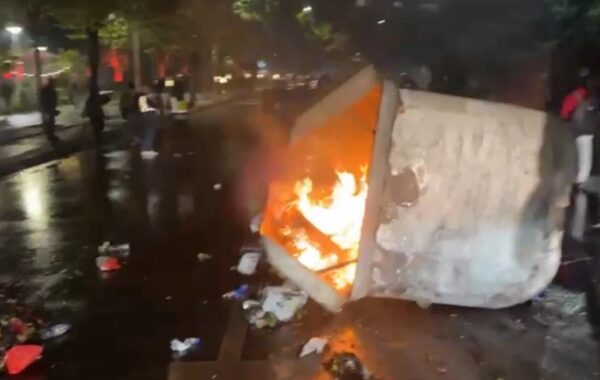
Tirana is experiencing another difficult day. On the seventh day of the protest against the government of Edi Rama, the capital has turned into a place of continuous clashes between young protesters and large police forces. The presence of officers, police vehicles and crowd dispersal equipment has created an atmosphere of fear, while the arrests of recent days have increased concern that the protest is facing an ever harsher response from the state.
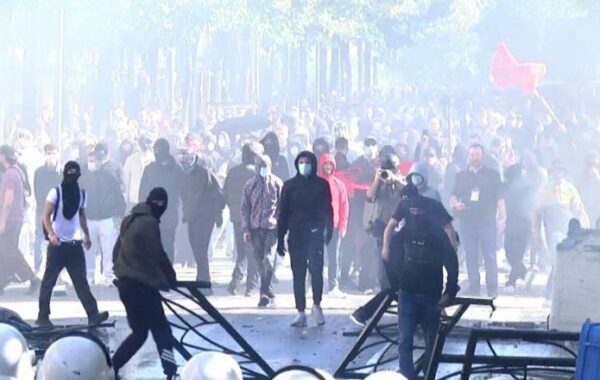
During today, protesters marched on the main streets of Tirana, demanding the resignation of the prime minister and the government. Clashes were recorded near Skanderbeg Square and state institutions. The police used tear gas and pressurised water, while escorts of protesters were also reported. On the other hand, groups of protesters threw capsules, fireworks and hard objects towards the police.
The arrest figures show the scale of the escalation of the situation. According to data published today, the police arrested 68 people and criminally prosecuted 22 others for the events of a day earlier. Among those arrested, seven minors aged 15 to 17 are also reported. On 16 October, the police had announced 56 arrests and the criminal prosecution of 97 other people. These figures testify to a wide wave of detentions and prosecutions during the protests.
Footage and reports on police interventions have increased concern about the way citizens who protest are being treated. While the police have the duty to stop violence and protect public safety, they cannot treat participation in a protest as a reason for punishment. The arrest of persons suspected of criminal offences must be based on individual evidence and not on the fact that they were part of a gathering against the government.
Particularly worrying is the atmosphere of fear being created among young people and their families. In a democratic country, a student should have the right to take to the street, oppose the prime minister and demand his resignation without fearing that he will end up at the police station. Even when acts of violence occur during a protest, responsibility must be individual. The actions of a few people cannot be used to limit the rights of all protesters.
Today’s tensions come after several days of heavy clashes, during which both protesters and police officers have been injured. Institutions, businesses and private property have also been damaged. These acts cannot be justified, but neither can they serve as a justification for the disproportionate use of force by the authorities. The European Commission and representatives of the European Parliament have condemned the violence and have demanded respect for the right to protest, as well as an investigation into claims of excessive use of police force.
Political responsibility for the situation created weighs on the government of Edi Rama. For seven days, thousands of citizens, students and high school pupils have been expressing their dissatisfaction on the streets. The protest has also spread to other cities, including Shkodra, Vlora, Lezha and Elbasan. However, faced with the demand for resignation, the government continues to treat the situation mainly as a public order problem.
The prime minister has declared that he is ready for dialogue, but at the same time has supported the harsh stance of institutions towards persons involved in violence. Today he also announced financial support of 2,500 euros for every police officer engaged in dealing with the protests. This decision, at the height of clashes with demonstrators, risks being perceived as another political message that the government is investing more in the police response than in resolving the crisis.
What is happening in Tirana cannot be resolved with arrests, tear gas or an increase in special forces. The protest has political and social causes that require political answers. A government can protect institutions from violence, but it cannot demand that citizens’ dissatisfaction disappear through police interventions.
In these conditions, the demand for an independent investigation of every alleged case of police violence becomes urgent. Transparency about arrests, the treatment of minors and respect for the rights of detained persons is equally necessary.
In the end, the biggest problem for Albania is not only the number of police officers on the streets or the number of protesters arrested. It is the fear being created in the citizen to exercise a constitutional right. When a young person has to think first about the consequences he may face from the police rather than about the demands he wants to express, democracy has a serious problem.
Albania needs order and security. But order cannot be maintained by frightening citizens and security cannot be built by limiting the freedom to protest. The government has the duty to protect both, not to sacrifice one in the name of the other.
Komentet
Bëhu i pari që komenton!
Lini një Koment të Ri
Për t'u përgjigjur një komenti specifik, kliko butonin 💬 Përgjigju poshtë atij komenti.