
Vessev presents the electric ferry that almost flies over the water
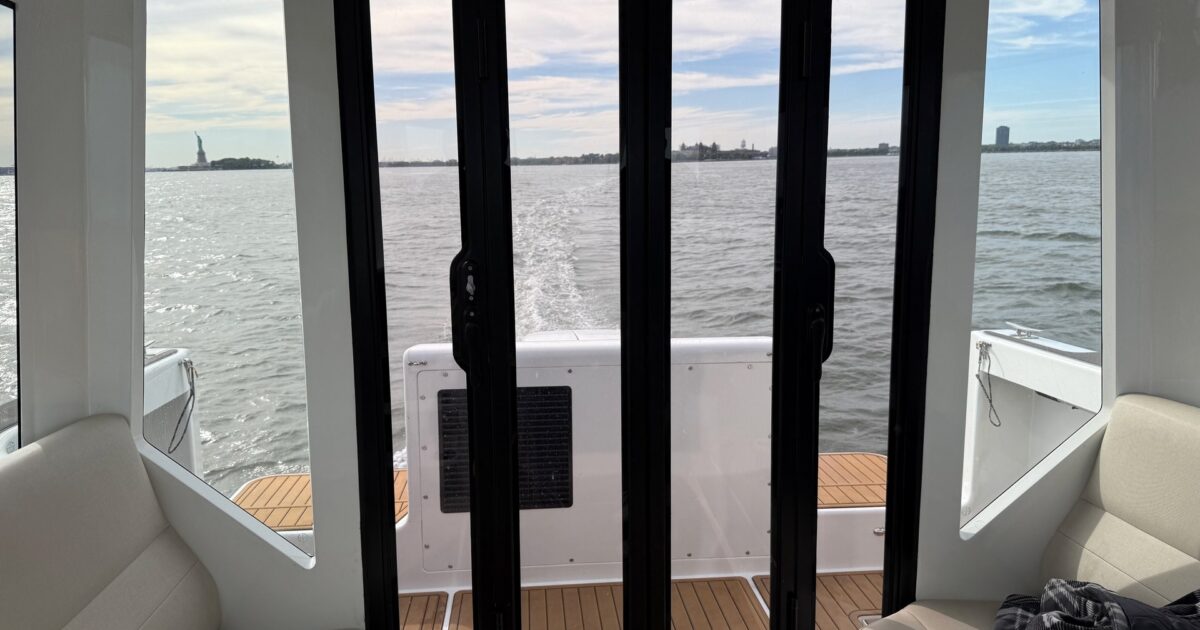
TechCrunch journalist Tim De Chant boarded Vessev’s VS-9 electric ferry at the Brooklyn marina, on a trip towards Governors Island on New York’s East River, with co-founder and CEO Eric Laakmann on board, as TechCrunch reports. From the outside, the VS-9 looks like other catamarans, but beneath the hull there are two wing-like structures that lift the vessel as they cut through the water; computer-controlled underwater flaps keep the motion smooth and stable; most of the lift is done by the front foil, around 20% by the rear one.
The water wake when the vessel “flies” is minimal, and the transition from ordinary sailing to hydrofoiling happens without any dramatic sensation — the experience is like driving a sports car. Traditional vessels of this size (around 9 metres) pitch and slam into the water as they gain speed; on hydrofoils, that is precisely when the foils start their work. The VS-9 can raise the foils to enter docks in shallow waters. The rear foil also carries the electric motor, built by Vessev itself to keep costs in line; the only element the company does not build is the batteries — “they have been commoditised,” Laakmann said.
By lifting the hull above the water, hydrofoils work more efficiently — particularly important for electric vessels, where every kilowatt-hour matters. Shipbuilders have experimented with hydrofoils for more than a century; the design works better in waters where the vessel can clear the waves — for the VS-9 waves up to around 0.75 metres; higher waves touch the hull and spoil the smoothness and efficiency. They are not ideal for the open ocean, but they work for lakes, rivers and bays.
Vessev raised $19 million in its Series A round in August and is initially targeting transit operators: the combination of electric propulsion and hydrofoils can lower the operating cost of small vessels and make them comfortable enough to complement urban mass-transit systems — e.g. New York could use them to take people to Brooklyn or Queens without building much new infrastructure. Hotels and tour operators are also an early market, and public demonstrations like this one have attracted wealthy individuals. The VS-9 can carry a full load of passengers up to 40 nautical miles (46 miles / 74 km) and charges with a typical EV charger.
For the moment the VS-9 is unique, but Laakmann said Vessev plans to build more; in the future the company may move into producing electric hydrofoil kits for other builders. In January 2025, the VS-9 entered commercial service with the operator Fullers360 in Auckland, New Zealand — the world’s first certified electric hydrofoil ferry in an operator’s fleet, with a service speed of 25 knots.



Komentet
Bëhu i pari që komenton!
Lini një Koment të Ri
Për t'u përgjigjur një komenti specifik, kliko butonin 💬 Përgjigju poshtë atij komenti.