
Europe’s car industry faces supply risk as the shift to electric vehicles raises competition
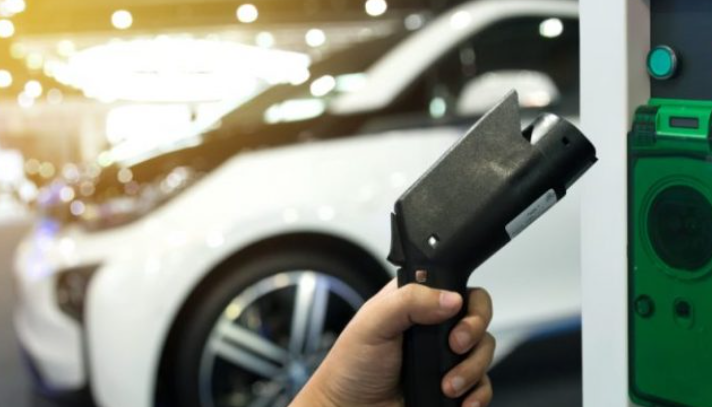
Europe’s car industry is facing a growing dependence on foreign countries for the chips, metals and components needed to produce vehicles. A study carried out for the European Automobile Manufacturers’ Association ranks the concentration of supply in a few countries as the main risk for the automotive sector in Europe.
Among the materials and components most at risk are electronic chips, the magnets used in electric motors and the cables that connect cars’ electrical systems.
China controls a large share of magnet production, while Taiwan and South Korea are among the main centres of chip production.
Europe has already experienced the consequence of this dependence. China’s restrictions have forced some European factories to halt production, while the chip shortage has created new concerns about supply for the industry.
The shift to electric cars makes the situation even more complicated. These vehicles require more chips, electronics and critical materials, putting European manufacturers in direct competition with other sectors such as artificial intelligence, data centres, the defence industry and clean energy.
According to the study, the move towards electric vehicles has increased competition for these materials by around 15%.
Experts warn that Europe cannot become completely independent of foreign supplies, but it can reduce the risk by diversifying suppliers, creating new transport routes and investing in the production and processing of materials within Europe.
Building new capacities, according to the study, takes several years. For this reason, experts call for measures to be taken before the next supply crisis appears.



Komentet
Bëhu i pari që komenton!
Lini një Koment të Ri
Për t'u përgjigjur një komenti specifik, kliko butonin 💬 Përgjigju poshtë atij komenti.