
Greece asks the EU to ease fiscal rules as the energy crisis deepens
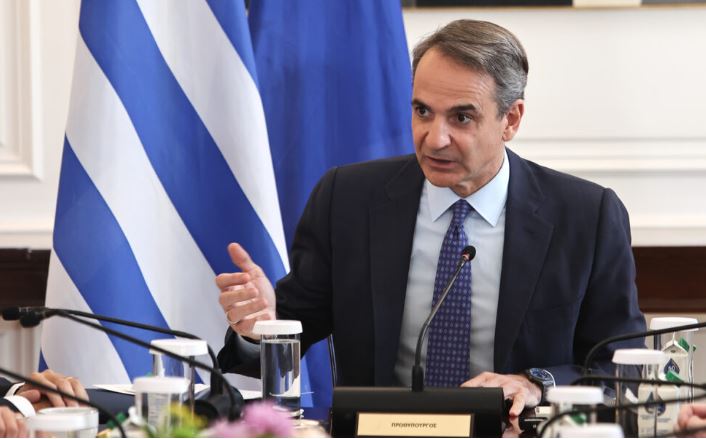
Greek Prime Minister Kyriakos Mitsotakis has called on the European Commission to take action to give national governments more fiscal room to protect households and businesses from a renewed energy price shock.
“We need more room to protect our citizens and our businesses. We need to find the additional flexibility needed within the Economic Governance Framework to allow Member States to take additional support measures while maintaining fiscal sustainability,” the letter dated September 30 reads.
Addressing Commission President Ursula von der Leyen and Eurogroup President Kyriakos Pierrakakis, Mitsotakis said Europe’s latest energy crisis is lasting longer than expected, with escalating attacks on energy facilities in the Middle East threatening to turn it into an economic and political challenge for Athens.
Greece has the largest national debt among the EU’s 27 member states. While the country’s economy is growing, a wave of generous government subsidies and broad tax cuts is making it much harder to reduce its massive national debt.
To help households cope with rising costs, Athens has handed out substantial cash assistance for energy bills, fuel and agriculture. At the same time, Mitsotakis has cut income and property taxes to please voters and boost businesses ahead of parliamentary elections planned for 2027.
Several EU countries have already spent billions of euros on tax cuts and subsidies to shield themselves from rising prices. The Greek leader noted the sharp price increases since the United States and Israel launched the war against Iran on February 28: EU gasoline prices before tax have risen 53%, diesel prices 66%, while natural gas has risen from just over €30/MWh to around €70/MWh.
In most EU countries, electricity prices exceeded €100/MWh over the past month, up from €42/MWh before the turmoil in the Middle East, with some markets approaching or exceeding €200/MWh. Mitsotakis argued the problem is no longer just energy costs, but their knock-on effect on broader inflation and household affordability.
Greece is proposing that temporary national measures to support consumers and companies, up to a certain limit, could be excluded from the EU’s net expenditure indicator, a government spending constraint that limits how quickly a national government can raise its day-to-day budget.
It also proposes that governments be able to account for the additional VAT revenues generated by unexpectedly high inflation linked to energy prices.
If the European Commission considers these measures, it would give governments more fiscal space to subsidize or otherwise support citizens and businesses without the same pressure from EU fiscal rules.
The Greek leader expects the request to be discussed at the meeting of energy ministers in Brussels later in October and at next year’s summit of EU heads of state and government.

Komentet
Bëhu i pari që komenton!
Lini një Koment të Ri
Për t'u përgjigjur një komenti specifik, kliko butonin 💬 Përgjigju poshtë atij komenti.