
International Coffee Day
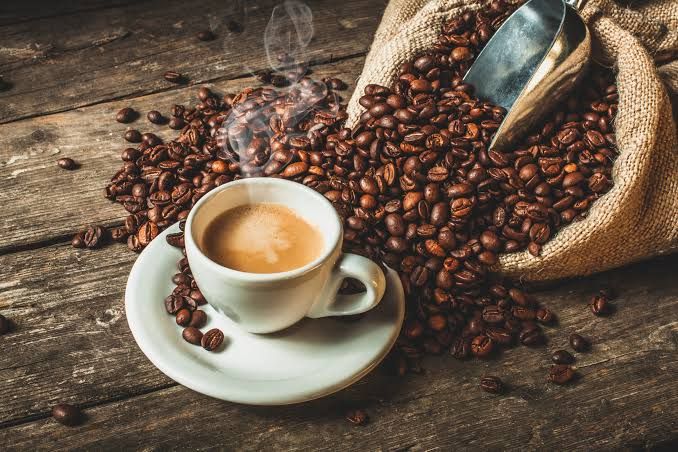
Today is International Coffee Day.
This year’s attention is devoted to climate change, the El Niño effect and the exceptionally heavy rainfall in Brazil’s production areas, which has been quickly reflected in prices and harvest expectations.
Every cup of coffee begins far from the table, in the soil and in the farming communities, to whom great knowledge and work are due. From fields and forests, from ports to factories, cafés and homes, coffee connects people across borders and generations. It is at once a daily ritual, a living tradition and a source of livelihood.
Coffee is the world’s most traded tropical product and one of the most consumed beverages. Up to 25 million farming families, mainly in developing countries, produce about 80 per cent of the world’s coffee. Brazil, Vietnam and Colombia lead global production, while the European Union and the United States of America are the largest importing and consuming markets.
Market instability, rising costs and the unequal distribution of income across the value chain can leave millions of small producers bearing the greatest risks, while receiving only a limited share of the value their work creates.
Recognising both the global importance of coffee and the people behind it, the United Nations General Assembly, which designated 1 October as International Coffee Day, calls on governments, international organisations, civil society, indigenous peoples, local communities, businesses, academics and others to share knowledge and advance a fairer, more resilient and more sustainable coffee sector. Colombia’s Coffee Cultural Landscape, included on UNESCO’s World Heritage List, offers a living example of how coffee can shape landscapes, livelihoods and living cultural traditions.



Komentet
Bëhu i pari që komenton!
Lini një Koment të Ri
Për t'u përgjigjur një komenti specifik, kliko butonin 💬 Përgjigju poshtë atij komenti.