
Rome uncovers a 16th-century treasure: the nude frescoes nuns covered in plaster because they found them offensive
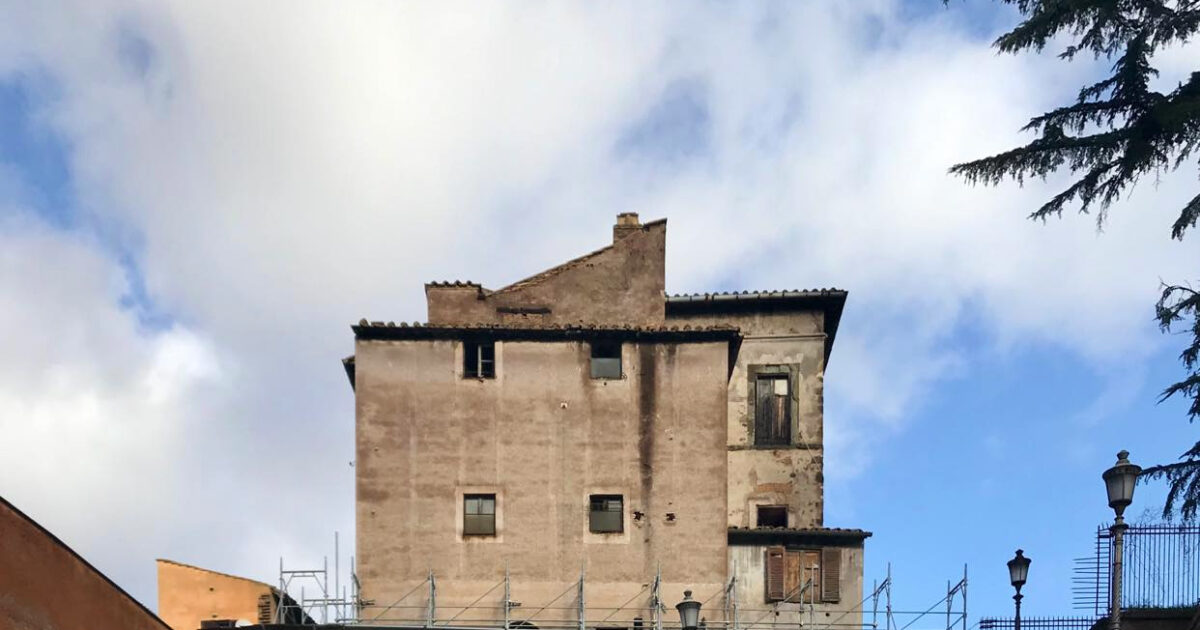
One of the most important historical discoveries in Italy in the 21st century is coming to light on Via dei Fori Imperiali in Rome, the grand boulevard leading to the Colosseum. Inside a weathered building, partly covered in scaffolding, restorers are uncovering an astonishing collection of 16th-century murals by some of the era’s most distinguished artists — works that 17th-century nuns covered with plaster after finding them offensive, as The Art Newspaper reports.
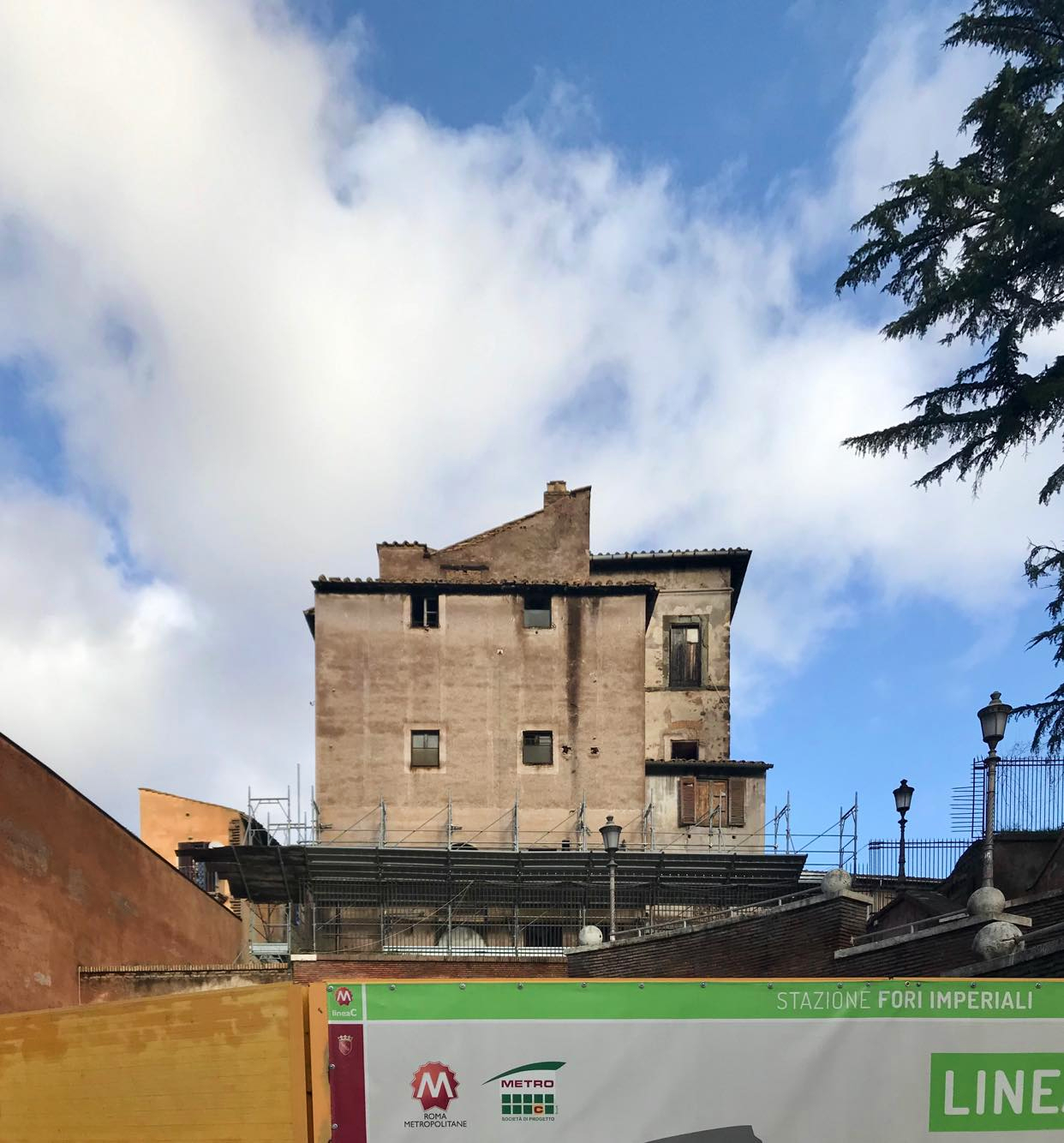
The building, Villa Silvestri Rivaldi, was one of Rome’s most splendid residences in the 16th century. Today its interior is filled with platforms and spotlights, where a team of researchers works nonstop. Many walls are still covered in plain brown plaster, but here and there an arm, a suit of armor or a row of cherubs emerges; elsewhere entire scenes have surfaced: battles with plundering soldiers, gods and goddesses standing majestically, zodiac symbols. The pose of Jupiter recalls Christ in Michelangelo’s “Last Judgment” in the Sistine Chapel — and that is no coincidence: Eurialo Silvestri, the wealthy prelate who built the villa, was the right-hand man of Pope Paul III, who commissioned the Sistine work itself.
In 1660 the villa passed into the hands of the Conservatorio delle Mendicanti, a religious institution that ran a girls’ school and an orphanage. The nuns, who objected to the non-Christian nude mythological figures, covered the murals and kept the building for 300 years — a period during which it even became one of Rome’s best-known textile workshops. After the nuns left around 1970, the building was used as a community arts center and a squat — and the team also found 20th-century graffiti there.
The greatest finds are emerging in the Hall of the Divinities: monumental half-naked frescoes of goddesses in vivid orange, yellow and green, some holding armor and weapons. Research at the British Library in London helped attribute them possibly to Prospero Fontana, art historian Gianni Pittiglio of the Istituto Centrale per il Restauro told The Art Newspaper; before Fontana, they were most likely executed under the direction of Perino del Vaga (1501–1547), a pupil of Ghirlandaio whose work also appears in Castel Sant’Angelo. Restoration continues in the neighboring Hall of Emperors, with battle scenes of foot soldiers, horsemen and a lion, plus portraits of emperors including Titus and Hadrian. Pittiglio called it “the most exciting project for me in 25 years” — he comes every few days and always finds something new.
The Lazio region bought the property for 25 million euros in 2024; the work is being carried out by the Istituto Centrale per il Restauro, the conservation institute of the Italian culture ministry, while the Hall of Cupid and Psyche still awaits full investigation. The story was also covered by USA Art News, as a second confirmation of the discovery’s significance.

Komentet
Bëhu i pari që komenton!
Lini një Koment të Ri
Për t'u përgjigjur një komenti specifik, kliko butonin 💬 Përgjigju poshtë atij komenti.