
Saudi Arabia strikes back after losing the strait: 54 airstrikes in 24 hours, Houthis claim air base hit
Saudi Arabia launched its first serious counteroffensive on Monday against the Iran-backed Houthi rebels, carrying out airstrikes and reorganizing its Yemeni allies for a counterattack, after the rebels seized the strategic Bab al-Mandeb strait in the Red Sea — one of the world’s most important sea routes for oil exports.
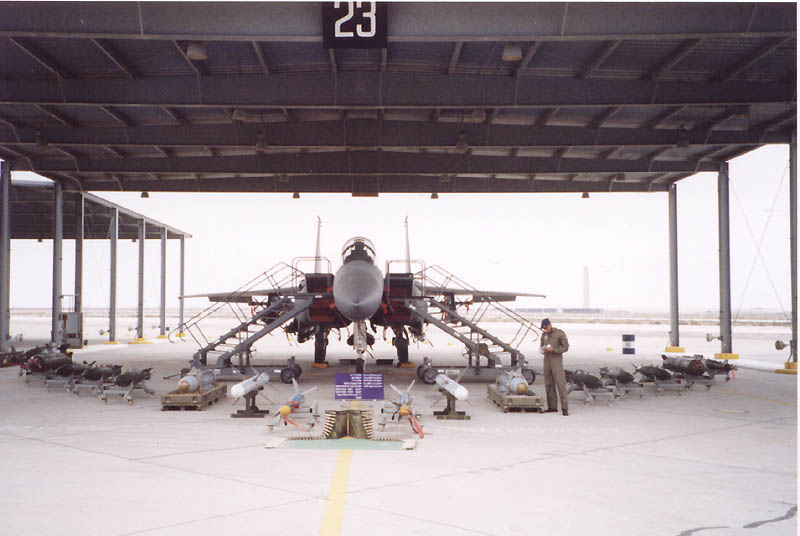
According to the Houthis themselves, Saudi aviation carried out 54 airstrikes within 24 hours using F-15 and Typhoon fighter jets. The rebels say they have already halted their advance after reaching the strait and are fortifying their positions along the coast, but have simultaneously launched a new offensive eastward to cut off Taiz and encircle the government-controlled city.

On Monday the Houthis claimed, for the second day in a row, a new strike against an air base in southern Saudi Arabia. The Yemeni government, backed by Riyadh and the West and controlling part of the south including the temporary capital Aden, has tried to downplay the shocking defeat that put one of the world’s most strategic sea corridors in the rebels’ hands and pushed energy prices higher. Rashad Alimi, head of the government’s presidential council, dismissed the defeat as “incidental” and said the government “will remain clear and determined in the objective of restoring institutions and restoring sovereignty over all national territories.”
But analysts warn the task is difficult. The government’s militias, competing for influence, had tried to defend territory without a unified command and were unprepared for the more organized Houthis, who used clever combat tactics — in one incident they hacked the government’s communication lines and played an AI-generated recording of Tariq Saleh, the main military commander of Mocha, calling on troops to withdraw. “There is no cohesion,” said Mohammed Basha, a Yemen expert and founder of the Washington-based Basha Report firm. “It is a difficult battle for the government. They are demoralized after the defeat on the west coast, while the Houthis are very jubilant and confident they can take all of Yemen.”
The campaign is believed to have been coordinated with Iran and strengthens Tehran’s leverage over the United States, as Iran tries to block the Strait of Hormuz. On Monday, Crown Prince Mohammed bin Salman, Saudi Arabia’s de facto ruler, met with the head of U.S. Central Command (CENTCOM), Admiral Brad Cooper, according to Saudi state television. Sources say Iran has sent commanders to help the operation, which gives Tehran and its ally control over two of the world’s most important oil chokepoints.
The Houthis have insisted in recent days that they will not resume attacks on commercial ships as they did in 2023 in support of Hamas in Gaza, but have warned they will continue strikes against Saudi oil tankers. Since July, they have imposed a “naval blockade” on Saudi Arabia, while the strategic Saudi pipeline carrying oil from the east to the Red Sea has been out of service since last week’s attack — a disruption that, if not repaired quickly, could cut global energy supplies by up to four percent.
Riyadh is now caught between the difficult choice of escalating the war or seeking peace, leaving the Houthis in control of Yemen’s most important junctions. “The Saudis need to understand what they want,” Basha said. “Do you want peace or do you want war? I think that is not clear.”
Source: The Times



Komentet
Bëhu i pari që komenton!
Lini një Koment të Ri
Për t'u përgjigjur një komenti specifik, kliko butonin 💬 Përgjigju poshtë atij komenti.