
Starship engine failure threatens NASA’s timeline for crewed return to the Moon
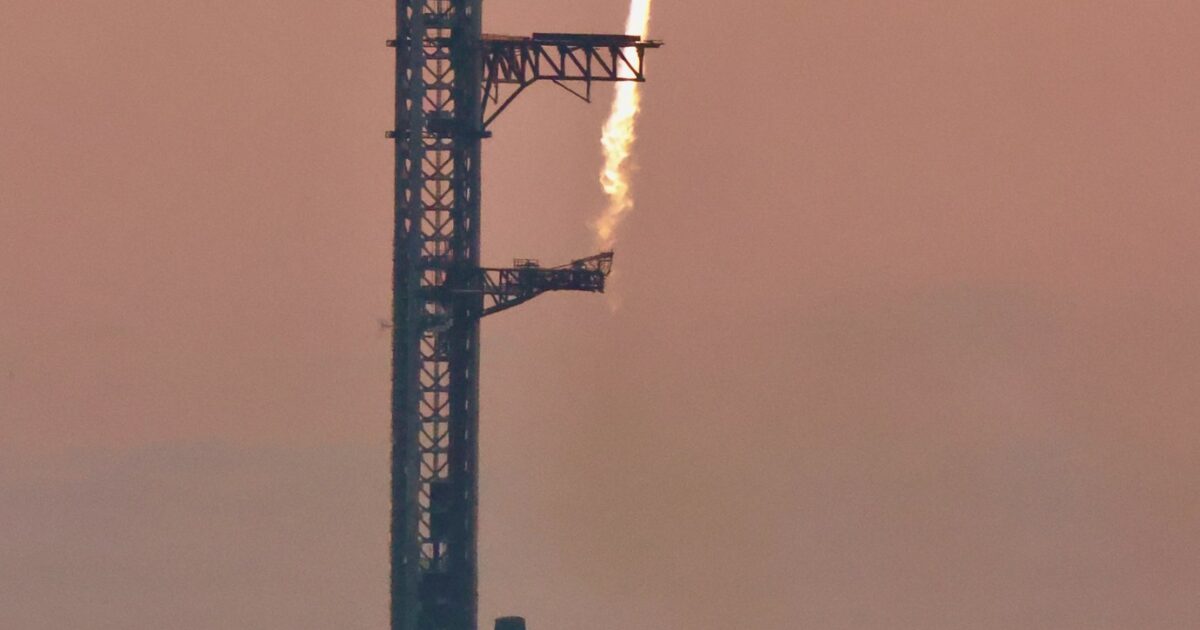
The failure of a SpaceX Starship rocket engine during its orbital debut on Monday could complicate NASA’s ability to meet the deadlines for crewed missions to the Moon, as Reuters reports.
Starship is one of two vehicles competing to become NASA’s first lunar lander since 2028 (the last crewed Moon landing: 1972, the end of the Apollo era). On its 14th flight from Texas, one of three main Raptor engines shut down unexpectedly after separation from the booster, but flight controllers pressed on and sent the ship into orbit, also achieving the first commercial satellite deployment (26 Starlinks).
Space engineer Dean Sladen (Accu Components) says the significance depends on whether it is “a one-off failure of a single part” or a bigger design problem requiring upgrades “across the entire fleet”: “Every engine fix that delays the next flights, including the planned attempt to catch the ship with the tower arms, eats into the schedule.” He added: “The real pressure is the Moon. NASA needs Starship for Artemis III” — an Earth-orbit test mission targeted for next summer as a rehearsal for the first crewed landing.
NASA and SpaceX did not immediately respond to Reuters’ requests for comment. Raptor engine problems have caused setbacks before: on the 12th flight in May an engine did not ignite properly, while on the 13th in July all engines performed during ascent.
SpaceX is racing Jeff Bezos’s Blue Origin for the new era of lunar exploration under the Artemis program; NASA chief Jared Isaacman said in April that NASA would pick the lander that is ready first. NASA’s official goal: returning astronauts to the lunar surface by 2028 — a target widely seen as overly ambitious — ahead of China, which plans a crewed landing by 2030.



Komentet
Bëhu i pari që komenton!
Lini një Koment të Ri
Për t'u përgjigjur një komenti specifik, kliko butonin 💬 Përgjigju poshtë atij komenti.