
Albania among top four in EU accession race; Kos: 2026 a record year for chapters
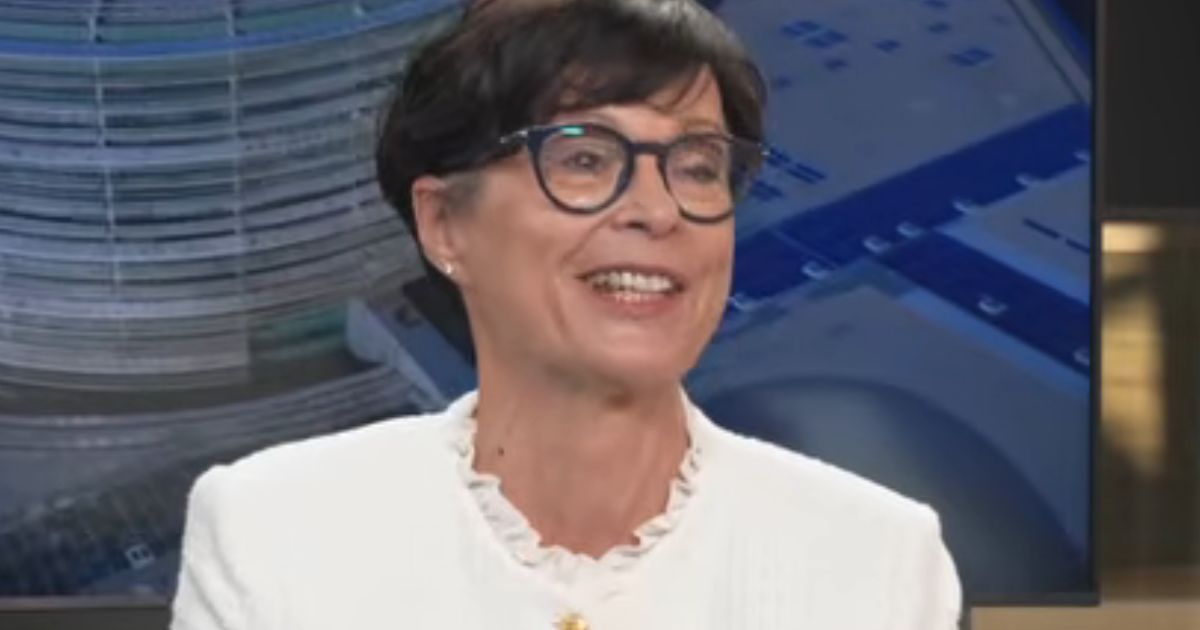
The year 2026 is marking the highest pace of European Union accession negotiations in a quarter of a century. In an interview with the France 24 media network, EU Enlargement Commissioner Marta Kos described the current period as the “year of enlargement”, confirming that more chapters have been opened and closed in the past nine months than in any other year in two and a half decades.
Although there have been no new accessions since the last enlargement wave with Croatia in 2013 — and the first entries are not expected before 2028 — the process has taken on new institutional dynamics.
Albania among the four frontrunners
According to Commissioner Kos, the accession process is led by four countries, with Albania ranked in the leading block of positively performing countries. “Montenegro, which is really in the lead, could finish the technical negotiations at the end of the year and then become a member in 2028. Albania is on the right track. Moldova is delivering more and more results and, of course, Ukraine. So these are the four countries at the top,” Marta Kos told France 24.
Despite Montenegro’s advance as the leading candidate, Kos distinguished between the process leader and the best reform performer, singling out Moldova as the “best student” for the pace of reforms, given the late start of its process compared to the Western Balkans.
Conditional funding and uneven reform implementation
The uneven implementation of reforms in the Western Balkans is expected to be accompanied by punitive financial measures from Brussels. The European Commission is considering reallocating some 330 million euros from funds destined for the region, shifting them from low-performing countries toward those that meet their obligations. In this context, Montenegro records a 91% realization rate of required reforms, while Bosnia and Herzegovina shows a 0% implementation rate, as a result of the domestic political class’s failure to ratify two key agreements.
“You know, our European Union is not a charitable organization. So, to be able to help their economies and societies develop, they need to implement reforms, and we give them the money only if they are doing that,” Marta Kos emphasized.
Freeze of ties with Serbia after political statements
Diplomatic relations between Brussels and Belgrade remain tense. Commissioner Kos announced that she has officially canceled a planned mission to Serbia, following the events that accompanied the funeral of convicted war criminal Ratko Mladić. The EU representative noted that issues about the speed of reforms can be discussed, but the glorification of war criminals and the denial of the Srebrenica genocide remain insurmountable red lines for member states.
“Trust between the EU member states and Serbia was broken even further with the glorification of the war criminal Ratko Mladić at his funeral. We expect all EU candidates, especially those from the Western Balkans, to walk the path of reconciliation. But sometimes I get the feeling that, instead of healing the wounds of the past, leaders are throwing salt on this process,” Marta Kos declared.
Komentet
Bëhu i pari që komenton!
Lini një Koment të Ri
Për t'u përgjigjur një komenti specifik, kliko butonin 💬 Përgjigju poshtë atij komenti.