Albania has the region’s highest agricultural production costs
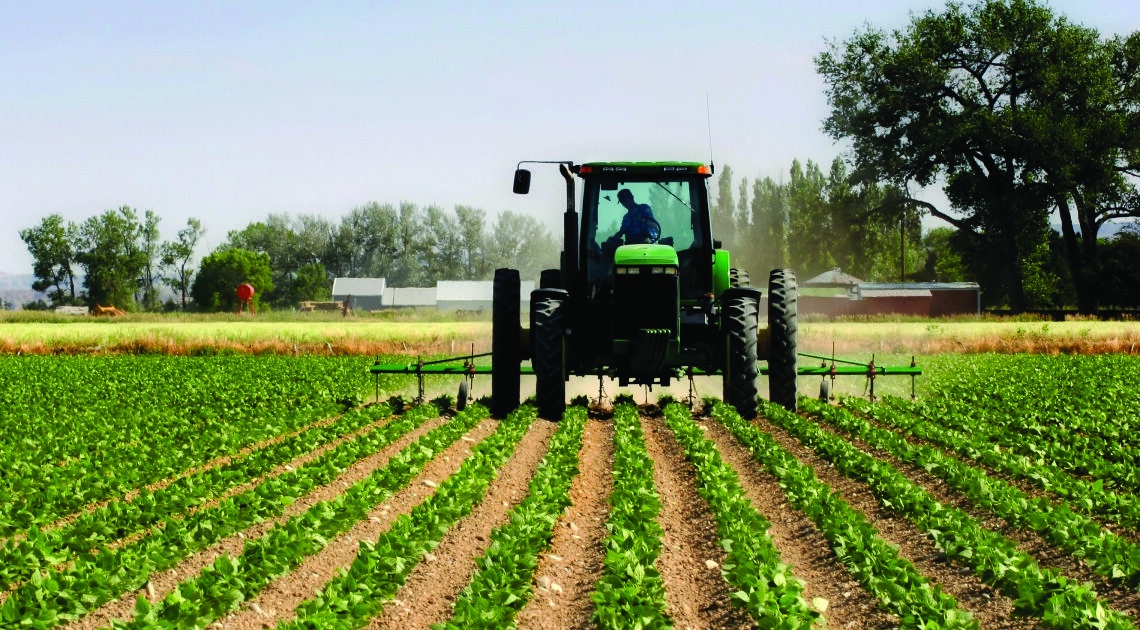
Albanian farmers face higher production costs than their competitors in the region, as a result of heavy dependence on imported inputs, low financial support from the state, labor shortages and weaknesses in agricultural infrastructure.
The combination of these factors makes domestic output more expensive and weakens its competitiveness against products coming from Serbia, North Macedonia and other Western Balkan countries.
According to reports by the UN Food and Agriculture Organization (FAO), small farmers in the region, particularly in Albania, spend on average around 28% of the total value of production just on purchasing seeds, chemical fertilizers and pesticides.
Most of these inputs are imported, so farmers’ costs are directly affected by international prices, the exchange rate and transport costs.
For small farms, which dominate the structure of Albanian agriculture, the opportunities to buy in bulk and negotiate more favorable prices are limited.
One of the main reasons Albanian agriculture is in a more disadvantaged position is the low level of direct subsidies.
Data reported over the years shows that other countries in the region have provided on average over 53 euros of direct support per hectare, while in Albania this support has historically been calculated at around 3 euros per hectare.
The difference is roughly 18-fold. This gap means the Albanian farmer must cover from his own income a much larger share of the costs.
In neighboring countries, subsidies cover part of the expenses for inputs, fuel, agricultural machinery or investments, enabling the product to reach the market at a more competitive price.
As a result, Albanian products face competition not only from European Union output but also from agricultural goods of regional countries with more stable support policies.
Direct costs are compounded by losses stemming from climate change, droughts and inadequate irrigation infrastructure.
The FAO report on the state of food and agriculture notes that the hidden costs of the agricultural system, including environmental damage and losses caused by climate change, weigh more heavily on countries with more limited income and investment capacity.
In Albania and other Western Balkan countries, the lack of modern irrigation systems increases production’s dependence on weather conditions.
A dry season can significantly lower yields, while expenses for tilling the land, seeds, fertilizers and pesticides remain the same. This further raises the cost per unit of output and the farmer’s financial risk.
Another strong pressure comes from the labor shortage. Emigration and the departure of the population from rural areas have reduced the number of workers available in agriculture.
The shortage is particularly acute during planting and harvest periods, when demand for workers rises within a short time. Farmers are forced to offer higher daily wages, while in many cases the crop is not collected on time or part of it remains in the fields.
Dependence on imported inputs, subsidies far lower than in neighboring countries, limited yields, irrigation problems and rising labor costs are creating a multiple burden for Albanian agriculture.
Without increased support and investment that lowers the cost per unit, domestic farmers risk losing further ground to imports and to the region’s subsidized producers.

Komentet
Bëhu i pari që komenton!
Lini një Koment të Ri
Për t'u përgjigjur një komenti specifik, kliko butonin 💬 Përgjigju poshtë atij komenti.