Albania, one of Europe’s fastest-growing destinations in 2026
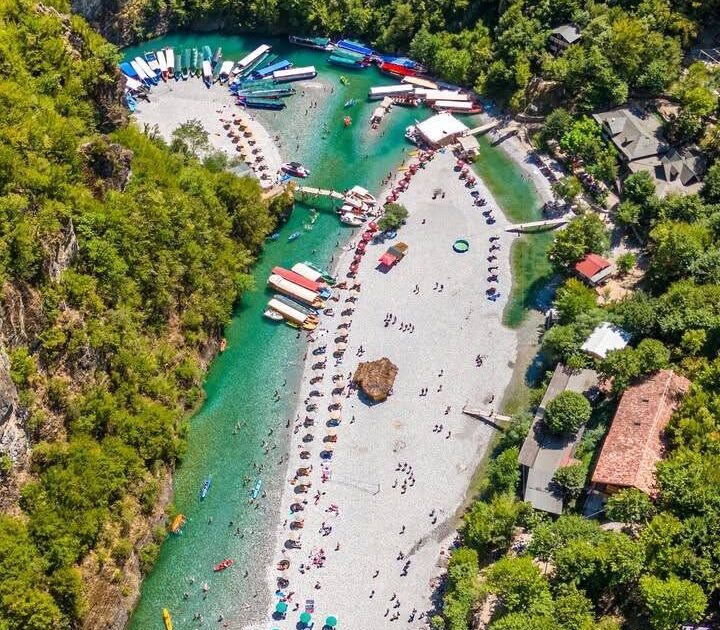
Albania is turning into one of Europe’s fastest-growing nature tourism destinations in 2026, as more and more tourists choose mountain villages, national parks, coastal landscapes, rivers and protected natural areas instead of traditional city breaks, writes Travel and Tour World.
The combination of the Albanian Alps, the Ionian coast, protected landscapes and untouched nature is attracting a growing number of adventurers, hiking enthusiasts, travelers interested in ecotourism and visitors seeking experiences in nature.
The growth of tourism is also reflected in accommodation statistics and visitor trends in the country, while the Institute of Statistics, INSTAT, continues to monitor the expansion of tourism activity, demand for accommodation structures and international visitor flows.
Why are Albania’s natural destinations becoming a magnet for tourists?
Albania is experiencing a significant shift in its tourism profile. If the country was previously known mainly for affordable Mediterranean beaches, in 2026 tourists are increasingly discovering mountains, rivers, forests and protected landscapes.
Growing demand for nature experiences has put natural destinations at the center of the country’s tourism development.
One of Albania’s main advantages is the unusual combination of alpine landscapes with coastal beauty. Within a relatively small territory, visitors can go from the snow-capped peaks of the Albanian Alps to the blue-water beaches of the Ionian Sea.
This variety is enabling Albania to compete with well-known European nature tourism destinations.
International tourists are increasingly looking for destinations that offer adventure, sustainability and fewer crowds. Albania meets these demands through destinations such as Theth National Park, Valbona Valley National Park and the wild Vjosa river landscape.
These areas offer opportunities for trekking, wildlife watching, rafting and getting to know local culture.
The growth of nature tourism is also supporting small communities. Mountain villages, which once relied mainly on agriculture, are benefiting from guesthouses, local guides, restaurants and adventure tourism businesses.
This transformation is creating new economic opportunities, while also encouraging the protection of natural resources.
Which Albanian cities are leading the growth of mountain tourism?
Northern Albania is turning into one of the main nature tourism regions, with Shkodra serving as one of the main gateways to some of Europe’s most spectacular mountain landscapes.
The city offers access to the Albanian Alps, including the internationally known destinations of Theth and Valbona.
Shkodra’s strategic position allows visitors to first explore Lake Shkodra, one of the largest lakes in Southern Europe, before traveling to the deep mountain valleys.
The combination of cultural heritage with natural attractions is turning the city into an important base for longer adventure trips.
Theth has become one of the strongest symbols of nature and adventure tourism in Albania.
Located within Theth National Park, the destination attracts tourists through dramatic peaks, traditional stone houses, waterfalls and panoramic trails.
The village is surrounded by the rugged landscapes of the Albanian Alps and has become a favorite destination for trekking enthusiasts from different European countries.
Valbona is another important tourist spot in the north. Located in the Valbona Valley National Park, it offers spectacular mountain views, clear rivers and trails that connect visitors with alpine landscapes.
The famous Valbona–Theth hiking trail has become one of the best-known adventure experiences in Albania.
These destinations are attracting tourists seeking authentic experiences and not just traditional tourist visits. Instead of staying only in cities, tourists are increasingly choosing multi-day trips through villages, forests and mountain trails.
How are rivers, forests and national parks attracting adventure tourists?
Beyond the northern mountains, Albania’s rivers and protected areas are turning into important tourist attractions.
One of the most prominent examples is the Vjosa river region near Përmet, which has gained international attention for its unique river ecosystem and opportunities for outdoor activities.
Përmet is developing as a nature tourism hub thanks to access to the Vjosa river, mountain landscapes and the Hotova-Dangëlli Fir National Park.
Visitors are drawn by rafting, kayaking, hiking trails and thermal springs. The destination offers a quieter form of tourism, focused on nature, wellness and local culture.
The Vjosa landscape represents a different tourism model from traditional coastal destinations. Instead of large resorts and overcrowded beaches, the region promotes environmentally conscious tourism, based on outdoor activities and ecosystem preservation.
Central Albania is also benefiting from the growth of nature tourism. Tirana, although known mainly as the country’s capital, is becoming an important gateway to outdoor activities thanks to its proximity to Mount Dajti.
Visitors can combine a city stay with mountain hiking, panoramic views and exploration of rural areas.
Berat is also benefiting from this trend. In addition to its historic architecture, the surrounding landscapes, including the Osum canyon and Mount Tomorr, are attracting adventure tourists interested in hiking and exploration.
The expansion of nature tourism shows that the Albanian tourism economy is becoming more geographically balanced. Growth is no longer concentrated only along the coast, but is also extending to the interior of the country.
Why are Albanian coastal cities becoming known for nature-linked holidays?
The Albanian coast remains one of the main attractions, but tourists are increasingly looking beyond traditional beach tourism.
Cities like Vlora, Himara and Saranda are attracting visitors seeking a combination of sea, mountains and adventure in nature.
Vlora has become an important gateway to nature tourism due to its connection with Llogara National Park and the Karaburun Peninsula.
The area combines dramatic mountain landscapes with views over the Ionian Sea, creating opportunities for hiking, sailing, diving and wildlife watching.
Himara is also gaining popularity among tourists seeking quieter coastal experiences. The destination offers beautiful beaches, coastal trails and access to mountain villages.
Saranda continues to attract international visitors due to its coastline and proximity to natural attractions such as the Blue Eye and the protected areas of southern Albania.
This combination of sea and mountains gives Albania a competitive advantage. Many European destinations offer either coastal or mountain tourism, while Albania allows visitors to experience both within the same trip.
Which lesser-known destinations could become the tourism stars of 2026?
While Theth and Valbona receive the most international attention, some smaller destinations are emerging as tourist spots with great potential.
Korça and Pogradec are gaining more and more attention for mountain landscapes, lakes and cultural riches.
Korça attracts visitors seeking a cooler climate, rural experiences and outdoor activities. The Morava mountains and surrounding villages offer opportunities for hiking, cycling and exploring traditional landscapes.
Pogradec benefits from its position near Lake Ohrid, one of the oldest and biologically most important lakes in Europe.
The destination attracts tourists interested in quiet lakeside experiences, nature walks and sustainable tourism.
These destinations are important because they can help develop tourism throughout the year. While coastal areas experience high demand in summer, mountain and lake destinations can attract visitors in spring, autumn and winter.
The development of lesser-known destinations also helps Albania avoid over-dependence on a few crowded tourist areas and distribute the economic benefits of tourism more evenly.
Can Albania sustain the growth of nature tourism while protecting landscapes?
Albania’s growing popularity brings both opportunities and challenges. The rapid increase of visitors in sensitive areas, such as Theth, shows the need for careful tourism management.
Sustainable development will be essential to preserving Albania’s natural appeal. Authorities and tourism operators are increasingly focusing on responsible travel practices, infrastructure improvement and environmental protection.
The future of the Albanian tourism industry will depend on the ability to balance the growth in visitor numbers with nature conservation.
Protecting forests, rivers and mountain ecosystems will be essential for these destinations to remain attractive for future generations.
In 2026, Albania is at a turning point in its tourism transformation. Its natural riches are no longer hidden secrets, but have become important international attractions.
The challenge ahead is for tourism growth to strengthen local communities, while preserving the landscapes that brought tourists to Albania.
The transformation of Albanian tourism in 2026 is increasingly driven by nature. Destinations such as Theth, Valbona, Shkodra, Përmet, Vlora, Himara, Korça and Pogradec are attracting tourists through mountains, rivers, lakes and coastal landscapes.
Albania’s ability to combine adventure, authenticity and competitive prices is helping the country emerge as one of the most promising nature tourism destinations in Europe.
As tourists worldwide increasingly seek meaningful experiences in nature, Albania’s protected landscapes and rural communities are becoming one of the main reasons to visit the country.
The future of Albanian tourism will depend on the ability to protect these natural riches, while creating sustainable opportunities for the economic development of local communities.



Komentet
Bëhu i pari që komenton!
Lini një Koment të Ri
Për t'u përgjigjur një komenti specifik, kliko butonin 💬 Përgjigju poshtë atij komenti.