
Arsić: Serbia’s economic growth above 3% this year, but one-off payments prolong inflation
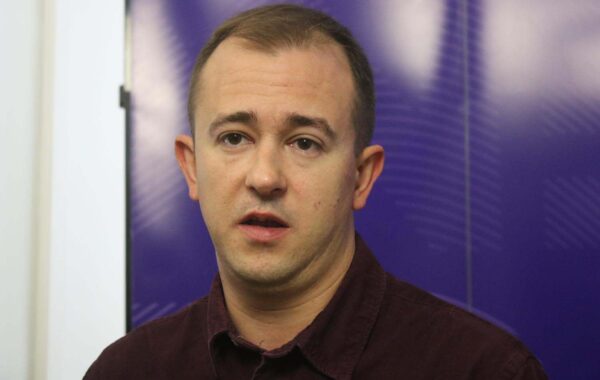
Serbia’s economy posted solid growth this year, with annual GDP growth accelerating to 3.8 percent in the second quarter — a pace above the European average, though not among the fastest in the region. Slovenia leads with 5 percent, followed by Montenegro with 4.8 percent, North Macedonia with 4.3 percent and Lithuania with 4.1 percent. These are the key findings of the quarterly “Quarterly Monitor” report, presented today by Professor Milojko Arsić of the Faculty of Economics in Belgrade.
According to Arsić, growth was driven mainly by construction, fueled by state investment in infrastructure — particularly linked to the Expo — as well as agriculture, which benefited from a good harvest compared to the 2025 drought. A modest recovery in industry also contributed.
However, the economist warns that structural problems hide behind the positive figures: falling employment, labor force exiting the job market, wages growing faster than productivity, weak foreign investment, the external deficit, and the state’s excessive reliance on consumption and debt. “Fiscal expansion prolongs inflation,” Arsić said, referring to one-off payments to citizens ahead of the elections, which will keep interest rates high for longer — and thus curb investment.
With the budget revision, the deficit rose from 3 to 3.5 percent of GDP, precisely because of these one-off pre-election payments; without the revision, the deficit would have been 2–2.5 percent. Unemployment meanwhile fell to a record low of 7.2 percent, but not thanks to new jobs — the number of employed has been falling for several quarters, while the drop in unemployment comes from the labor force moving into “inactivity” and from demographic trends.
Arsić expects inflation to accelerate again: averaging around 3.3 percent for 2026, while reaching around 4.5 percent by year-end. His forecast for Serbia’s economic growth this year is slightly above 3 percent. Meanwhile, the National Bank of Serbia kept its benchmark interest rate unchanged at 5.75 percent.
Source: Danas


Komentet
Bëhu i pari që komenton!
Lini një Koment të Ri
Për t'u përgjigjur një komenti specifik, kliko butonin 💬 Përgjigju poshtë atij komenti.