
Brazilians vote today in the first round of the presidential elections, with the “Trump factor” at the centre
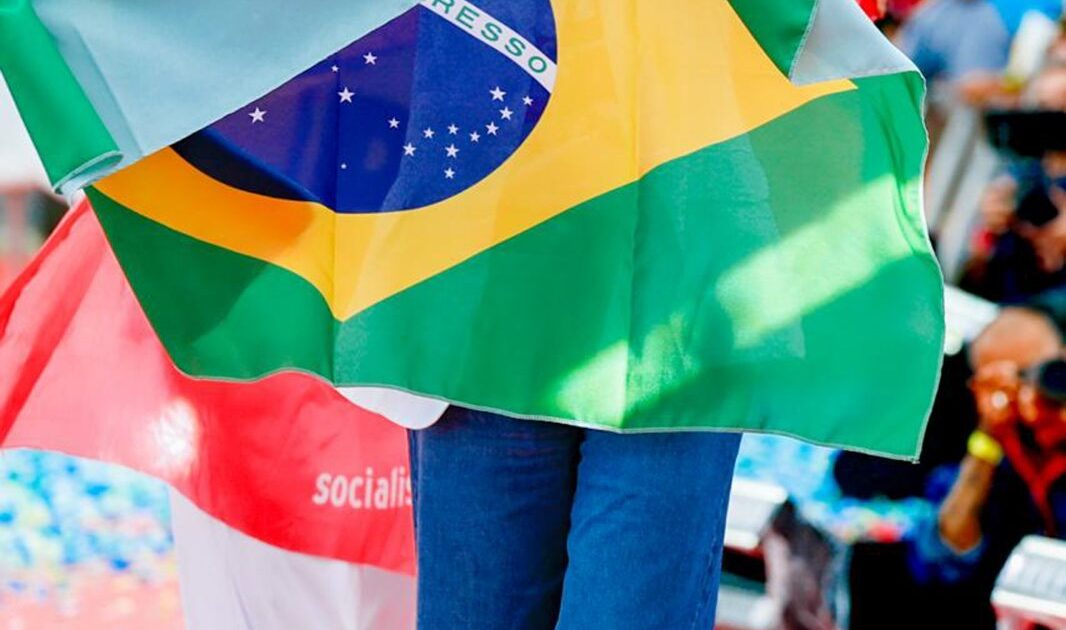
Brazilians go to the polls today in the first round of the presidential elections, after a campaign dominated by corruption scandals, economic anxiety and accusations of U.S. interference in the race between incumbent president Luiz Inácio Lula da Silva and senator Flávio Bolsonaro.
Lula, 80, is seeking a fourth term, while Flávio Bolsonaro, the 45-year-old son of former president Jair Bolsonaro, hopes to return his father’s right-wing movement to power, as Reuters reports. If no candidate takes over 50% of the valid votes, the two will face each other in the 25 October runoff — and polls show them roughly neck and neck. On the same day, voters also elect all 513 deputies of the lower chamber and two-thirds of the Senate.
The “Trump factor” has strongly coloured the campaign. Trump called Jair Bolsonaro’s trial a “witch hunt” and last year imposed 50% tariffs on Brazil, explicitly linking them to Bolsonaro’s trial — after lobbying by the Bolsonaro family to pressure Brazil’s Supreme Court to drop the charges. This year, Trump imposed new tariffs over alleged unfair trade practices, and Lula presented the move as an attempt to influence the elections, according to Reuters.
Lula’s allies warn that the Trump administration could refuse to recognise the election result if he wins — citing a failed attempt to send U.S. officials to Brazil to “discuss electoral integrity”. Reuters reported on Wednesday that Brazilian intelligence services briefed a French and German delegation on alleged American and Russian interference ahead of the elections; Washington denied the accusations. Trump has not officially endorsed any candidate, but he received Flávio Bolsonaro at the White House and praised him publicly.
The senator has vowed amnesty for his father, who is serving a sentence of more than 27 years for the coup plot following his narrow defeat in the 2022 elections. He has also promised closer ties with the U.S. and Israel and welcomed the Trump administration’s decision to designate Brazil’s large gangs as terrorist groups — a move Lula opposed. Also at stake is U.S. access to Brazil’s large reserves of critical minerals, key to Washington’s effort to reduce dependence on China, as Reuters writes.
On the economic front, despite falling inequality and unemployment, Lula has struggled to win over voters facing high living costs, heavy household debt and the threat of street crime. Public debt above 82% of GDP has raised fiscal concerns. Lula banned online betting, expanded welfare and proposed new debt relief for families, while Flávio Bolsonaro aims to capitalise on cost-of-living concerns. Goldman Sachs’ chief Latin America economist, Alberto Ramos, assessed that Lula would maintain the state-led model, while Bolsonaro would pursue a more market-friendly agenda, with spending cuts and privatisations.
The campaign has been overshadowed by the Banco Master scandal: banker Daniel Vorcaro was arrested this year, accused of a multi-billion-dollar fraud scheme. The investigation has probed his links to Supreme Court justice Alexandre de Moraes and to Flávio Bolsonaro, who is being investigated by the federal police for money laundering linked to the case — the senator denies wrongdoing, although he acknowledged having raised millions of dollars from Vorcaro to shoot a film about his father. Lula himself is also trying to distance himself from a federal police investigation into his son over alleged influence peddling, which they deny.
Komentet
Bëhu i pari që komenton!
Lini një Koment të Ri
Për t'u përgjigjur një komenti specifik, kliko butonin 💬 Përgjigju poshtë atij komenti.