
Euro depreciation has nothing to do with money laundering! The European currency’s fall stems from a stronger lek and economy
The euro’s weakening against the Albanian currency is directly influenced by economic developments such as tourist inflows, remittances and foreign investment.
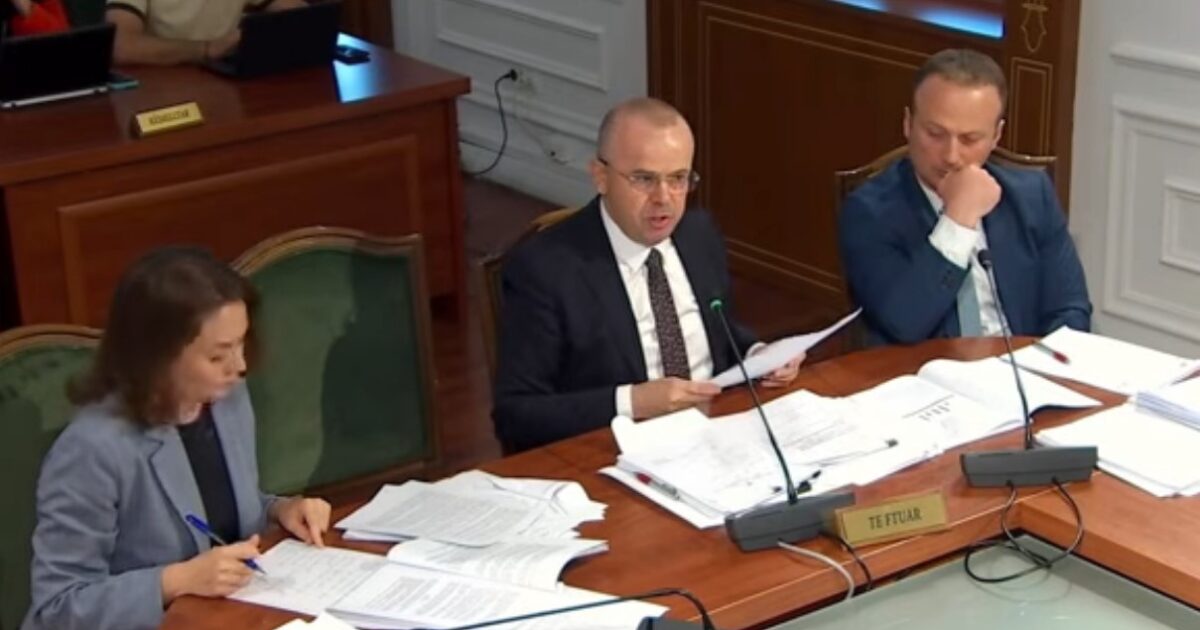
The head of the Financial Intelligence Agency explained to the Laws Committee that the euro’s weakening is not linked to money laundering, but to genuine economic factors.
One euro is currently trading at over 92 lek, regaining a point after the end of the tourist season.
Albania has taken steps forward in the fight against money laundering. During his report to the Laws Committee, Ervin Koçi, head of the Financial Intelligence Agency, stressed the international reports of the FATF and the EU.
Albanian institutions are working to detect and prevent money-laundering cases. In 2025, 269 cases were recorded and handled by law-enforcement structures, more than 100 of them linked to the construction sector.
The Laws Committee approved amendments to the law on preventing money laundering, which add obligations for banks to report suspicious transactions.
People considered higher risk will be subject to stricter checks by banks, while procedures will be simpler for low-risk citizens.
These tougher rules are an obligation for Albania as part of EU integration.
Komentet
Bëhu i pari që komenton!
Lini një Koment të Ri
Për t'u përgjigjur një komenti specifik, kliko butonin 💬 Përgjigju poshtë atij komenti.