
France: EU’s ‘Made in Europe’ law should not include the United Kingdom
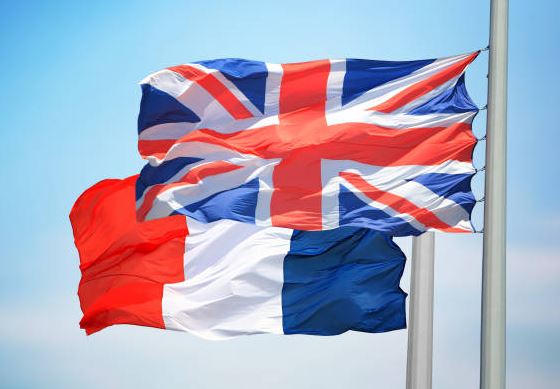
France is leading a push to exclude the United Kingdom from the EU’s “Made in Europe” policy, which could see British companies lose out in the race to supply European countries with low-carbon technology and electric cars.
The plans were raised by Andy Burnham when he met European Commission President Ursula von der Leyen on the sidelines of the UN General Assembly earlier this week.
The policy, still under negotiation, aims to protect European companies from intense and “unfair” state-subsidized competition from China. But the government fears British companies risk becoming collateral damage, and resolving the issue has become one of Burnham’s top priorities for the EU–UK relationship.
A key EU proposal is the Industrial Accelerator Act, which would require authorities spending public money — awarding subsidies or public contracts — to favor European products in sectors such as renewable technologies and electric cars.
But within the EU there is fierce debate over how to define “made in Europe” and how far to include countries such as the United Kingdom, Canada and Japan.
At a meeting of EU industry ministers in Brussels on Thursday, France pushed for a narrow definition, starting with the EU27.
French Minister for Europe Benjamin Haddad, speaking in London, had little reassurance to offer the Burnham government. Asked about the risks of shutting out like-minded EU trading partners, Haddad said: “Ultimately, if you are not part of the single market and if you do not contribute to the single market’s financial capacity, you do not get the same kind of protection.”
Germany wants a broader “Made with Europe” policy that would include the United Kingdom and other allies. Germany’s Economic Affairs Minister Katherina Reiche told her counterparts: “We must reduce one-sided and critical dependencies, but we must not isolate ourselves from the rest of the world. This means partner countries should be included in the union’s origin principle, in general and on condition of reciprocity.”
This stance has broad support from the Nordic countries, which traditionally favor open trade.

Komentet
Bëhu i pari që komenton!
Lini një Koment të Ri
Për t'u përgjigjur një komenti specifik, kliko butonin 💬 Përgjigju poshtë atij komenti.