
Iran awaits the U.S. response today: Qatar to convey new proposals to Washington to end the war

Iran expects during the day the United States’ response to new proposals to end the seven-month war, which Qatar will convey to Washington, as Reuters reports. Iranian Foreign Minister Abbas Araghchi, who stayed in New York after the UN General Assembly, said Tehran had conveyed its ideas through Qatari mediators and now awaits the return of the final response from the American side.
On Monday, American and Iranian officials held separate indirect talks with the mediators, according to CNN, reviving efforts to end the conflict. Araghchi met with the Qatari mediators in New York and said he expects Washington’s response by Tuesday: “We talked about ideas and how to find solutions to meet Iran’s conditions,” he said, adding that he plans to return to Tehran as soon as the response arrives. “Whenever the Qataris have a response, they know how to bring it to us,” the Iranian chief diplomat said.
The Iranian proposal, first presented on the sidelines of the General Assembly last week, asks the U.S. for a four-to-five-day deadline for the release of frozen Iranian funds, the lifting of oil sanctions, and the end of the naval blockade of Iranian ports, with nuclear talks to begin within seven days; Tehran has linked any reopening of the Strait of Hormuz to these steps. President Donald Trump called the plan “unacceptable” on Sunday, saying Iran is seeking a quick deal because of economic pressure; on Monday, at the White House, he said American officials had spoken separately with the mediators, adding: “We will win. It will go quite fast.”
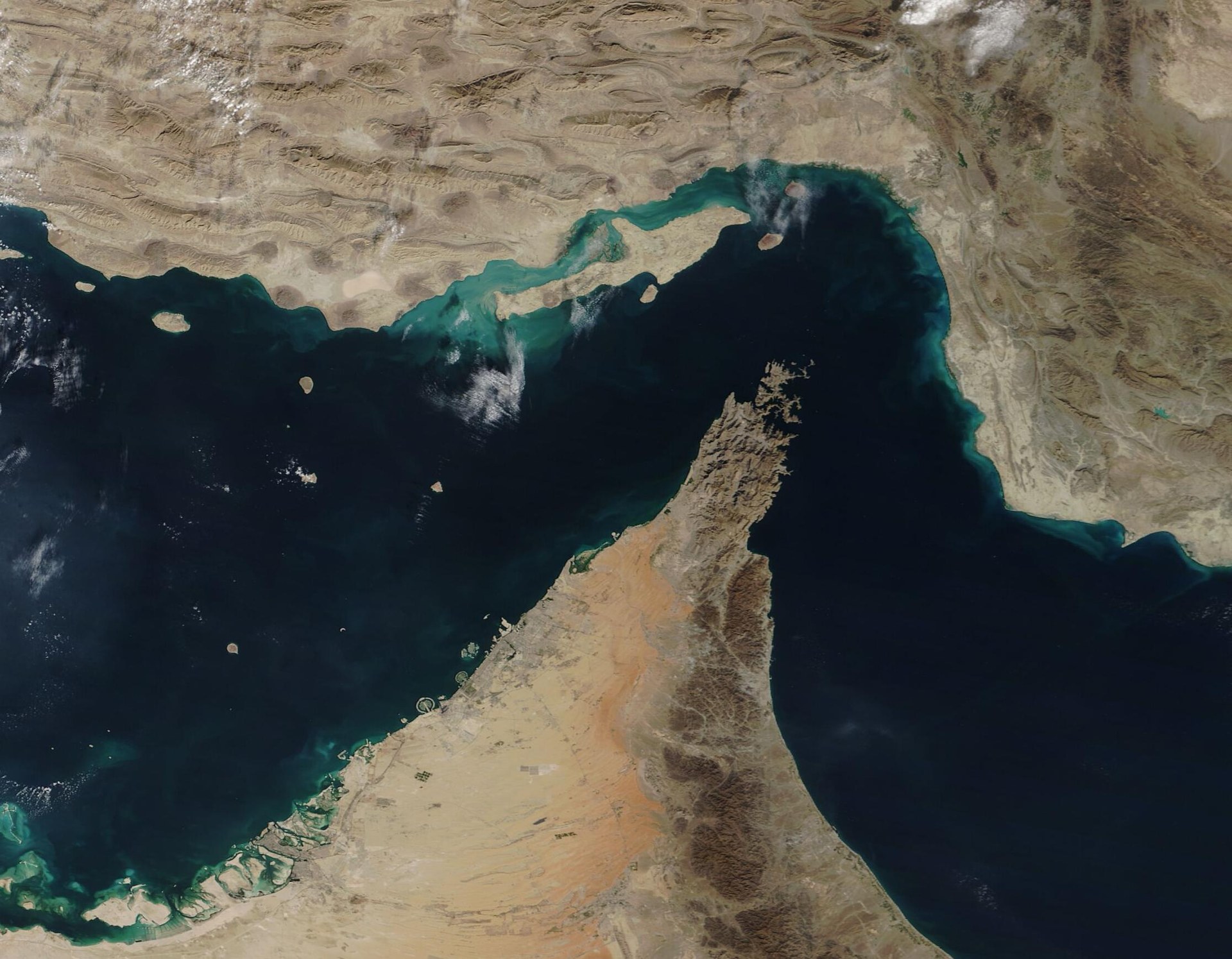
But although dialogue continues, pessimism is growing. As Al Jazeera reports, Iranian officials doubt a ceasefire can be reached before the U.S. midterm elections, while differences remain wide over what an agreement should look like. President Trump also appears in no hurry toward a solution, as his administration continues to believe in pressure tactics.
The economic backdrop makes the urgency even greater. According to data from the company Kpler, Middle East oil exports recovered this month to about 80% of pre-conflict levels — the highest since the war began in February — while vessel transits through Hormuz remain far from normal: only about 10.6 million barrels per day on Saturday, against a pre-war baseline of 17.1 million. Meanwhile, U.S. retail oil prices stand near historic records and the administration is again considering a ban on fuel exports.
Komentet
Bëhu i pari që komenton!
Lini një Koment të Ri
Për t'u përgjigjur një komenti specifik, kliko butonin 💬 Përgjigju poshtë atij komenti.