
Is Construction Approaching the Down Cycle Again?
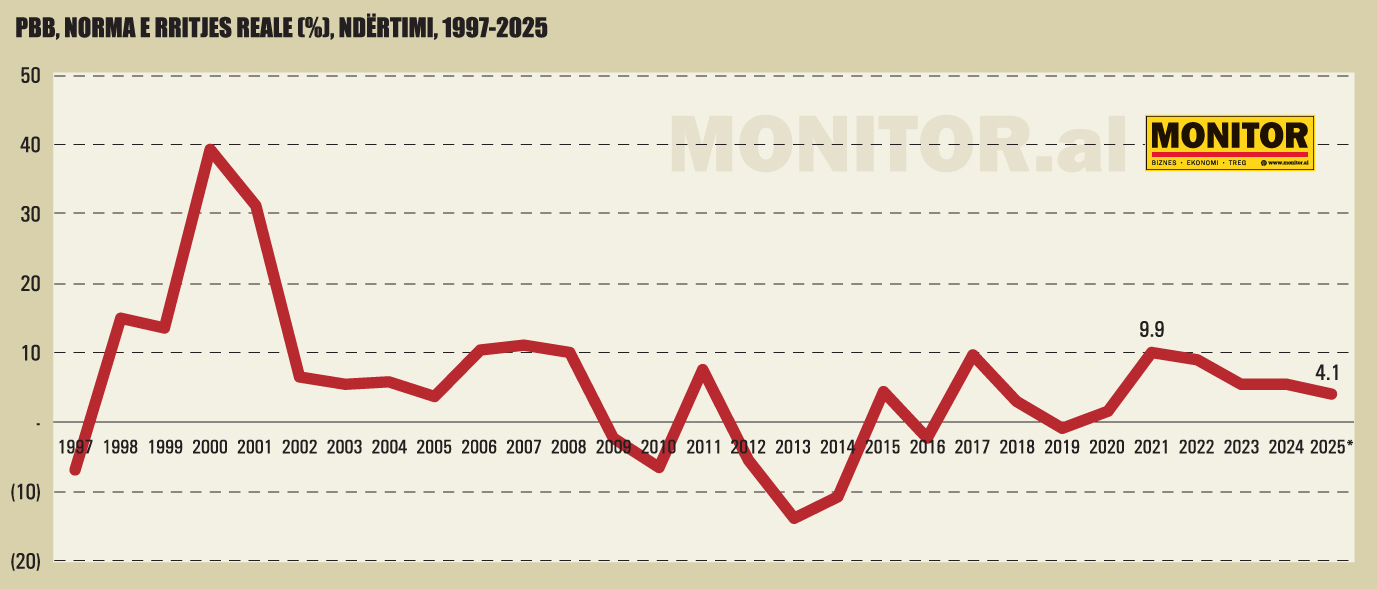
Since the early 1990s, construction has gone through several cyclical phases. The sector’s largest expansion was until 2000, when population displacement, combined with changing lifestyles and rising incomes, led to strong demand for residential projects.
In that year, the construction sector expanded by 40%, according to INSTAT data. The sector then gradually slowed, declining in 2010 and, after a slight recovery, recording negative growth in 2013-2014.
After 2016, a new growth cycle began, which has been the most controversial so far, for several key reasons: first, for the opportunity it provided to channel informal money; and second, for the model of mass construction, unaccompanied by the necessary infrastructure and exploiting natural resources and space, without learning from the mistakes made with the first wave.
Third, there has been much debate over whether demand is high, in a shrinking population, especially in the capital, while on the coast a factor has also been foreign buyers.
Fourth, prices are becoming increasingly expensive relative to purchasing power, making Tirana the fourth most expensive capital in Europe, after Moscow, Lisbon and Prague, according to Numbeo, a global information unit.
In 2021-2023, the sector grew by 7-10% per year. Although growth rates are slower than in the 2000s, in value terms they are much higher due to more expensive prices. Over the past two years, signs of a slowdown have been emerging. In 2025, growth fell to 4%, also marking the lowest expansion since the pandemic period.
It is unlikely that in the coming years the sector will see such high expansion rates, if it does not even enter a decline. The interventions of SPAK, which in mid-2026 struck several criminal groups proven to be laundering money in construction, combined with the cyclical maturation of the sector, are factors expected to throw sand into the sector’s gears.
On the other hand, forecasting is becoming difficult due to the lack of information on permit areas for high-rise constructions issued by the Territorial Regulation Council, which INSTAT has not reported since the beginning of 2025.
Indirect data, from the strong growth in revenues from the infrastructure construction tax in the first half of 2026, shows that permits continue to be issued, but how much of it will materialize, time will tell.
Source: INSTAT
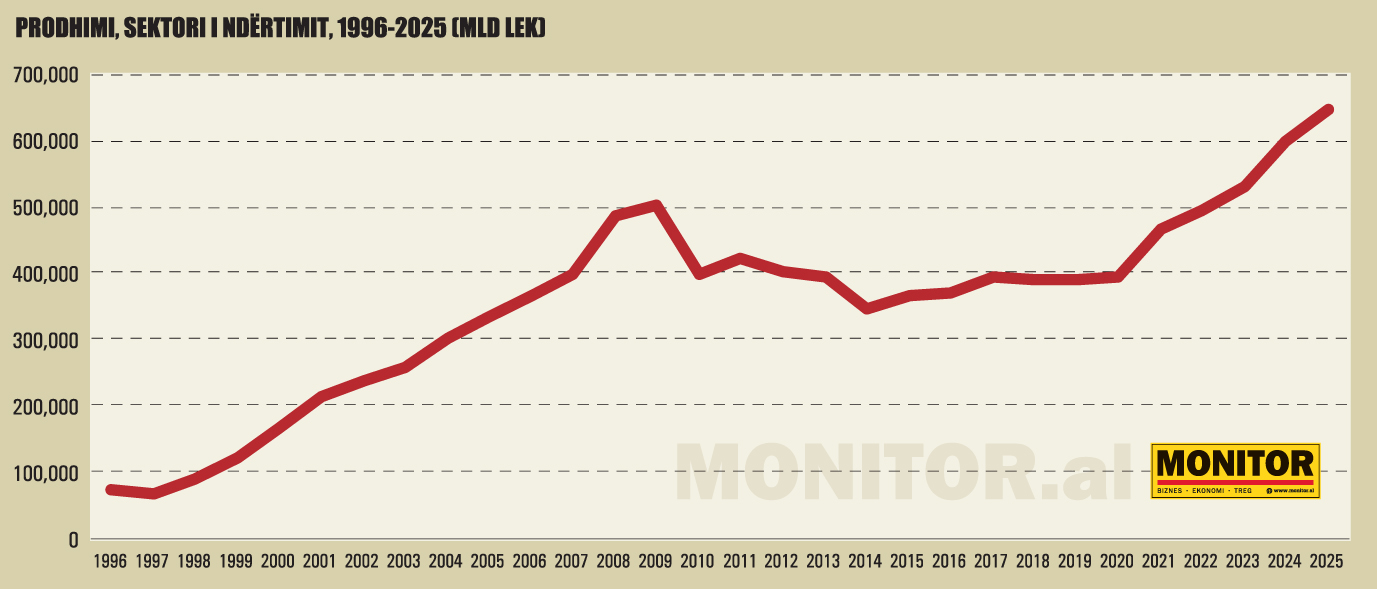
In 2025, construction circulated around 646 billion lek, or around 6.6 billion euro, according to INSTAT data, reaching a record level. This figure measures the volume and overall value of the activity carried out by the sector, including housing and other construction, infrastructure works and other works.
This is the highest volume of works ever recorded. Based on Ministry of Finance data, capital and operational maintenance expenditures in 2025 were around 210 billion lek, contributing around one third of the country’s construction volume.
Source: INSTAT
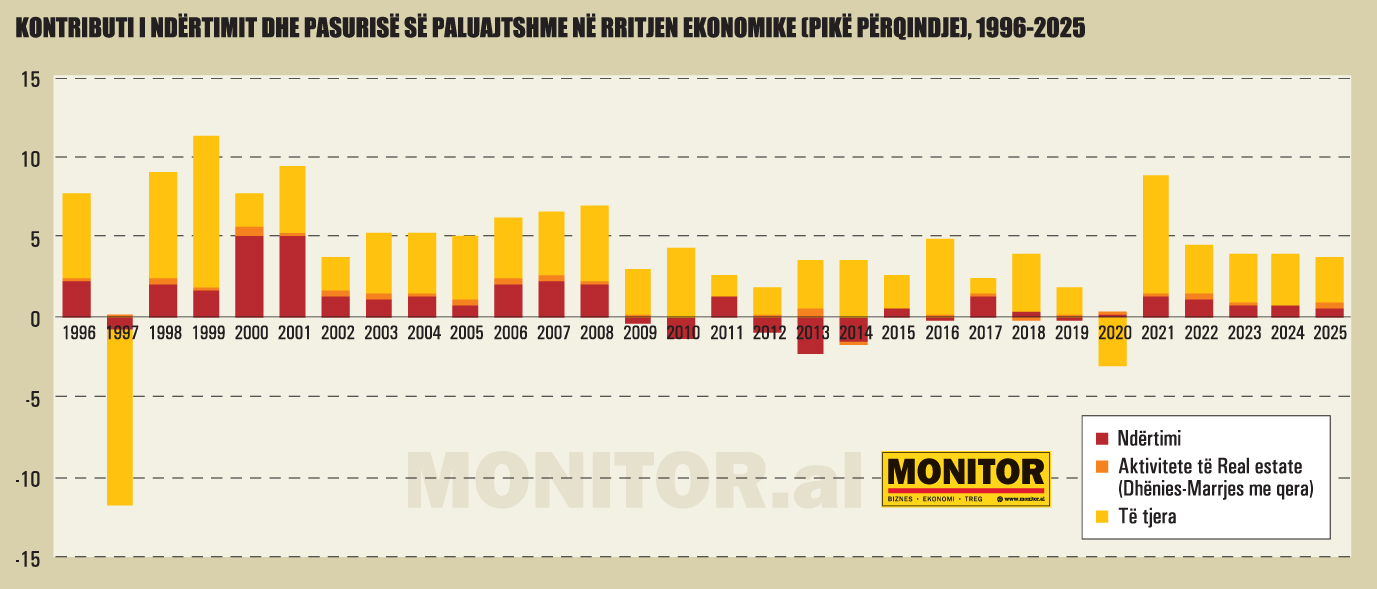
The contribution of construction and real estate activity to the country’s economic growth has fallen in the past two years, signaling a shrinking of its role.
In 2021, construction contributed 1.29 percentage points to economic growth, while in 2025 the sector had the lowest effect in the past 5 years, with 0.5 percentage points. While other sectors of the real economy, especially agriculture and construction, are in negative territory, construction’s contribution remains considerable.
The development of residential projects, public investments, mainly in road construction, tourism, which is driving both the construction of hotels, residential complexes and the purchase of real estate, mainly by foreigners, are the main factors influencing the trend of construction and real estate.
Source: INSTAT
Source: INSTAT
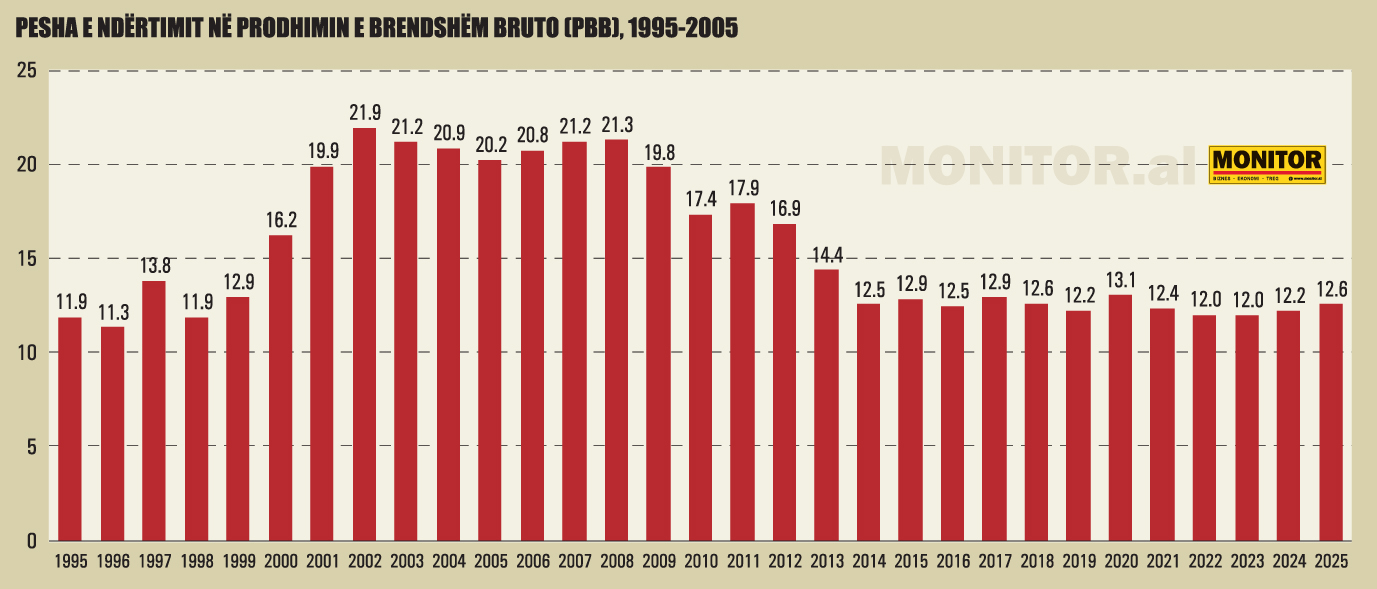
In relation to Gross Domestic Product, construction accounts for around 12.6% of the economy, far from the golden years of 2001-2009, when this weight reached up to 19%, due to faster growth in other sectors.
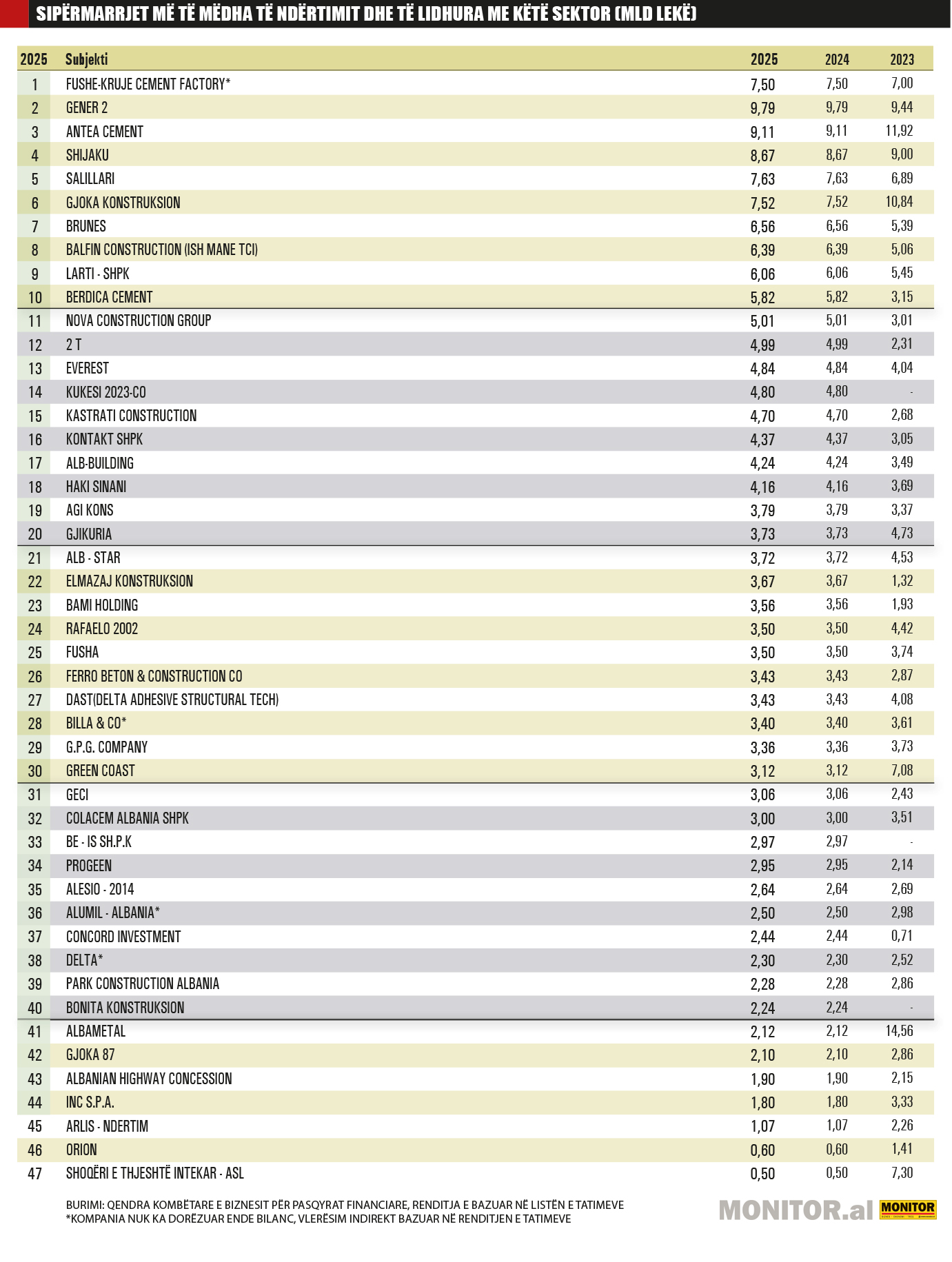
The number of construction companies and supporting industry companies in the “Monitor 200” list for 2025 was 37, down from 39 in 2024, and 43 in 2023. These companies circulated around 174 billion lek in 2025, down 4% compared to the previous year, accounting for around 27% of construction output, when compared with other total sector data from INSTAT.
Construction entities have large fluctuations in activity, depending on the engineering projects they are involved in, or the apartment sales cycle.
“Gener 2”, with activity in engineering, residential construction and shopping center management, after a strong revenue increase of 73% in 2024, recorded a decline a year later.
The company’s annual turnover in 2025 was 9.8 billion lek, shrinking by 40%, still retaining the first-place position as the largest construction company in the country for both engineering and residential works. The 2025 performance was mainly influenced by construction performance, which is dependent on the sales cycle.
This item shrank from 14.8 billion in 2024 to 8.2 billion lek in 2025, mainly due to the decline in “construction sales to third parties”.
The company had expanded into residential construction in recent years, through the development of several complexes near the Artificial Lake area in the capital. Even in 2025, according to the annual report, around 84% of revenues came from construction activity and the sale of residential buildings, while the rest came from rents and services in business centers (“Toptani” and “Coin”).
Revenues from business centers, clothing rentals and commissions were around 1.6 billion lek in 2025, up 7% compared to a year earlier. The company declared an average number of employees of 751 in 2025, down from 869 a year earlier.
“Shijaku” was in 2025 also one of the largest construction enterprises in the country. Its revenues were around 8.7 billion lek, up 5.5%, climbing to second place. The company has expanded in recent years into construction, hospitality and hydropower plants, as well as the processing of construction materials. Part of the company’s activity is in scrap sales.
According to the activity report, “during 2025, revenues from export sales of goods increased significantly compared to the previous year. This performance is linked to the expansion of activity, the increase of trade opportunities and more efficient use of resources. The trade activity included the export of industrial waste, mainly iron scrap, while in the same period construction iron was imported.
Exports reached around 1.39 billion lek in 2025, up from 526.9 million lek in 2024, marking an increase of 164.6%. Imports also rose, reaching around 5.04 billion lek in 2025, up from 3.19 billion lek a year earlier, or 58.2% more.” The number of employees was 215.
“Salillari” reported annual turnover of around 7.6 billion lek in 2025, shrinking 2.7% year-on-year, climbing to third place among builders of engineering works.
The company’s main activity is oriented toward the construction of road infrastructure works, won through public procurement or from other market operators, as well as the production of construction materials and the provision of other services as secondary activities.
In 2025, revenues from activity in Albania fell by 12.5% (-852 million lek), but this contraction was almost entirely offset by the sale of works and services in the Kosovo branch (+675 million lek). The company had 1072 employees in 2025.
“Gjoka Konstruksion”, which also operates as a subcontractor of “Gjoka 87” in the concession for the construction of the Arbri Road, dropped to the fourth largest in the civil, industrial and residential construction segment in 2025, from second in 2024. The company reported revenues of 7.5 billion lek in 2025, shrinking by almost 30% year-on-year, after the completion of works in the Llogara tunnel.
According to the activity report, for 2025 and beyond, the company “Gjoka Konstruksion” has worked on implementing the contract for the improvement, construction, operation and maintenance of the Arbri Road. Other key projects worked on in 2025 include: the expansion of the Elbasan–Qafëthanë road; the rehabilitation of the Fier–Patosi Turn–Fratar road; the construction of the Tirana Outer Ring Road, Lot 6; the traffic monitoring center, Phase 2, etc.
“During 2025, the company continued the implementation of key projects in the field of infrastructure and construction, focusing on fulfilling contractual commitments and achieving operational objectives. The performance of activity and revenues was influenced by the postponement of the start of several planned projects, for reasons that did not depend on the company.
These projects are expected to begin during the coming year and have a positive impact on the expansion of activity and revenue growth,” the annual report states. The company had 583 employees in 2025.
“2T”, which operates in the construction of infrastructure works such as roads, sewerage, reconstructions, slightly increased revenues by 2.6%, to nearly 5 billion lek, after doubling the previous year. According to the annual report, “this growth is the result of new contracts won and the intensification of works in various construction sites.”
For 2026, the company aims to maintain profit and revenue stability, expanding its range of services and investing in technology and human resources, the report emphasizes. The company reported 344 employees.
“Alb Building” declared revenues of 4.2 billion lek, expanding by 4.5%. The company is involved in several projects such as the Qukës–Qafë-Plloçë road segment, the expansion of the Tirana–Durrës highway, phase III – Vorë, as well as other projects for bridge construction, road rehabilitation, landslide protection, etc.
During the year, the company carried out intensive activity in the construction part, according to published tables of works being performed. The financial statements are consolidated, also including the activity of owned companies, “Hydro Seta” (74.5%), “Alb-Energy” (61.2%), which produce energy based on concession contracts, and “Alb-BM” (50%).
Construction activity brought 75% of revenues, energy sales 24% and the remaining 1% from other income from ordinary activity.
“Gjikuria” reported revenues of 3.7 billion lek, with an annual contraction of 13.7%. According to the activity report, in 2025 and beyond, the company “Gjikuria“ sh.p.k. has implemented various projects financed by the State Budget, the Albanian Development Fund and enterprises in the field of hotel-tourism, hotels and apartments. It also has other ongoing projects. The company had 176 employees in 2025.
“Alb-Star” declared annual turnover of 3.7 billion lek, down 25.3%. Since December 2016, “Alb-Star” has been part of the FINMAN holding group.
According to the report, the company’s main activity is in the field of construction, the import-export of industrial products, the wholesale of drinking and industrial water and transport services. The company reports that the number of employees has dropped to 279, from 291 in 2024 and 432 in 2023.
“Elmazaj Konstruksion” is another company that entered the “Monitor 200” list, after in 2024 it ranked 201st. The company reported revenues of 3.7 billion lek, expanding by 55%, after growing by 82% the previous year. According to the website, the company has numerous contracts for engineering works in the field of public works.
“Bami Holding”, a new entry from the construction sector in the “Monitor” 200 list in 2024, continued its rapid growth in 2025 as well. The company reported revenues of 3.6 billion lek, with annual expansion of 34%. Founded in 1999, “Bami Holding” sh.p.k. is specialized in the field of road and highway, civil and industrial construction, according to the activity report.
“Rafealo 2002” declared revenues of 3.5 billion lek, contracting 19.5% year-on-year. The company, according to its website, operates in construction, with projects in Shëngjin, Kashar, Golem, Tirana, Montenegro, in fields such as transport, hydropower plants, hospitality and tourism, etc.
“Fusha” sh.p.k. reported annual turnover of nearly 3.5 billion lek, growing by nearly 20% compared to the previous year. According to the annual report, “the company has operated in the field of construction, cleaning, the sale of real estate and their rental. The activity has mainly extended to Tirana, Vlorë, Berat, Gjirokastër, Durrës, etc., which is linked to the construction of civil buildings and road infrastructure. Compared to last year, revenues have increased due to the start of new contracts. The number of employees was 331.”
“G.P.G Company”, which mainly deals with works linked to public funds, in road construction throughout the territory of Albania, fell by 2.7% to 3.36 billion lek. According to the activity report, during 2025 there was lower performance compared to 2024, in terms of revenue realization, but it kept expenses under control. The company had an average of 241 employees in 2025.
“Geci” declared 3 billion lek of annual turnover, with strong growth of 47% in 2025, re-entering the “Monitor 200” list. Part of the company’s activity is linked to the activity of “Hotel Tirana”. In 2024, hospitality brought 37% of revenues, while there is no information on its weight in 2025. The company reported 243 employees.
“Vlora International Airport”, which implements the concession for the design, construction, operation, maintenance and transfer of Vlora International Airport (VIA), is a new entry in the “Monitor 200” list. The company building the Vlora Airport reported revenues of 3.5 billion lek, up 135% compared to the previous year.
The company reports as revenues the construction services of the concession infrastructure, according to data in the financial statements, while emphasizing that it does not earn any profit on the construction and improvement services of the infrastructure, but reports them in accordance with accounting standards.
Although the airport should have been completed and started operations in June 2026, shareholder conflicts delayed the works. “Mabco Constructions SA” owns 98% of the shares, according to the QKB, and “2A Group” the remaining 2%. “Mabco” claims it has been kept out of the construction site and the control of the company for nearly a year.
In early August 2026, the Ministry of Infrastructure and Energy initiated the procedure for terminating the concession contract. “Mabco Constructions SA” formalized its position that it will use international mechanisms for the protection of its investment in Vlora Airport, turning to arbitration.
“2A Group” is another company linked to the construction of Vlora Airport, which has approached the “Monitor 200” list. The company declared revenues of nearly 2.6 billion lek, doubling from the previous year.
The auditing company has given a qualified opinion, since “2A Group”, which has an accounts receivable in the amount of 2.57 billion lek, in December 2025, from 864 million lek in December 2024, which represent a considerable part of total assets and are mainly linked to a single client, “Vlora International Airport – VIA” sh.p.k.
These balances have remained unsettled for several reporting periods, according to the auditors’ report.
For the sixth consecutive year, in the list of the largest is “Alesio-2014”, with activity in the construction and trading of concrete, which continues to perform, although its activity was seized in August 2022 by the Agency for the Administration of Seized and Confiscated Assets, which continues to have its administrator in this company.
The company, which supplies construction companies with concrete, suffered a revenue decline of 30.6%, to 2.6 billion lek, after strong growth of 42% the previous year.
According to the description in the reports submitted to the QKB, the company owns the Asphalt-Concrete factory, two concrete plants, an inert materials quarry and a gypsum quarry and operates in the field of construction, such as construction-reconstruction and maintenance of civil, infrastructure, industrial and energy facilities. The company declared 275 employees.
“INC S.P.A.”, the Italian company engaged in the construction of the Tirana–Rinas–Durrës railway, reported a revenue decline of 25%, dropping to 1.8 billion lek and exiting the list of the 200 largest by revenue.
“Shoqëri e Thjeshtë INTEKAR–ASL”, which had won the tender for the construction of the Llogara tunnel, exited the list in 2025, after the completion of the constructions. The company reported revenues of 500 million lek, down from 3.4 billion lek the previous year.
The residential sector, the coast slows down (temporarily)
In recent years, the residential construction sector saw continuous growth, driven by the significant increase in construction permits, the channeling of informal money into real estate purchases, as well as purchases by foreigners, especially in tourist areas.
The continued rise in apartment prices is another factor that has influenced the growth of the annual turnover of this segment.
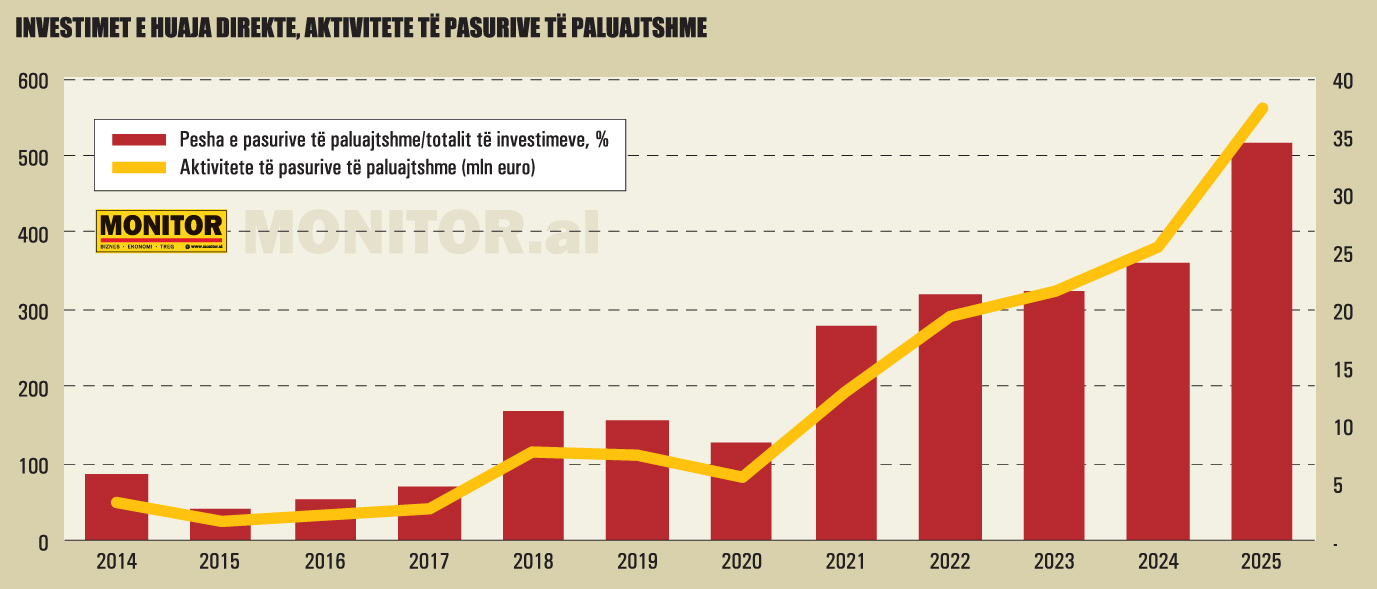
The increase in real estate purchases by foreigners continues to drive the sector. According to data from the Bank of Albania, in 2025 foreign investments in real estate in Albania reached a record value of 571 million euro, up 48% year-on-year.
Real estate brought more than 34% of the total value of Foreign Direct Investments for last year, from the 3-5% that this weight was a decade ago. Foreigners are particularly attracted by real estate on the coast, where prices are still cheaper than in other countries of the region (Montenegro, or Croatia).
Source: Bank of Albania
The high interest of foreigners in Albania is also driving the expansion of investments and sales in hospitality and tourism, since 2018. Investors are mainly interested in villa projects, which have a much higher and faster return than hospitality.
Unlike 2024, when a series of residential projects reported growth, in 2025 the decline of the big players was marked, especially in coastal projects, which is mainly linked to the phases in which the projects being developed are.
The sector is expected to revive, based on the recent months’ projects approved by the National Territorial Council, which has granted permits for tourist villages in the South and multi-storey residential constructions in the Golem area.
According to https://whoownsthealbaniancoast.com/, which processes the National Territorial Council’s permit data, in 2024 the KKT granted permits for 66 projects on the coast, with land for development of nearly 3 million square meters and for construction, 2 million square meters.
In 2025, permits were granted for 22 projects, with land for development of 385 thousand square meters and for construction, 403 thousand square meters. These permits will need at least two years to begin to materialize and are expected to have an effect quickly, if they manage to be developed.
“BALFIN Construction” (part of the BALFIN group), focused on construction, reported revenues of around 6.4 billion lek, up 40% year-on-year. According to the annual report, “founded in 2001, ‘BALFIN Construction’ is specialized in the field of civil and industrial construction, such as: shopping centers, residential buildings, social and cultural centers and infrastructure constructions.”
It has built the three “Ambasador” buildings in Tirana, “Park Gate”, “Rolling Hills Luxury Residences”, “Green Coast Resort and Residencies”, “Vala Mar Residences”, etc.
The company says in the annual report that the main factors influencing this industry are: lack of workforce and their productivity; health and safety risks at work; non-fulfillment of conditions by subcontractors; changes in client requirements; increase in the cost of construction materials; exposure to exchange rate fluctuations in the functional currency. The company estimates in the 2025 annual report that its projects are in the finishing and closing phase.
“Nova Construction Group” (formerly “Nova Construction 2012”) is one of the residential construction entities with the strongest growth in the past four years. In 2025, its revenues reached 5 billion lek, with annual expansion of 4.7%, ranking as the second largest in the country in the residential segment.
In recent years, this company has been involved in several large residential projects in the country and was expected to begin the construction of the “Mali i Tiranës”, the multi-storey tower behind the Opera and Ballet Theater in the capital.
In June 2026, the company’s shareholders were included in the SPAK (Special Structure against Corruption and Organized Crime) investigation, which struck one of the largest criminal organizations in Albania, involved in international cocaine trafficking and money laundering.
SPAK reported that through businessmen and involved exponents, the organization had managed to secure high-value tenders and permits for the construction of luxury towers and resorts, mainly on the country’s southern coast. Authorities have seized assets worth millions of euro, based on these investments in construction and new resorts.
“Kontakt” sh.p.k. declared annual turnover of 4.4 billion lek, up 34% compared to last year, ranking as the third largest company in the country for residential constructions. (Revenues from sales were around 1.97 billion lek and 2 billion lek from change in finished goods inventory, which are objects under development).
According to the website, the company has several residential projects under the “Mangalem” brand, is building the “Abi” villa complex on the outskirts of Tirana, and has started reservations for the “Pyjet e Drilonit” project, which is very close to the Drilon Park, in Pogradec. The company had 159 employees.
“Agi Kons” reported revenues of 3.8 billion lek, with an annual decline of 11%. The company explains that the revenue decline is not linked to a reduction in operational activity, but to the phases of project implementation and the moment of revenue recognition, according to the accounting standard.
“2025 was characterized by the continuation of inflationary pressures in the construction sector, accompanied by fluctuations in material prices, transport costs and labor costs.
However, demand for residential developments and real estate investments remained at satisfactory levels, creating opportunities for continued investments. The company managed to adapt its operational policies to market conditions, controlling costs and maintaining the quality of projects.”
“Green Coast”, part of the BALFIN group, which was the financier of the tourist villa complex of the same name in the South, reported revenues of 3.1 billion lek, down 63% year-on-year, a performance linked to the project cycle. The contraction came as a result of the item “Revenues from contracts with clients” for the sale of properties.
The company develops elite projects in the South area, with the construction of tourist villages and hospitality. The company is an investor and performs construction through subcontractors.
According to the activity report, the main projects are “Green Coast Resort and Residences”, being built on the shores of the Ionian Sea; “Green Coast Resort 2” which will extend over nearly 500,000 m² of land with more than 290,000 m² of construction and “Hotel MGallery”, a 5-star brand under the “MGallery” mark, with 118 rooms, over 16,000 m² of construction, on a plot of over 8,000 m².
The company says in the annual report that the revenue performance is expected to be supported by further progress of existing projects and those under development.
“Kastrati Construction” reported annual turnover of around 4.8 billion lek in 2025, according to preliminary data from taxes (the company has not yet submitted its balance sheet). One of the company’s largest projects is the investment and construction of a multifunctional building “Down Town One”, with 37 floors above ground and 5 floors underground, on the “Zhan Dárk” boulevard.
“Concord Investment” reported annual turnover of 2.4 billion lek, shrinking by nearly 28%. According to the activity report, “the company ‘Concord Investment’ sh.p.k. is an investor in a series of important projects in the field of real estate, and what is more important is innovative in the field of investment in hotel-tourism services, being among the first to have received the special investor status in 5-star hotels.
This was among the company’s main objectives for 2025 and was achieved thanks to the investments of the company and its partners in the construction of the 5-star accommodation structure ‘San Pietro’ in the Bay of Lalëz. The investment for this project was closed in 2025.
The company is investing in the construction of a warehouse complex in Kashar, the first of its kind in Tirana. The first phase has been completed and meanwhile works have begun and continued for the second phase of warehouse structures.”
“BE–IS” sh.p.k. is a new entry in the list of the largest residential constructions. The company declared strong revenue growth of 210%, to nearly 3 billion lek. According to the website, founded in 2006, “BE-IS” sh.p.k. is specialized in the field of civil and industrial construction, such as: civil buildings, social and cultural centers and infrastructure constructions.
“Progeen” is another new entry in the “Monitor 200” list. The company reported revenues of 2.9 billion lek, up nearly 29% in 2025.
According to the website, the company has operated in Albania since 2013 in the role of investor and builder and is specialized in residential, industrial, public works and infrastructure constructions. It has implemented projects such as Progeen 1 Residence, Progeen 2, Rainbow Residence and IRIS Residence, where the company was in the role of investor.
“Anakonda Plus”, another company, registered with the activity “construction of residential and non-residential buildings”, declared revenues of 2.4 billion lek in 2025, up from 90 million lek in 2024. The company registered in Vlorë, still has minimal personnel expenses (3 million lek) in 2025 and operates more as a real estate agency, according to an internet search.
“Bonita Konstruksion” is a company growing rapidly, as a result of the projects it is developing on the Durrës coast. The company reported revenues of nearly 2.3 billion lek in 2025, doubling compared to the previous year.
“The company has signed new contracts with clients, which will be realized in the following year. To realize these contracts, but also other investments in new and historic segments of the market, our company plans for the future to grow and improve its capacities,” the annual report states.
“Durrës Marina” sh.a., the company managing the strategic project of the Yacht Marina in Durrës, has for two years started selling apartments, which in the balance sheet it declares under the item “Liabilities from contracts with clients”.
Although the company has reported zero revenues, because “revenues will be recognized at the moment of delivery of the housing units, initially in 2025”, Taxes ranks it in the list of the largest companies for the second consecutive year. The company has not submitted its 2025 balance sheet and its annual turnover according to taxes is around 3 billion lek.
The company has been granted the “Strategic Investment/Investor” Status for the investment project “Durrës Yachts & Marina”, for a 20-year period.
In total, the construction of nearly 13 thousand apartments is foreseen (4 thousand in the first phase and around 8,600 in the second phase), while there will be only a few hotels with more than 850 rooms. Only 280 berths for yachts are foreseen. 93% of the foreseen construction area will be residential and 3.5% each will be hotels and commercial areas.
The Albanian side has contributed the land where the “Durrës Marina” residential complex will be built. In addition to providing the land, the Albanian government will exempt the company from the obligation to pay the infrastructure impact tax and the social housing fund, which are estimated at around 7% of the foreseen sales value.
“Park Construction Albania” exited the “Monitor 200” ranking, after a 63% decline in revenues, to 2.2 billion lek. This contraction came after three consecutive years of strong expansion. According to the annual report, for 2026 the company has planned to complete a process on the privatization extraction of a plot of around 28,000 m², as well as to begin construction of a new building.
“Arlis Ndërtim” is another exit from the list. The company reported in 2025 revenues of 1.1 billion lek, halved from the previous year. The company is developing numerous projects in the Municipality of Tirana, according to its website, but which have not yet begun to have an effect on its revenues.
“Orion”, with activity in civil and tourist constructions, reported revenues of 600 million lek in 2025, down nearly 60%, remaining outside the “Monitor 200” list. According to official sources, the company is involved in a series of residential projects and residential complexes and villas, but recently it is also diversifying into tourism with plans for the development of villa resorts combined with hospitality on the Ionian coast.
Price growth is slowing, especially in the capital
After a rapid increase in real estate prices over the past decade, the pace slowed in the capital, while it continued to stay high on the coast, driven by high demand for purchases by foreigners.
The Fischer Index calculated by the Bank of Albania showed that the average price of homes sold in the second half of 2025 increased by 11.7% compared to the previous half and by 28% compared to a year earlier. However, the annual price growth slowed from the level of 41.7% reported in the first half of 2025.
In particular for the capital, the market appears to be slowing significantly.
The price index for sales in Tirana was reported unchanged against the previous half and increased by 4.4% against the level of a year earlier.
The year-on-year price growth fell drastically from the level of 32.6% in the first half of 2025.
The Bank of Albania estimates that the main contribution to the increase in the value of the general price index was given by the increase in the value of the index calculated for the coastal areas.
Cement follows construction
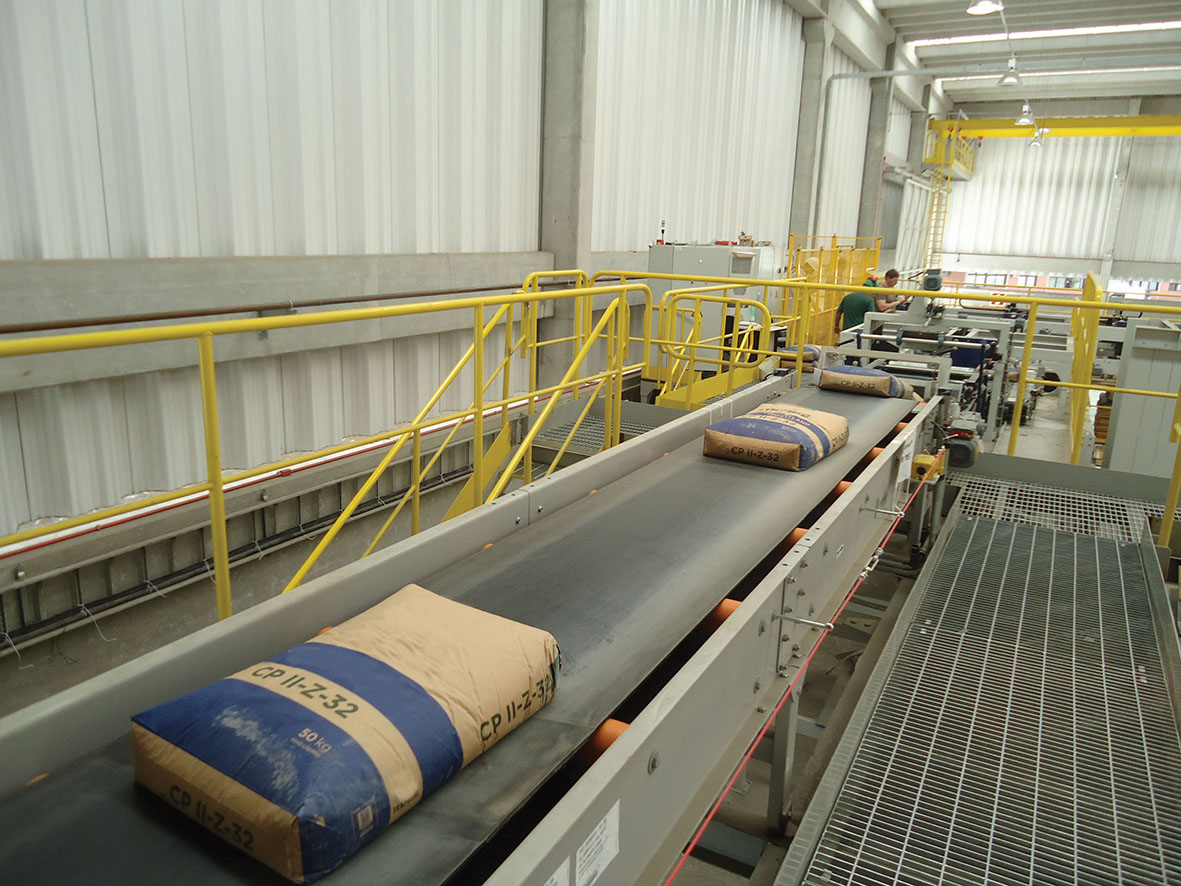
Businesses operating in the cement industry have reported more positive performance compared to 2024, with some of them also marking double-digit growth, influenced by improved consumption.
According to data from “Colacem Albania”, in 2025 the cement sector recorded consumption levels of around 3 million tons, an increase of 12.4% compared to 2024.
The growth is linked to the good performance of the construction sector due to post-earthquake reconstruction, the sale of real estate for private housing, the strong recovery of public works and finally, foreign investments in the tourism sector.
The sector is going through a deep transformation, driven simultaneously by the pressure to reduce emissions, the acceleration of digitalization and the rise of costs and uncertainties in supply chains.
According to the “World Cement Association”, the cement industry is responsible for around 7% of global CO2 emissions, making decarbonization one of the sector’s main challenges. At the same time, digital technologies are changing the way projects are designed, built and managed.
According to the “World Economic Forum”, the use of technologies such as BIM, Artificial Intelligence and data analysis is becoming increasingly important for increasing efficiency and productivity in construction. Added to these developments are energy price fluctuations and geopolitical uncertainties, which make it more difficult to forecast costs and the supply of raw materials.
For companies in the sector, competitiveness is increasingly linked to investments in technology, energy efficiency and materials with a lower carbon footprint.
“Antea Cement”, part of the “Titan” group, reported annual turnover of 9.1 billion lek in 2025, down 4.2%, after contracting by 18% the previous year.
According to the activity report, this trend is mainly linked to the decline in sale prices. The company’s export activities remain stable, accounting for around 31.9% of total sales, which has increased slightly compared to a year earlier. The main export markets remain Albania’s neighboring countries, including Italy, Montenegro and Kosovo.
“Antea Cement” has a production capacity of 1.4 million tons of cement per year and 3,300 tons of clinker per day, according to the 2025 report.
“Fushë-Krujë Cement Factory” reported revenues of around 7.5 billion lek, according to indirect data from the Taxes ranking (the company has not submitted its 2023-2025 balance sheet).
“Colacem Albania” reported revenues of 3 billion lek, down 6.4% in 2025. This factory currently has a production capacity of around 350,000 tons of cement per year and began production in 2013. According to the activity report, “‘Colacem Albania’ sh.p.k. closed the financial year with revenues of 30.5 million euro, down 4.8% at a constant exchange rate compared to 2024.
Revenues continue to be affected by strong competitive pressures in the domestic market, which began in the second half of 2024 and continued throughout 2025.
As a result, ‘Colacem Albania’ failed to match the 2024 performance, both in volume terms – domestic sales reached 183 thousand tons compared to 194 thousand tons in 2024 – and in price terms, where the average price fell by 3% compared to 2024.
Cement imports have decreased, reaching 196 thousand tons, while exports have increased by 11.61%, translated into 125 thousand tons in 2025 compared to 112 thousand tons in 2024. In this context ‘Colacem Albania’ closed the year with a turnover growth of around 10.3% in real terms, with total revenues of around 49.3 million euro.”
“Berdica Cement” is for the fourth consecutive year in the “Monitor 200” list, but is not a direct producer. In 2025, revenues grew by 16%, to 5.8 billion lek, after expanding by 61% in 2024. The company operates in the distribution of ingredients and additives for the construction materials industry in Albania and Kosovo.
Revenues, according to the activity report, are generated from the sale of various industrial goods used in construction such as cement, lime, quartz stone, resin and transport services.
“One of the company’s aims is also the growth and expansion of its activity in the future, through the expansion of the product range in the domestic market and the expansion of exports,” the activity report states.
The sanitaryware industry improves thanks to tourism
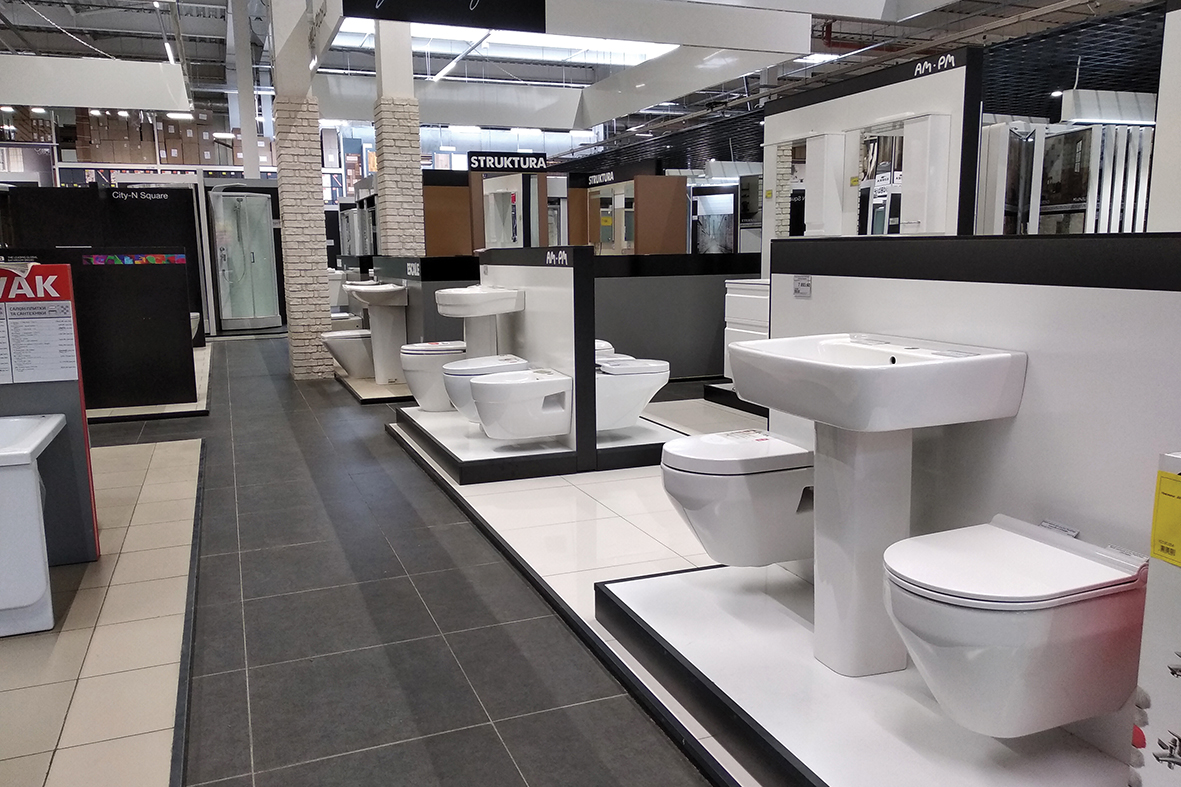
After the slowdown in 2023-2024, as a result of the decline in household demand for sanitaryware products, tourism has returned the pace to the sector. According to market operators, owners of apartments rented daily to foreign tourists are turning into one of the main sources of demand for sanitary equipment, replacing families and emigrants.
AirDNA data, the analytics unit of the rental platform “Airbnb”, made available to “Monitor”, shows that across the country, in 2025 an average of around 27 thousand apartments were rented through the rental platform, mainly “Airbnb”, from around 6.2 thousand apartments in 2021.
This whole added stock in the daily rental market has led to numerous renovations to offer better quality apartments, which also enabled higher rents.
The largest operator in the market is “Brunes”, with activity in the trading of construction materials, ceramics, sanitaryware and furniture, which saw revenue expansion of 13.7%, to around 6.6 billion lek in 2025.
“Currently ‘Brunes’ has a distribution apparatus covering all of Albania with 7 sales points in the largest cities of the country. The market where we operate has even more room for growth and for this reason, we are working on expanding the product range, as well as on the highest quality treatment of the client,” the activity report states.
The report emphasizes that Albania is a safe country for business operations, but is often characterized by political tensions, which bring uncertainty and insecurity for business operators, as well as consumers themselves.
Political tensions are often accompanied by changes in tax legislation, making it difficult for business operators to update and implement all changes with precision.
“Brunes” claims it has managed to position itself very well in the domestic and international market where every year it has also increased the number of exports.
“Billa & Co” reported revenues of 3.4 billion lek, according to preliminary data from taxes (the company has not yet submitted its balance sheet). Since 2007, “Billa Albania” has been the largest tile distributor in the Balkans.
The company has the exclusivity of the largest tile producers in Spain, Italy, Turkey, etc. In the continuation of its activity, the company aims to maintain the existing activity and further expand its presence in international markets through export growth and the attraction of new clients in branches abroad.
“Haki Sinani” had revenues of 4.2 billion lek, up 5.5% year-on-year, which according to the company was lower than its set target of 10-15%.
“Growth will continue at high rates for 2026 and beyond. The company has planned investments in its long-term tangible assets to make the best use of the resources created by reserves and this year’s profit. In this way we will create the right base for supporting the continued expansion of our activity for the coming years,” the activity report estimates.
DAST (Delta Adhesive Structural Tech) had revenues of around 3.4 billion lek, contracting 8.8% year-on-year. In 2025 the company was mainly engaged in the realization of several contracts for wholesale and retail trade of mortar production products, brick preparation, sanitary equipment with key clients, according to the activity report.
“Delta” (tile and sanitary equipment trading) had revenues of 2.3 billion lek, contracting around 12.5% year-on-year.
Aluminum producers fall
The aluminum profile production segment, after the 2024 growth, has returned to decline in 2025.
“Everest”, with activity in the production of aluminum profiles, reported revenues of 4.8 billion lek, contracting 30%, after strong expansion of 70% in 2024. “For 2025, we have a decline in turnover and, from the performance so far and from the contracts we have in process and newly signed, we forecast that the revenue volume will be at the level of 2025 and the economic and financial indicators will improve,” the activity report states.
During 2025, the company was mainly engaged in the realization of several contracts for wholesale and retail trade of aluminum products with key clients: “MIDA Aluminio srl”, Italy; “Everest Automotive” sh.p.k., Albania; “Eurotim d.o.o.”, Croatia, etc.
For 2025, the company had on average around 417 employees, mostly qualified workers in the field of engineering, architects, economists, technicians, etc.
The aluminum profile producer, “Alumil”, reported revenues of around 2.5 billion lek, based on preliminary tax data (the company has not yet submitted its balance sheet). The company is engaged in the sale of aluminum profiles produced or the resale of purchased profiles to its clients.
The company is also engaged in the sale of industrial scrap created from the production process to its parent company, “Alumil” S.A.
Panel producers
“Emante Panel” is a new entry in the “Monitor 200” list, after the continuous growth of the past year. “In 2025, the company reported revenues of 3.3 billion lek, with strong growth of 42% year-on-year. Despite the challenges of 2025, particularly those related to transport and the supply of raw materials, ‘Emante’ managed to mark a significant increase in exports.
This growth is the result of continuous focus on quality, the trust of our partners and the ever greater appreciation that ‘Emante’ products are receiving in international markets. For us, this is the best confirmation that quality and seriousness remain the basis of sustainable growth,” official company sources said.
Electrical materials, growing
The electrical materials segment followed the construction cycle, marking significant growth for several years in a row. Even in 2025, most operators in this segment marked growth in activity.
“4 A-M”, the largest in this segment, focused on electrical works, wholesale and retail trade of electrical materials, resulted with annual turnover of 7.2 billion lek, with strong annual growth of 41.7%.
“ITE Group”, with activity in import-export, electrical materials, has grown rapidly in recent years, ranking as the second largest operator in this segment. The company’s revenues were 3.8 billion lek, with annual expansion of 2.3%.
“Albaelettrica” reported revenues of 3.1 billion lek in 2025, according to data from the company. According to the official website, “Albaelettrica” is specialized in wholesale and retail trade of electrical, civil, industrial materials, as well as their design and installation since 1993.
“Sali Elektrik” declared a turnover of 2.8 billion lek, up 15%. According to its website, “the company ‘Sali Elektrik’ was founded in 1996 and has over 25 years of experience in the trade and distribution sector of electrical and lighting materials.”
“Sali Elektrik” has a total of four warehouses in Tirana, Durrës, Fier and Vlorë, as well as a wide network of representatives throughout Albania.
Read also:
The 200 VIPs of 2025; the economy that is creating neither value nor employment
Industry enters a long down cycle
Sokol Kraja: Construction is momentary, capital should focus on industry and value-added sectors
The dairy processing industry is trying to create economies of scale


Komentet
Bëhu i pari që komenton!
Lini një Koment të Ri
Për t'u përgjigjur një komenti specifik, kliko butonin 💬 Përgjigju poshtë atij komenti.