
Museo Amparo in Puebla presents «A Home to Inhabit»: 60 artists from the FEMSA collection
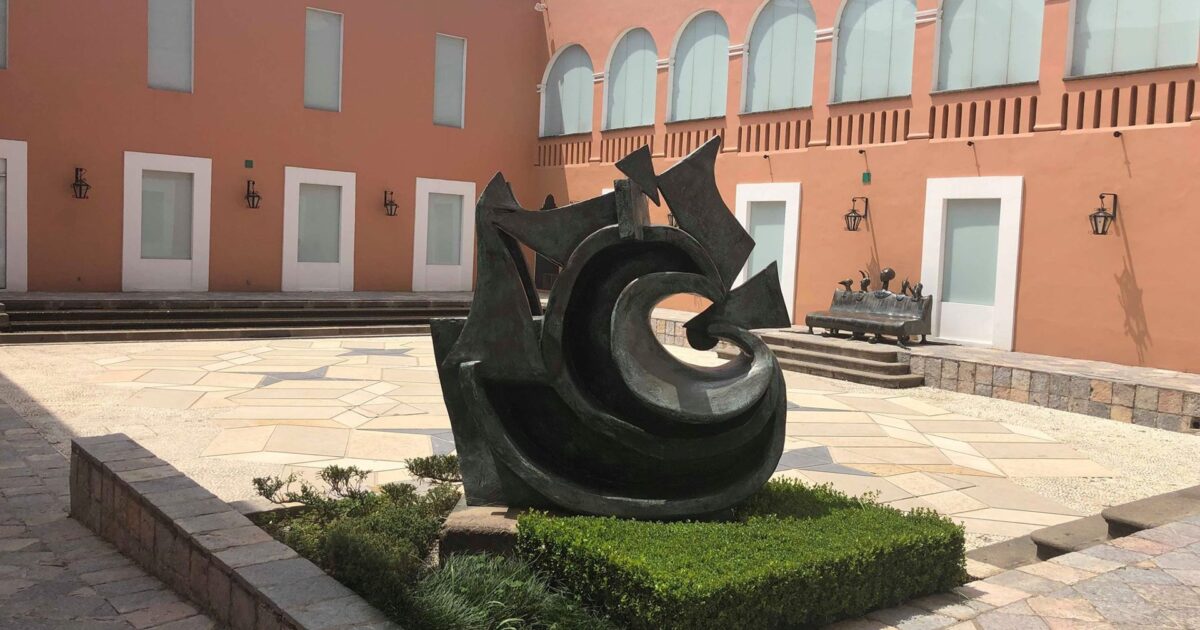
The Museo Amparo in Puebla, Mexico has opened its doors to the new exhibition «A Home to Inhabit: Works from the FEMSA Collection», as the first online art newspaper ArtDaily reports. The FEMSA Collection, which gathers modern and contemporary art from Mexico and Latin America, is celebrating the 50th anniversary of its founding — and this exhibition is part of the commemoration program. As the collection’s curator and adviser Eugenia Braniff puts it, over these 50 years they have built “not only a renowned collection, but also a living history of Latin American art.”
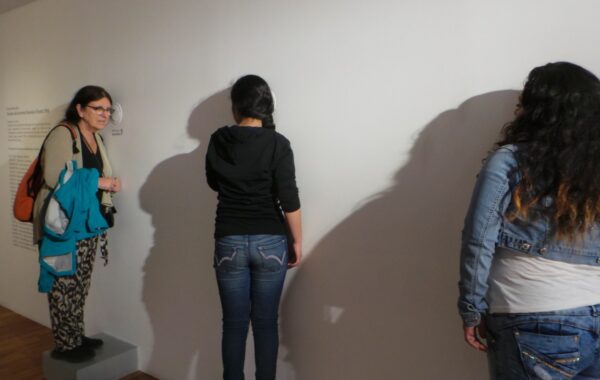
Curated by Eugenia Braniff, Paulina Bravo and Beto Díaz Suárez, the exhibition brings together works by 60 artists, among them Francisco Toledo, Fernando Botero, Leonora Carrington, José Clemente Orozco, Graciela Iturbide, Manuel Álvarez Bravo, Tomás Saraceno, Guillermo Kuitca and Wifredo Lam. Through five thematic sections, the exhibition explores the body, the home, memory, shared territories and the relationship with other species.
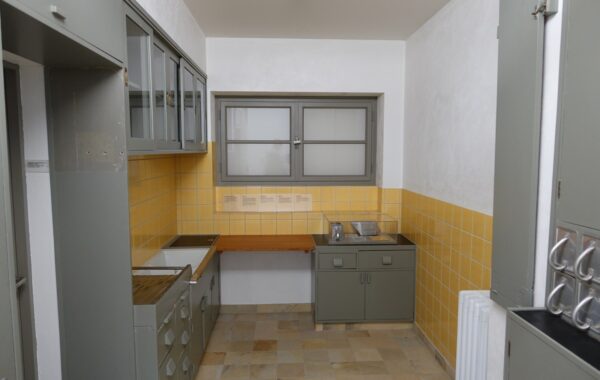
One of the exhibition’s most distinctive moments is the entrance, where visitors are welcomed by Ana Hernández’s work «Redasilú (Vendrá la memoria)» — 68 pumpkin rinds made of earthen materials. Other highlights include Magali Lara’s «Coraza (2)» on the body and the inside-outside relationship; Miguel Fernández de Castro’s «Objetos de mi jardín» with objects from the Sonora desert, addressing migration and border tensions; Aydeé Rodríguez López’s «La Artesa que vino del mar», which brings back Afro-Mexican memory; Mauricio Gattás’s «Mil novecientos cincuenta y cuatro», which reconstructs a 1950s Monterrey kitchen; and Tomás Saraceno’s «Andromeda 7, 60».
According to the Museo Amparo’s executive director Ramiro Martínez, the exhibition broadens perspectives on Mexican and Latin American art, “offering a unique group of artists — both established and new and promising — within a curatorial framework that addresses key issues of contemporary life.” The museum’s colonial architecture and its collection of pre-Hispanic art enrich the exploration of place, history and belonging.
The exhibition will remain open through January 25, 2027, from Wednesday to Monday, 10:00 a.m.–6:00 p.m., and will be accompanied by talks, artistic activations and interdisciplinary encounters.

Komentet
Bëhu i pari që komenton!
Lini një Koment të Ri
Për t'u përgjigjur një komenti specifik, kliko butonin 💬 Përgjigju poshtë atij komenti.