
Oil Tops $100 a Barrel as Serbia Faces Major Energy Challenge — NIS Future Still Uncertain
Crude oil prices crossed the $100-per-barrel mark last week, climbing to around $101 — the highest level since May. The tightening of global energy markets comes at a particularly delicate moment for Serbia, which is facing major uncertainty over the future of its oil company, Naftna industrija Srbije (NIS).
According to sources, negotiations between Hungary’s MOL and Russia’s Gazprom Neft over the sale of the Russian majority stake in NIS have not yet concluded. The deal, expected to resolve the impasse created by the company’s Russian ownership, remains open, leaving Belgrade waiting — with direct consequences for the country’s energy security.
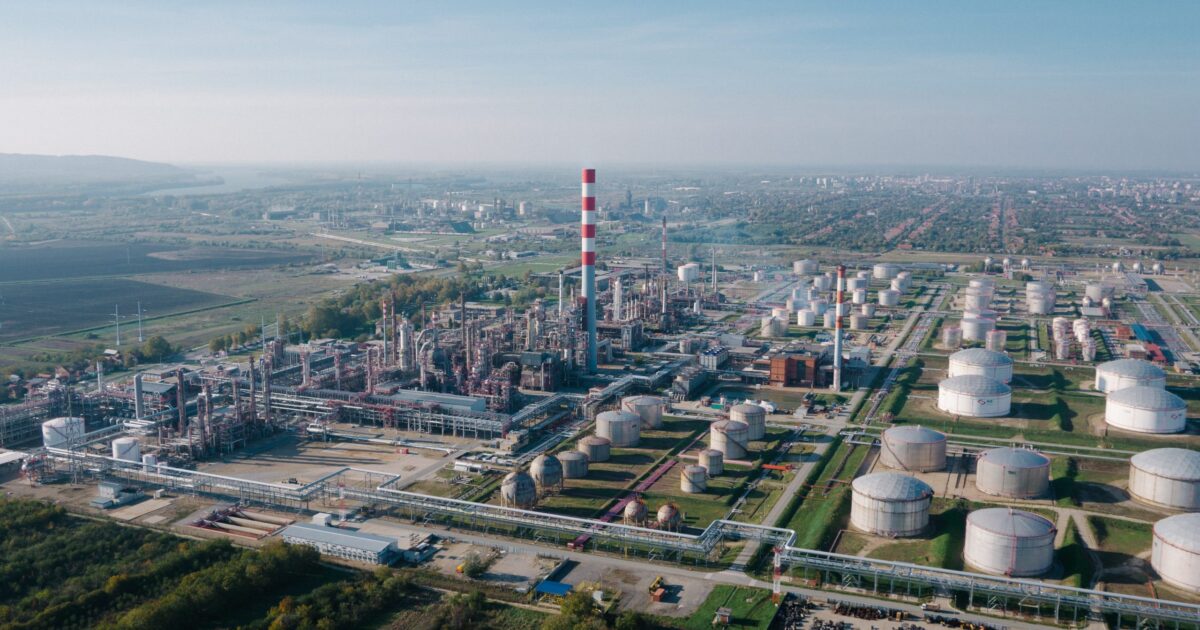
NIS’s current predicament stems from U.S. sanctions, which hit the company in October over its Russian ownership: Gazprom Neft holds 44.9 percent of the shares, Gazprom 11.3 percent, while the Serbian state holds 29.9 percent. After the sanctions were imposed, crude supplies via the Croatian JANAF pipeline were cut off, putting the operation of the Pančevo refinery in question — with a designed capacity of 4.8 million tonnes per year, the country’s only refinery, covering the bulk of Serbia’s fuel needs.
Earlier this month, Serbian President Aleksandar Vučić said fuel prices in Serbia would not rise until September 18, while the state would waive 25 percent of the excise duty. The move is seen as an effort to ease pressure on consumers, but analysts warn the long-term solution depends on the fate of NIS and the outcome of the MOL–Gazprom Neft talks.
With international prices above $100 and supplies uncertain, Serbia is heading into autumn facing one of the biggest energy challenges of recent years. If the negotiations fail, the consequences could be felt not only at fuel pumps, but in the energy stability of the entire region.



Komentet
Bëhu i pari që komenton!
Lini një Koment të Ri
Për t'u përgjigjur një komenti specifik, kliko butonin 💬 Përgjigju poshtë atij komenti.