
Oman meeting on Hormuz without the U.S.: Iran and Gulf states seek a path to reopening the strait
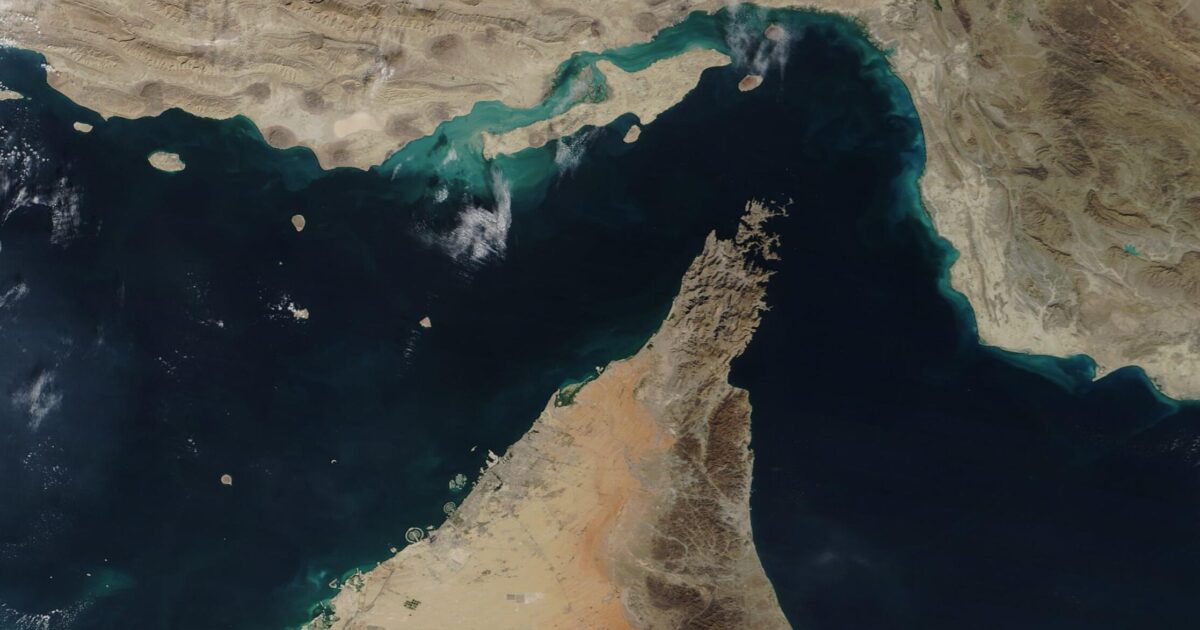
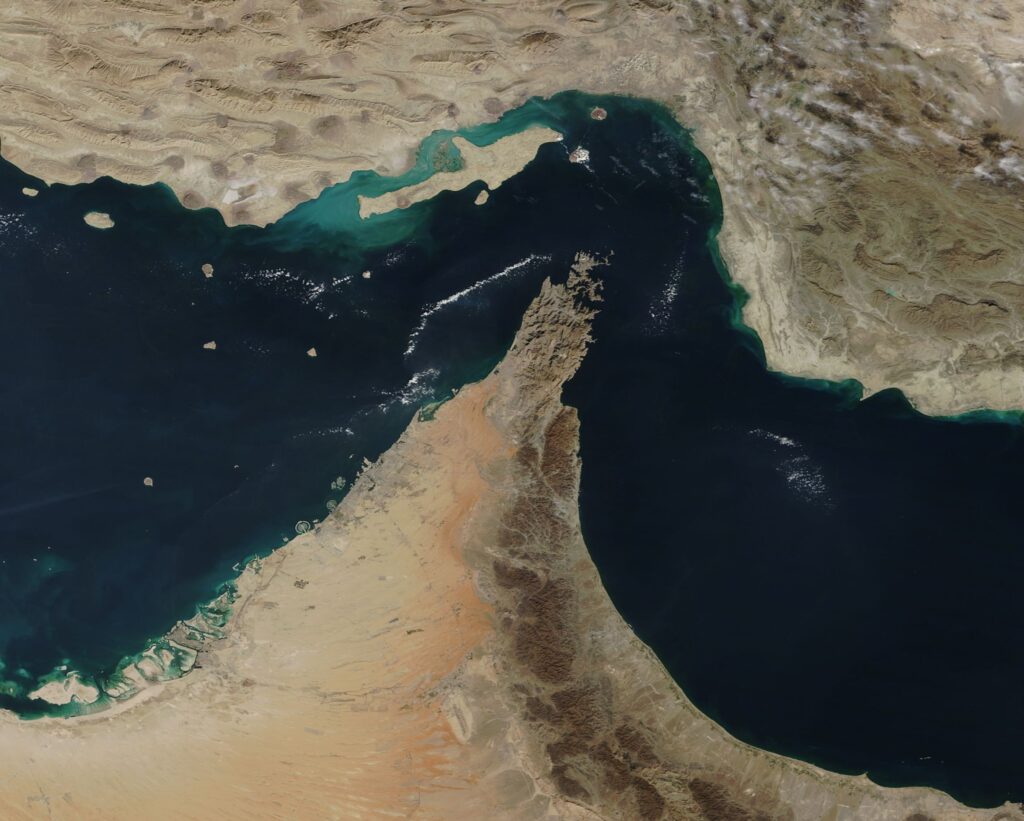
After months of private discussions on a complex legal framework that could allow Iran and Oman to collect tariffs, diplomats hope the meeting will give momentum to a deal that would pull the strait out of its wartime status quo.
“No immediate breakthrough is expected, but resolving the strait issue is the most urgent matter, so we have to start somewhere,” a regional source told CNN.
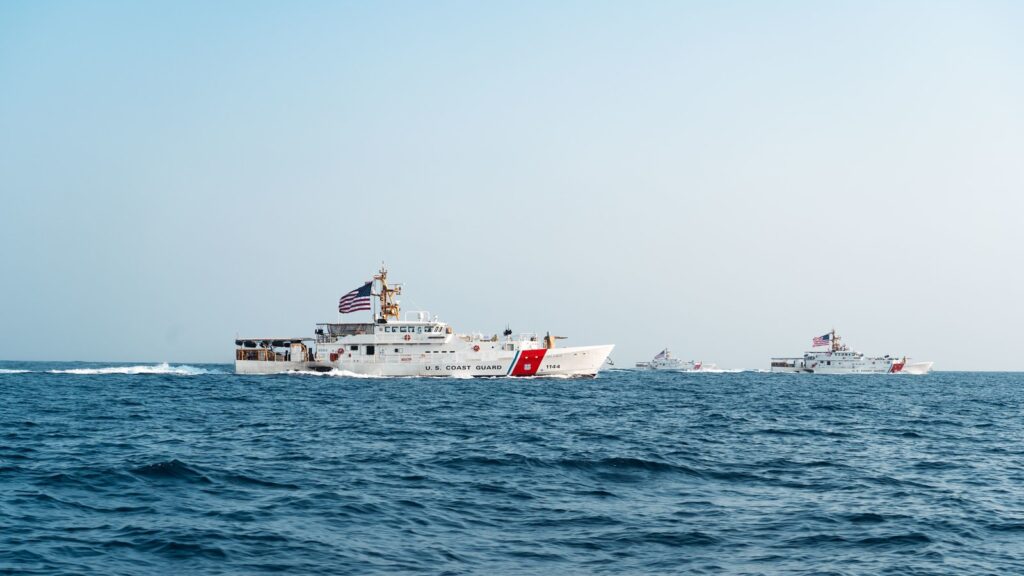
Washington sees the situation differently. President Donald Trump has insisted the state of the strait is acceptable for now, with the U.S. military escorting oil tankers. According to three CNN sources, Trump administration officials have privately told partners in the Persian Gulf that they want any future U.S.-Iran talks to focus on Tehran’s nuclear program, not on reopening the strait.
“We don’t want to talk about the strait, and that’s the administration’s position right now — we’ll only talk to you if you want to talk about the nuclear file,” a U.S. official said.
Trump himself wrote on Truth Social on Tuesday evening: “I’m not trying to force Iran to sit at the negotiating table. I like our position now much, much more, with almost total control of the Strait of Hormuz and their economy collapsing completely.”
But countries in the region refuse to accept the status quo as the new normal. Even as work continues on alternative corridors for passage through the strait, Gulf states see resolving the Hormuz issue as the most urgent matter — and, crucially, as the step toward nuclear talks.
Iran has signaled to regional actors that it would be open to nuclear negotiations with the U.S. once the strait issue is resolved, including lifting the American blockade.
“We will not accept something that didn’t exist before, but there could be new symbolic rules that allow both sides to save face,” a European diplomat briefed on the Omani proposal said.
Although the prospect of mandatory Iranian tariffs is still widely rejected, there is willingness to consider voluntary contributions for navigation security and environmental protection.
In the background, traffic through the strait has grown significantly in recent weeks thanks to U.S. military escorts — the U.S. Navy has escorted up to 40 merchant ships in a single day — but ships continue to be hit by Iranian attacks during transit.
The question is how long the U.S. military can sustain this major commitment of ships and resources.
The need for a long-term solution has become even more urgent after recent military successes by the Iranian-backed Houthis, which have threatened passage through the Red Sea — another key energy route for the world.
Source: CNN — https://www.cnn.com/2026/09/13/politics/iran-gulf-countries-strait-of-hormuz?cid=external-feeds_iluminar_meta
Komentet
Bëhu i pari që komenton!
Lini një Koment të Ri
Për t'u përgjigjur një komenti specifik, kliko butonin 💬 Përgjigju poshtë atij komenti.