
Prado and Rijksmuseum join forces to study the ruling women of the 16th century: the concept of “matronage” is born
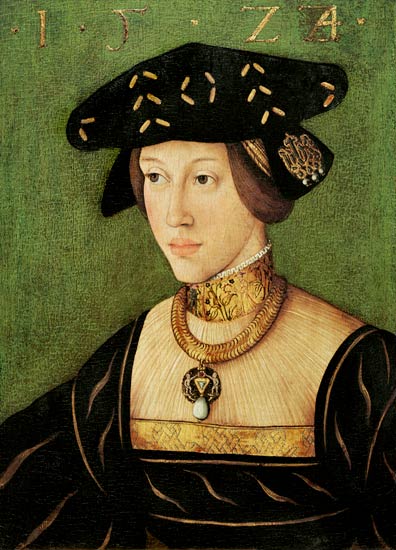
The Prado Museum in Madrid and the Rijksmuseum in Amsterdam have announced a research partnership to investigate the forgotten influence of Europe’s ruling women of the 16th century on art — a phenomenon that curators are calling matronage, as distinct from traditional patronage, as The Art Newspaper reports.
At the centre of the project are the women of the Habsburg empire, which included Spain and the Netherlands. In the Netherlands, Margaret of Austria, Mary of Hungary and Margaret of Parma together governed for almost 60 years in the name of Charles V and then Philip II — and their role as promoters of the arts, the project stresses, has remained largely in the shadows.
The collaboration includes an international research fellowship programme starting in September 2027, with access to the archives of both museums, a series of expert meetings and — as its culmination — a major exhibition at the Rijksmuseum in 2029 dedicated to the leading women of the Habsburg Netherlands.
According to Noelia García Pérez, scientific director of the “El Prado en femenino” project, Mary of Hungary — governess of the Netherlands and queen of Hungary and Bohemia — was a particularly interesting figure. “Spain and the Netherlands share the history of the Habsburg empire,” says Marion Anker, co-head of the “Women of the Rijksmuseum” project. “It was such a large empire that representatives were needed everywhere.”
The project builds on the existing work of both institutions: “El Prado en femenino” has already become a permanent programme at the Prado, while the Rijksmuseum launched its own programme dedicated to women in the collection in 2021.

Komentet
Bëhu i pari që komenton!
Lini një Koment të Ri
Për t'u përgjigjur një komenti specifik, kliko butonin 💬 Përgjigju poshtë atij komenti.