
Rome opens the new Museum of the Baths of Trajan: the largest surviving wall mosaic from the Roman world goes on display
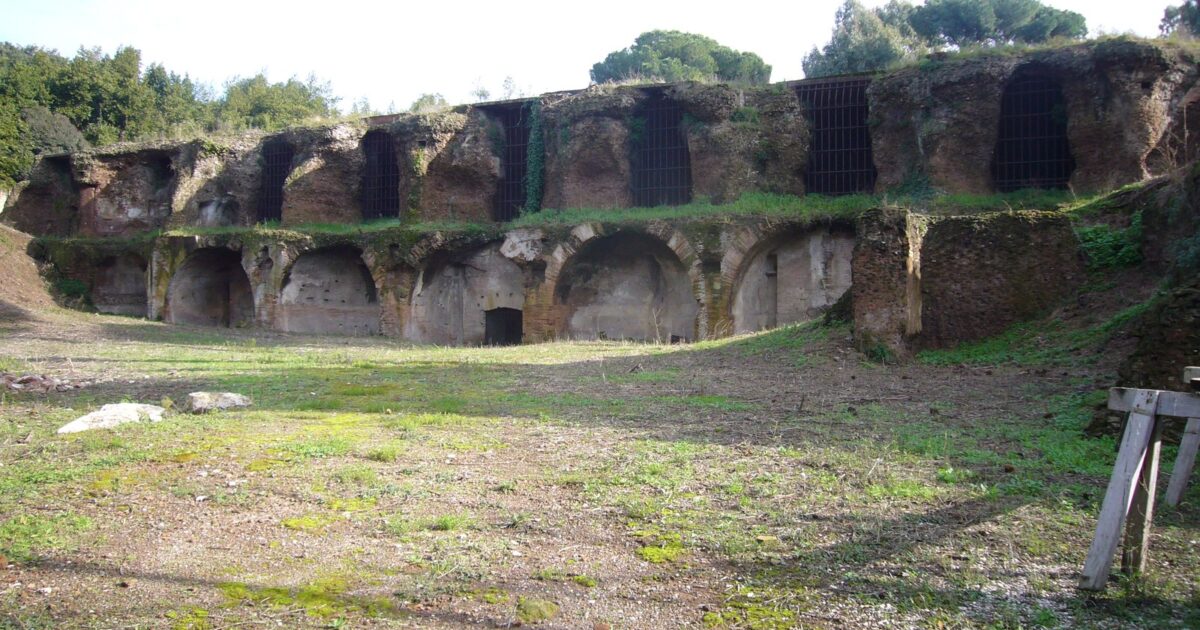
The new museum Museo delle Terme di Traiano has opened in Rome, on the Oppian Hill, opposite the Colosseum, as Hyperallergic reports. It is housed in a 70-metre vaulted underground gallery, discovered during excavations in 1997–1999. The buried buildings had been cleared on the orders of Emperor Trajan to build his magnificent baths, inaugurated in 109 AD.
The main attraction is the largest surviving wall mosaic from the Roman world, displayed where it was found (in situ), on two walls of a hall about 10×15 metres and about 12 metres high. Only about 20 percent of it has survived, and visitors see it about 9 metres below the modern visitor platform.
The mosaic has been named the ‘Mosaic of the Muse and the Philosopher’ after the first two portraits found. It depicts illusionistic architecture, slender columns with decorated capitals, Dionysian symbols, imitation statues such as a centaur, and full-colour portraits of psychological intensity. It dates from between the Great Fire of Nero (64 AD) and the end of Domitian’s reign (96 AD). Scholars believe it was a large imperial reception hall (oecus), perhaps part of a nymphaeum or fountain room; the missing parts show that the blue glass tesserae were removed for reuse.
The second discovery is a large fragment of an unusual fresco, painted on the exterior facade of a building that was destroyed to make way for the baths. It shows a bird’s-eye view of a painted city — towered walls, a main gate, an odeon, a temple, a four-sided portico, dwellings and a fortified port. Scholars suggest the city may be imaginary, a Middle Eastern city on the Mediterranean, or even Londinium.
Rome’s mayor, Roberto Gualtieri, stressed that with this intervention the city regains ‘a wonderful and finally accessible place’, recovering unique testimony to Rome’s history, and that every heritage intervention can bring new fragments of history to light.

Komentet
Bëhu i pari që komenton!
Lini një Koment të Ri
Për t'u përgjigjur një komenti specifik, kliko butonin 💬 Përgjigju poshtë atij komenti.