
“Traffic and Infrastructure Remain a Problem; Guaranteed Contracts Are on the Rise”
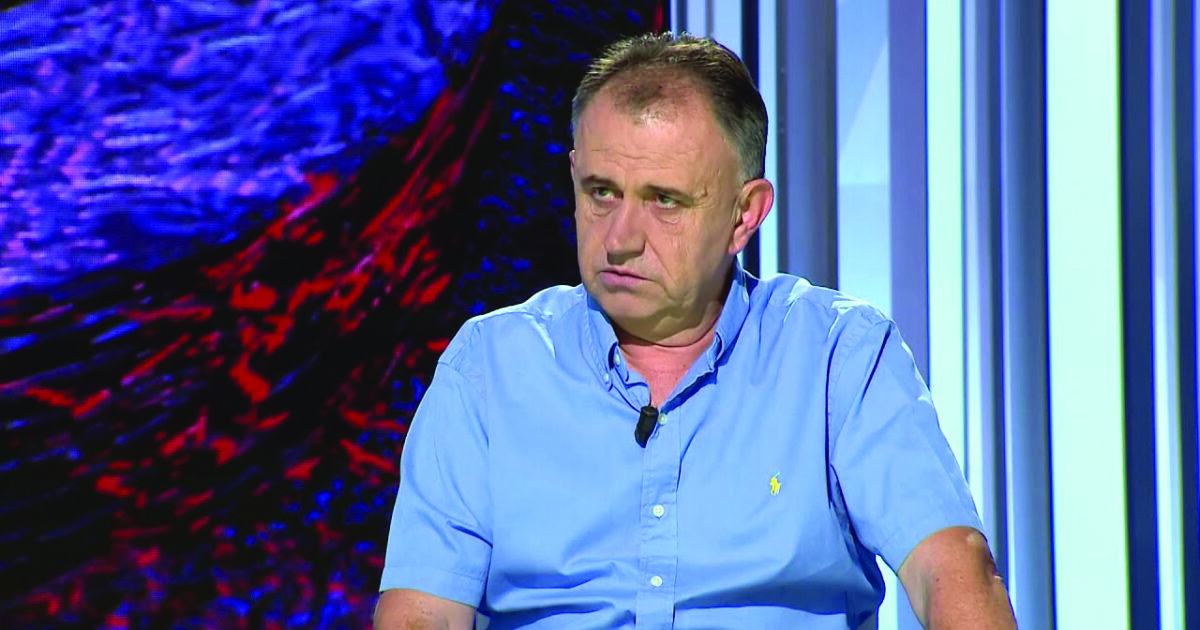
Rrahman Kasa, head of the Albanian Tourism Union, says the growth in the number of tourists this season has again been accompanied by repeated problems in traffic and infrastructure, which continue to penalize visitors’ experience and movement toward some destinations.
According to Kasa, foreign agencies highlight exactly these two elements among the main issues, while in some cases transfers from Tirana airport toward tourist areas have lasted several hours.
At the same time, organized tourism continues to expand and contracts for next year have closed with growth. According to Mr. Kasa, the new agreements foresee about 10% growth in both volume and price, while Poles continue to lead, followed by Czechs and the French.
What is the profile of the tourist who has visited the country this summer, in terms of spending opportunities or consumption behavior? Is it a tourist who spends or saves?
This summer too we are with that profile of tourists that belongs to the middle and lower level, as far as the opportunity to spend. We don’t yet have the luxury of having a profile of tourists with high spending power.
If we were to divide in percentages, 60 percent or more are “low cost” tourists, low-budget tourists who want to spend little.
They come because Albania is cheap, but also to discover a new country. There are many of those known as “backpackers”, who travel a lot and don’t prefer to return two or three times to destinations where they have been before, but choose to visit a new country, as Albania can be.
This is that category of tourists that will not spend much, because priority is exploration at as low a cost as possible. Besides curiosity to visit a new destination, Albania continues to attract tourists as it also enjoys a good and positive image, with some of its strong points, such as cuisine, hospitality and nature.
Sea and sand tourism seems, compared to the interior of the country, to get lower evaluations. Why does this happen, according to you?
The coast, all over the world, even in the most developed countries, has load and doesn’t always get the maximum evaluation. But in Albania it’s not just flow or management.
Services are also a problem, which leave much to be desired and this has done its work in the evaluations we receive from foreigners, especially on social networks or on platforms.
Initially there were claims that the protests impacted tourism. Do you think this impact still continues, given that figures show normal progress?
At the beginning there was an impact, during June, when the situation was still not well understood or there wasn’t much information. But then, it turned into routine and there was no further impact. There was growth in the number of tourists and the summer season has been normal.
From the impressions you get from foreign agencies, what are the problems that receive the most negative evaluations from tourists?
Two are the main negative impressions: the first is infrastructure and the second, overly heavy traffic on our roads. As for traffic, this summer we have had, from Tirana airport to Golem, to make transfers that lasted four or even four and a half hours.
We are talking about organized tourists, those who come on charter flights. Besides this, another problem is service, where we show marked weaknesses. The shortage of qualified staff in this sector is a very big problem, which penalizes us.
Dividing it as a separate segment, how has organized tourism progressed and what are the expectations for next year? Have the new guaranteed contracts been concluded?
Organized tourism has grown this year too. The new contracts have closed with about 10 percent growth for next year. We speak both in volume and in price, as foreign agencies have understood the effect of the euro’s devaluation, but also of the rise in costs.
Poles are always growing and lead in these contracts. After them come Czechs. On the other hand, the French too have considerable growth and have good impressions of the experience in Albania.
This year there is a greater attraction of Germans toward Albania. Is this also reflected in your figures?
In general, Germans are not organized tourists. There is growth in their number, but not in the form of organized tourism. They use a prepayment formula, a kind of secured “allotment”. They prepay an amount, about 30-50 percent, and then pay depending on the number of tourists they bring.
For years, Vlora, but also the South, remain dependent on the opening of the new airport as far as organized tourism is concerned. What do you expect for next year or, more precisely, what have the foreign agencies you cooperate with expressed, given the uncertainty over the start of operations?
In Vlora, foreign agencies have reduced the number of contracts by about 60 percent, because they find it difficult to sell it as a destination. Without Vlora airport starting operations, figures will remain modest.
The main reason is that the transfer from Tirana takes very long and tourists don’t want to spend whole hours on the road.
If we make a balance of the coast, which destination stands at the top for positive evaluations and which for criticism?
The evaluation is the same as in previous years. Durrës is better, while the South is worse. Infrastructure in the South is also more burdened, something that penalizes it.
The North too has marked growing numbers and good evaluation, but it has a short season. In the South, but also on the coast in general, construction sites and cranes over bathers’ heads remain a problem, something that doesn’t give us a positive point.
What about what we refer to as “patriotic tourism”, which includes Kosovo and Albanians of the regions?
It too has been in decline and the reasons are two. First, they have chosen other alternatives, such as Greece, but also other countries. Second, the devaluation of the euro has had an impact.
How do you expect autumn?
Autumn tourism I think will be good, since already bookings are at satisfactory levels. In autumn, tourism is calmer and also has better evaluations.
Overall, how have prices been this summer?
Prices have had a slight increase, with an acceptable increase under conditions of higher costs. I cannot speak for specific cases, where it can be seen as abuse, but I speak overall for the sector.
How do you expect 2026 overall, now that most of it has passed?
I think 2026 will have the same progress as 2025, so we will have moderate growth.

Komentet
Bëhu i pari që komenton!
Lini një Koment të Ri
Për t'u përgjigjur një komenti specifik, kliko butonin 💬 Përgjigju poshtë atij komenti.