
War in Iran: Gulf oil exports rise, but Hormuz remains dangerous
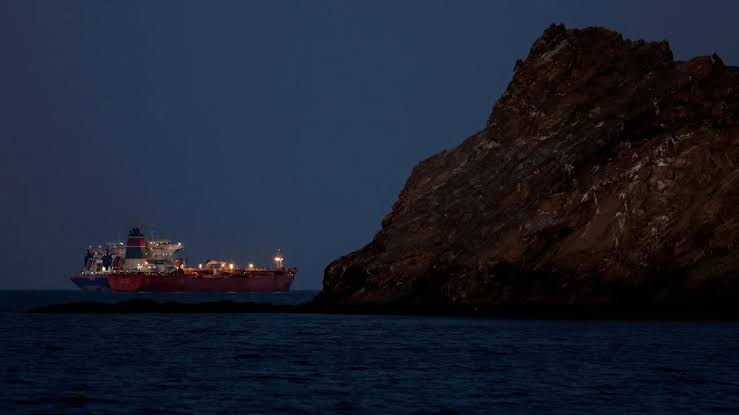
Despite the war in Iran, exporters in the Gulf countries have found various ways to move fuels. However, passage through the Strait of Hormuz remains dangerous, while some customers are not receiving their deliveries.
Middle East crude oil exports rose in September to the highest monthly level since the start of the war in Iran, seven months ago.
Preliminary data from the “Kpler” institute estimate regional exports at 16.3 million barrels of oil per day. However, that figure remains 3.2 million barrels lower than the level of 19.5 million barrels per day recorded in February.
Saudi Arabia accounts for the bulk of the increase, doubling exports from 2.45 million barrels per day in August to around 5.4 million barrels per day in September.
Flows through the Strait of Hormuz are estimated to have reached around 9.7 million barrels per day. Saudi Arabia also shipped additional crude oil from its terminals in the Persian Gulf, following damage caused to its Red Sea pipeline.
The regional total also includes oil cargoes shipped from ports outside the Strait of Hormuz. During September, Qatari tankers loaded with liquefied natural gas also passed through this route.
However, normal exports have not resumed. The “Qatar Energy” group has extended the suspension of deliveries to some customers in Europe and Asia.
The disruption of exports began after the U.S. and Israel launched attacks on Iran on February 28, a conflict that has significantly reduced traffic through Hormuz, while both sides have attacked commercial ships near the strait.
President Donald Trump said on Saturday that he had rejected the Iranian proposal to reopen the strategic passage and halt hostile acts within seven days. He also stressed that the strategic maritime axis was entirely under U.S. control.
In response, a spokesman for the Iranian Parliament declared that no infrastructure in the region will be safe without Iran’s security being guaranteed first. “In a region where Iran cannot sell oil, no one else will sell it,” the spokesman said.

Komentet
Bëhu i pari që komenton!
Lini një Koment të Ri
Për t'u përgjigjur një komenti specifik, kliko butonin 💬 Përgjigju poshtë atij komenti.