
Employers seek gradual implementation of the “Euro model”, Gjeltoshaj convinced of its positive effects
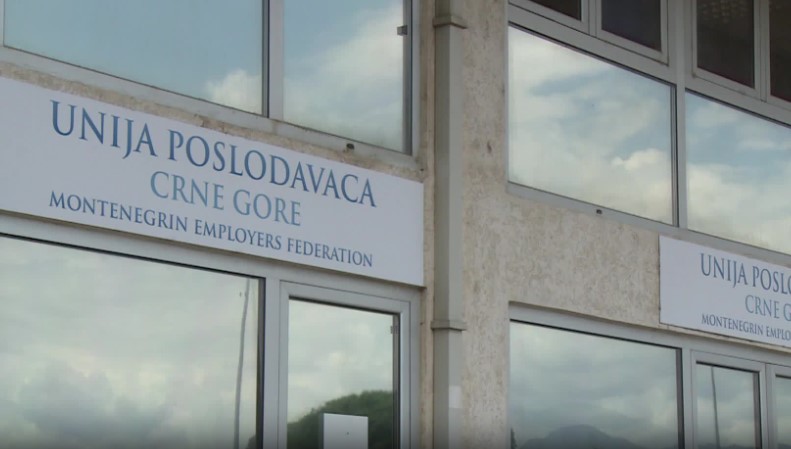
The Union of Employers of Montenegro will ask the Government for gradual implementation of the “Euro model” and of the minimum wage increase announced for January 1 of next year, the Montenegrin portal CdM reports, citing the public television RTCG. Deputy Prime Minister Nik Gjeltoshaj is convinced the Government will resolve all of business’s dilemmas and believes the “Euro model” will be a stimulus for the development of the economy. Meanwhile, President Jakov Milatović asks that all advantages and shortcomings be assessed in detail, so that the announced wage increase through changes in the revenues of local self-governments is sustainable and a better living standard is not to the detriment of the development of municipalities.
The businesspeople gathered in the Union of Employers will sit down tomorrow at the table to determine their final position on the announced wage increase and to prepare proposals for the Government.
“I think precisely the greatest need is that for all these we reach together an agreement and determine, if possible, gradual implementation. Nobody avoids the need for this goal to be fulfilled. But, with additional time, then we have space for the state too, on its side, that of revenues, to position itself in the right way, for the laws and anti-corruption and the fight against the grey zone to enter into force, for employers, aware of the obligations they now have ahead regarding the workforce, to make additional efforts to improve productivity,” said the president of the Union of Employers, Slobodan Mikavica.
Unlike business, Deputy Prime Minister Nik Gjeltoshaj thinks the “Euro model” will be a stimulus for the development of the economy, and not for the closure of individual businesses.
“In short, this means from 700 million to one billion money in the market, which, he stresses, will go into trade, production, tourism. I am private, I have my own firm. I have calculated that next year from profit I will set aside 45 thousand more for my workers. This is investment in the firm. In people. That is how I see it. I think the economy should see it that way too,” Gjeltoshaj says.
In order for the Government, the economy, but also the municipalities that will be left without part of their revenues to bring their positions closer, President Jakov Milatović proposes that all advantages and shortcomings of the “Euro model” be assessed in detail.
“Reforms must be transparent, responsible and sustainable. And today I would add, they must be sustainable also for our municipalities. We must not come to the situation of weakening the ability of local self-governments to provide services, to maintain infrastructure and to finance development projects. We do not need a choice between a better living standard for citizens and the development of Montenegrin municipalities. We need a solution that will enable both one and the other,” said the President of Montenegro, Jakov Milatović.
As for how the implementation of the “Euro model” will be reflected in the development of municipalities, the Union of Municipalities will have a more precise analysis next week.
“The coastal municipalities have shown somewhere the position that the ‘Euro model’ will not hit them to an important extent. We have proposed somewhere in an address to the prime minister that that percentage of 89% remain unchanged when it comes to the northern municipalities,” stressed Radoš Žugić from the Union of Municipalities.
Those in the Union of Municipalities also believe in an agreement with the Government and that they will find a sustainable model, so that a better living standard is not to the detriment of the development of municipalities.
Komentet
Bëhu i pari që komenton!
Lini një Koment të Ri
Për t'u përgjigjur një komenti specifik, kliko butonin 💬 Përgjigju poshtë atij komenti.