
FINLAND – Kallas: Russian Strike Near Polish Border Aimed at Intimidating Ukraine’s Backers
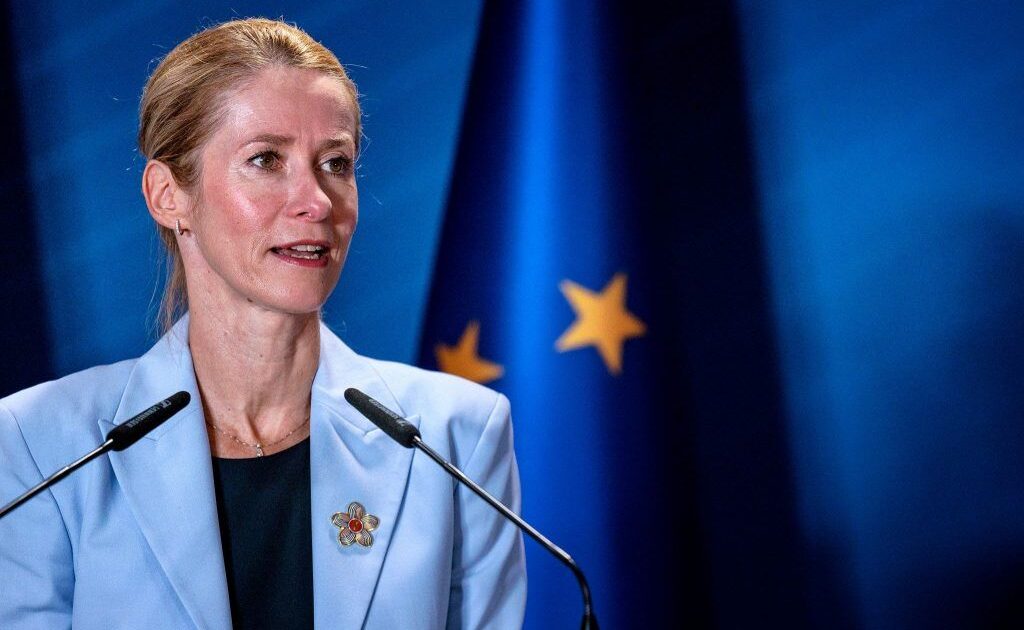
EU High Representative for Foreign Affairs and Security Policy Kaja Kallas said today that Russia’s drone attack on a passenger train near the Ukraine–Poland border was aimed at frightening Western countries and discouraging them from supporting Ukraine, according to The Guardian.
“We must do the opposite. We must show that we are here for Ukraine and that we are not afraid,” Kallas told reporters in Rovaniemi, Finland, where she is attending an Arctic strategy summit.
She described the attack as a clear message to the Western world, stressing that European countries must not allow Russian threats to affect their support for Ukraine. Kallas also warned that Russia’s ambitions go beyond Ukraine, so, she said, Europe must stand firm in the face of attempts to intimidate and divide it.
On September 13, a Russian drone struck the locomotive of a passenger train traveling from Kyiv to Warsaw near the Yahodyn station, about two kilometers from the Polish border. According to Ukraine’s state railway company, Ukrzaliznytsia, there were no deaths or injuries.
The attack came shortly after a diplomatic train carrying former British prime minister Boris Johnson, former Swedish prime minister Carl Bildt and other European officials had departed earlier than scheduled from the same station. Former CIA director David Petraeus was on another train at the station. Ukrainian authorities have raised suspicions that the diplomatic train may have been the intended target of the attack, though this has not been independently confirmed. Johnson condemned the attack, calling it a senseless act against civilian infrastructure.
The incident drew strong reactions across Europe. French Foreign Minister Jean-Noël Barrot said the attack aimed to frighten and divide Europeans, while Polish authorities expressed concern about the escalation of threats near NATO’s border. The strike came at a time of heightened tensions between Russia and Western countries, as the EU and NATO continue to support Ukraine.
Source: The Guardian


Komentet
Bëhu i pari që komenton!
Lini një Koment të Ri
Për t'u përgjigjur një komenti specifik, kliko butonin 💬 Përgjigju poshtë atij komenti.