
Gwangju Biennale mired in censorship scandal: China withdraws after ‘Taiwan Pavilion’ name is restored
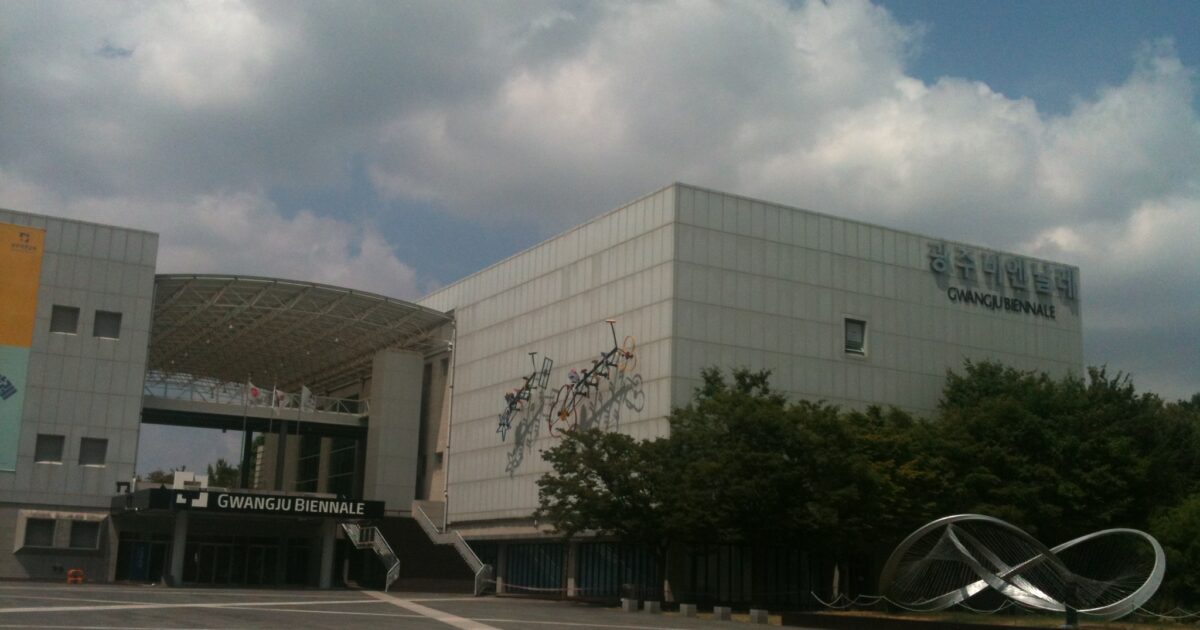
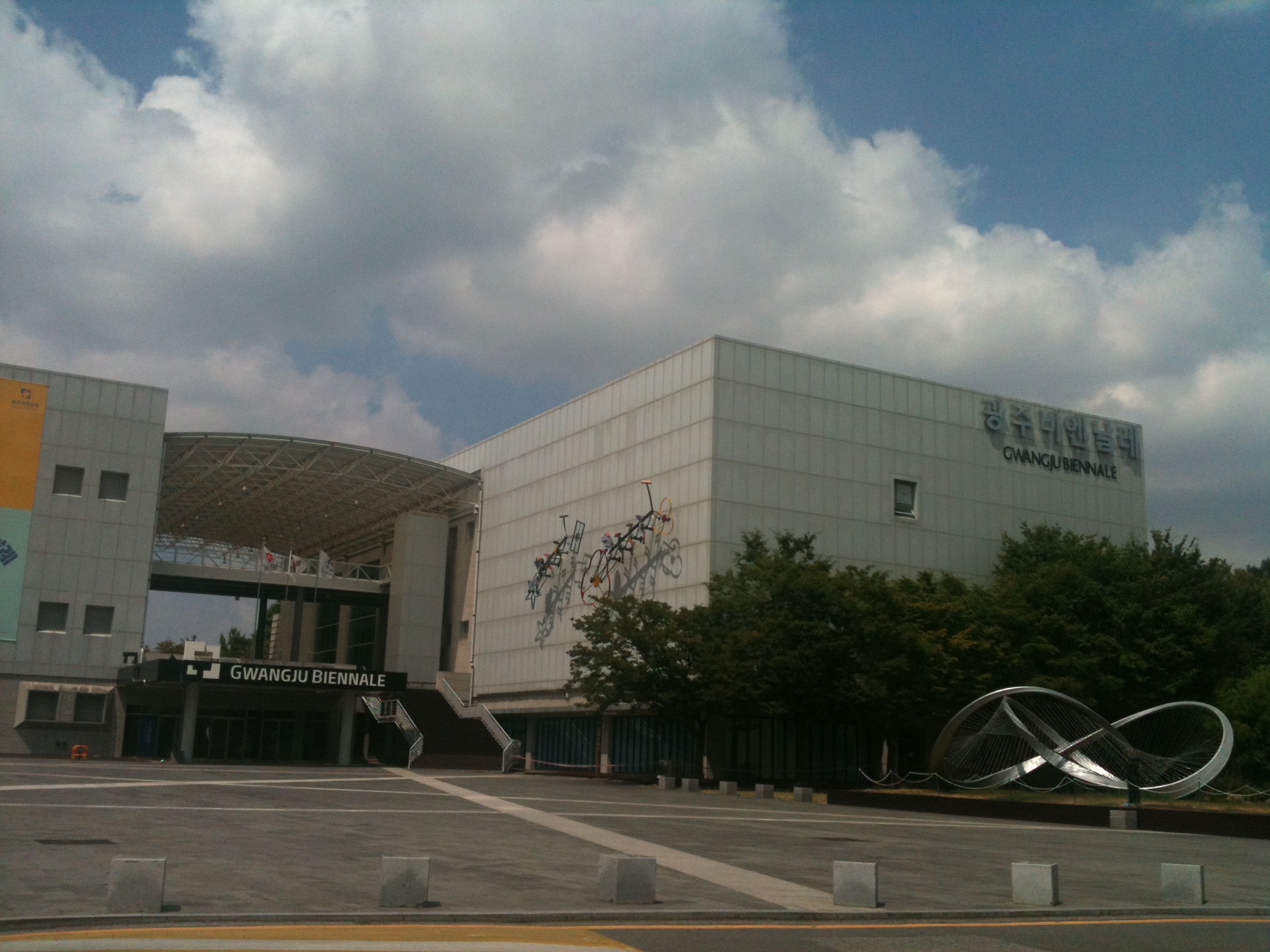
The 16th edition of the Gwangju Biennale, one of the biggest contemporary art events in Asia, opened in an atmosphere of diplomatic tension, as USA Art News reports. It all began when organizers dropped the island’s identity from the title of its exhibition, listing it as the “NTMoFA Pavilion” — the acronym of Taiwan’s National Taiwan Museum of Fine Arts — instead of the agreed name “Taiwan Pavilion”. Taiwanese artists denounced the decision as “political censorship” and called for the intervention of Taiwan’s ministries of culture and foreign affairs.
After weeks of negotiations and pressure from the international art community, the biennale foundation restored the original name on August 25. But Taiwan’s victory came at a cost: China, which considers Taiwan part of its territory, called the decision a grave violation of the “One China” principle, immediately halted the installation of its pavilion and officially withdrew from the exhibition. The Chinese consulate in Gwangju called on organizers to “immediately correct the mistake,” while the Gwangju city government formally apologized to Beijing, according to The Art Newspaper.
At the opening-day press conference, Gwangju Biennale Foundation president Youn Bummo tried to calm the situation through an interpreter: “art is art; politics is politics,” asking the media and the public to separate art from politics, as well as apologizing for the recent controversy. Ironically, the main exhibition, curated by artist Ho Tzu Nyen together with Che Kyongfa, Gahee Park and Brian Kuan Wood, is titled “You Must Change Your Life” — taken from Rainer Maria Rilke’s poem “Archaic Torso of Apollo” — and embraces precisely the connection between art and politics.
Ho Tzu Nyen has challenged the “expansionist inflationary model” of biennales by reducing the number of participants to just 43 artists and collectives — the smallest number since the biennale’s founding in 1995, he explains to ARTnews. The exhibition unfolds across five galleries as a thematic journey: from “Molecules and Me” to “Bonds and Bodies”, “Landscapes and Learning”, “Cosmos and Change” and the epilogue “Air and Articulations”, with works by artists such as Nina Canell, Wang Tuo, LuYang, Sohrab Hura and Amanda Heng from Singapore. The 16th Gwangju Biennale is open until November 15, 2026.
Komentet
Bëhu i pari që komenton!
Lini një Koment të Ri
Për t'u përgjigjur një komenti specifik, kliko butonin 💬 Përgjigju poshtë atij komenti.