
Jay Clayton reveals the make-up of the “Super Intelligence Force”: Vance, Hegseth and Rice in the AI working group
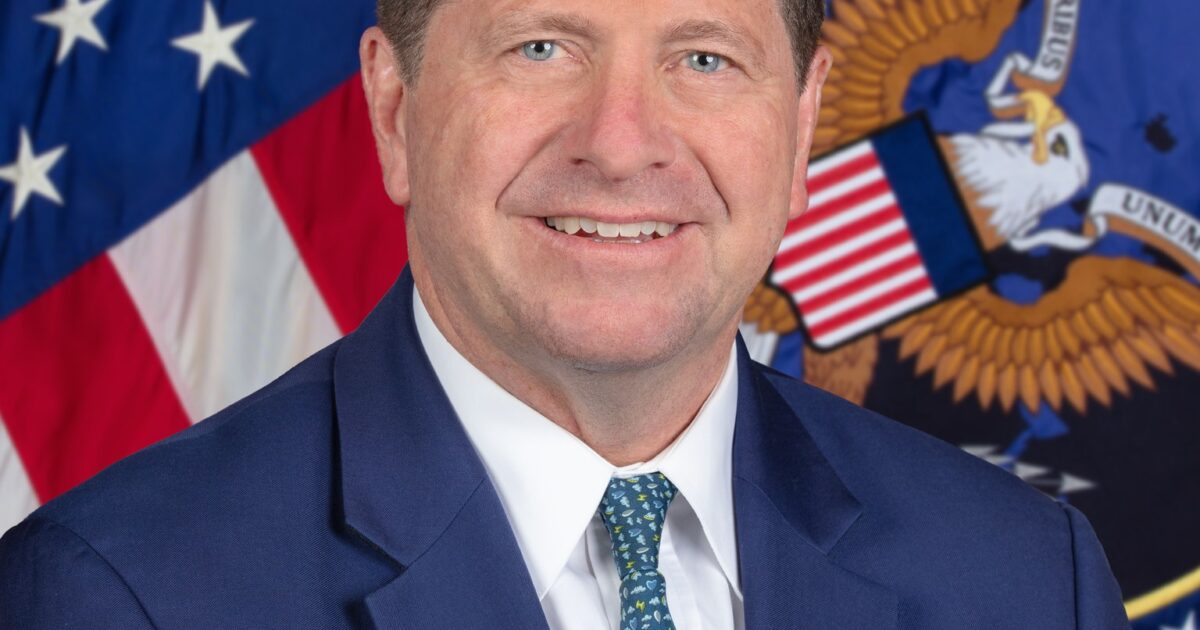
The U.S. director of national intelligence, Jay Clayton, has revealed the plans of the “Super Intelligence Force”, the White House’s new working group on artificial intelligence, which he himself will lead as the Trump administration’s AI “czar”. As the Wall Street Journal reports in an exclusive interview, the working group will have 120 days to report on the risks and opportunities of the technology and to define the federal government’s responsibility.
“The risk of not being first is high,” Clayton said in the interview. “Not being first increases the identified and unidentified risks, especially from our adversaries. Being first will enable us to better address those risks on behalf of the American people,” he added, according to the newspaper. The working group’s charter states that the task force will act as a coordinating body “to ensure that the U.S. remains at the forefront of SI development, while protecting the American people”.
The structure of the working group is revealed for the first time: three vice-chairs — Emil Michael, responsible for coordination with AI companies; Scott Kupor, responsible for coordination with critical infrastructure providers; and Andrew Ferguson, chairman of the Federal Trade Commission, responsible for consumer interests. Members will include Vice President JD Vance, Defense Secretary Pete Hegseth, Treasury Secretary Scott Bessent and chief of staff Susie Wiles, while external advisers will be the venture capitalist David Sacks and former secretary of state Condoleezza Rice.
The group’s formation comes after the meeting President Trump organised on Tuesday at the White House, where AI leaders — including OpenAI president Greg Brockman, Anthropic chief Dario Amodei and Nvidia chief Jensen Huang — signed the non-binding self-regulation commitment called the “White House Accord on Super Intelligence”, as the newspaper recalls.
Clayton added that the working group will also examine legislative options that could become part of an AI framework, and that its work could be extended beyond 120 days if necessary. His appointment comes just days after Trump signed the executive order changing the official term “artificial intelligence” to “super intelligence”, as the Washington Examiner reports.
Komentet
Bëhu i pari që komenton!
Lini një Koment të Ri
Për t'u përgjigjur një komenti specifik, kliko butonin 💬 Përgjigju poshtë atij komenti.