
Return of tankers to Hormuz is not stopping the bond slide: Brent at $102, U.S. mortgages above 7%
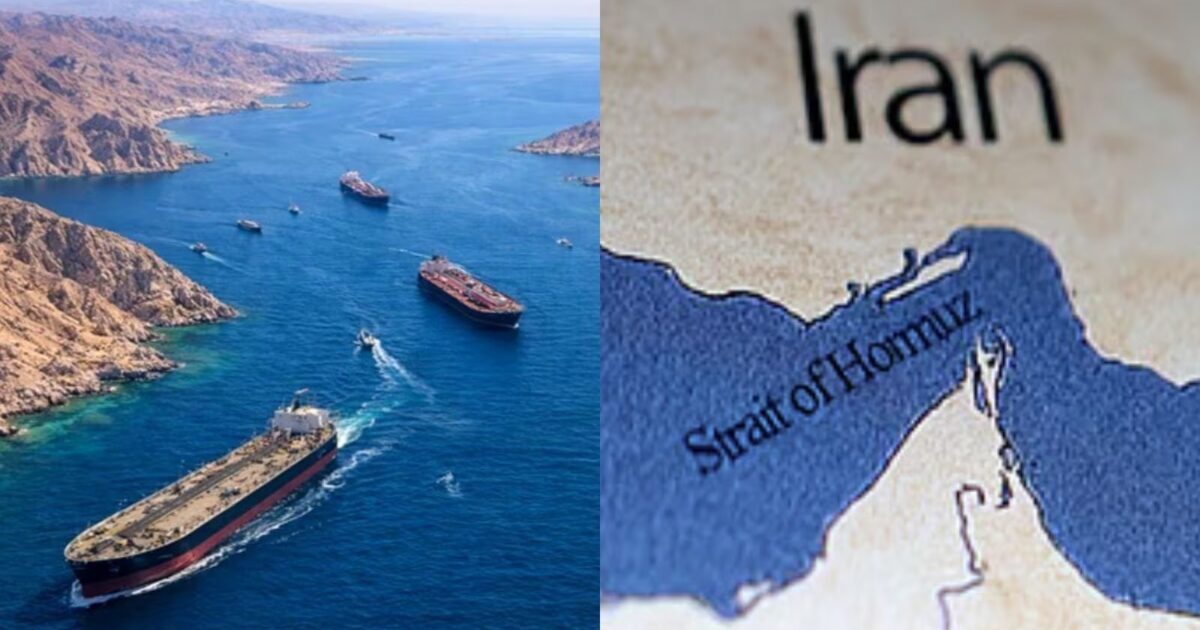
The return of oil tankers through the Strait of Hormuz was supposed to lower the prices of oil, petrol and diesel, ease inflation and reduce borrowing costs around the world. But it is not happening, as The Wall Street Journal reports. Even though U.S. forces have worn down Iran’s ability to attack tankers and energy infrastructure and shipments are recovering towards pre-war levels, the global crude oil benchmark jumped 4.4% on Thursday to $102.31 a barrel. Average petrol prices in the U.S., according to AAA, are staying above $4.41 a gallon, while the yield on the 10-year U.S. Treasury bond this week marked its highest level in 24 years.
Behind this stand intertwined threats that continue to tighten the oil market: estimates of traffic in Hormuz vary and traders fear that a re-escalation could narrow supplies again; the Houthi rebels threaten the sea routes that carry oil along the Arabian Peninsula; and far from them, the Ukrainian air campaign is hitting Russian refineries, which have historically been the “diesel factories” for many industrial economies. These factors are raising the cost of transporting oil and producing fuels — from cars and trucks to commercial aircraft and agricultural equipment — sending inflationary waves into America that could last beyond the November midterm elections and forcing the Federal Reserve to consider new interest-rate rises.
According to Morgan Stanley analysts, crude oil exports from the Middle East have recently been only 7% below pre-war levels, but the data remain murky: many tankers turn off their tracking systems or transfer cargoes between ships to avoid threats. As trader Rebecca Babin of CIBC Private Wealth points out, “it is really unclear”. Sharper is the hit to refined products: J.P. Morgan estimates that exports of petrol, diesel and jet fuel from the region remain about 40% below pre-war levels. Transport costs have exploded — the roughly 21-day voyage of supertankers from the Middle East to China now costs the equivalent of $35 per barrel, from less than $7 before the war, according to Argus, as many ships take the long route around Africa to escape the Houthi threat. In New York, diesel futures are selling at about twice the price of crude oil, with record spreads; 48% of energy company executives believe it will take at least a year for the diesel-crude spread to normalise to 2025 levels, according to a Dallas Federal Reserve survey.
“There is still a high sensitivity in markets to whether there is progress towards a formal agreement between the U.S. and Iran, or to the possibility of new disruptions”, said Arend Kapteyn, global head of economics at UBS Investment Bank. Meanwhile, President Trump expects Tehran not to make a deal until after the midterm elections — and has privately told aides he expects to resume bombing after Americans vote, according to the newspaper’s reporting. However, analysts believe energy prices are not yet high enough to force a major slowdown of the economy, driven by the artificial-intelligence boom and the record stock market — and strategist Seema Shah of Principal Asset Management warns that yields could climb even higher.



Komentet
Bëhu i pari që komenton!
Lini një Koment të Ri
Për t'u përgjigjur një komenti specifik, kliko butonin 💬 Përgjigju poshtë atij komenti.