
Russian billionaires finance over 1% of Russian state spending with “voluntary donations” after meeting with Putin
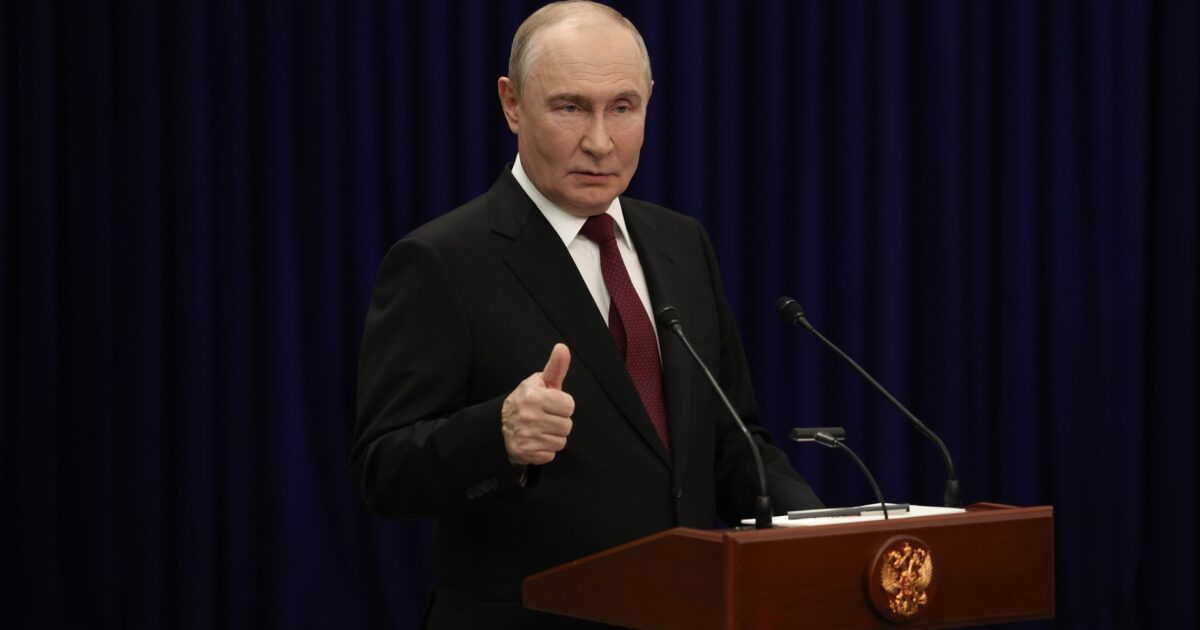
Russia’s richest people have covered over 1% of this year’s government spending through “voluntary” donations discussed with President Vladimir Putin at a closed-door meeting in March, state budget documents show, as Reuters reports.
The closed-door meeting with Putin was attended by Russia’s biggest businessmen, most of them under Western sanctions, while the full list of participants was never made public. Putin himself said in September that “hundreds of billions” of rubles had been donated after that meeting.
Russia forecasts a budget deficit of 3.2% of gross domestic product this year, or 7.3 trillion rubles ($87 billion) — double the initial target of 1.6%, according to Reuters’ analysis of the budget documents. Without the donations, which have reached 471 billion rubles (over $5.6 billion) so far this year, the deficit could have reached 3.4% of GDP.
The Kremlin said the unidentified businessman who proposed the initiative had argued that, since many wealthy Russians had made their fortunes during the 1990s thanks to ties with the state, it was now their duty to contribute to the state budget. After the meeting, the Kremlin said one participant had offered to contribute a “very, very large sum of money” and that Putin had welcomed the initiative.
The government also plans to collect 385 billion rubles in 2026 from the sale of assets it has confiscated from private businesses in recent years, as part of the largest redistribution of property since the privatizations of the 1990s — citing as reasons illegality, corruption and foreign ownership of strategic assets.
The government raised taxes and borrowing in 2025 to finance the deficit and to maintain spending on the military and security, which are planned to reach 38% of total budget spending this year. The contributions — marked as “voluntary revenues” in the budget documents — exceeded the revenues from the windfall tax on corporate profits, paid mainly by metals and fertilizer companies.
Komentet
Bëhu i pari që komenton!
Lini një Koment të Ri
Për t'u përgjigjur një komenti specifik, kliko butonin 💬 Përgjigju poshtë atij komenti.