
Saudi Arabia resumes Red Sea oil exports after pipeline repairs — a blow to Iran, WSJ reports
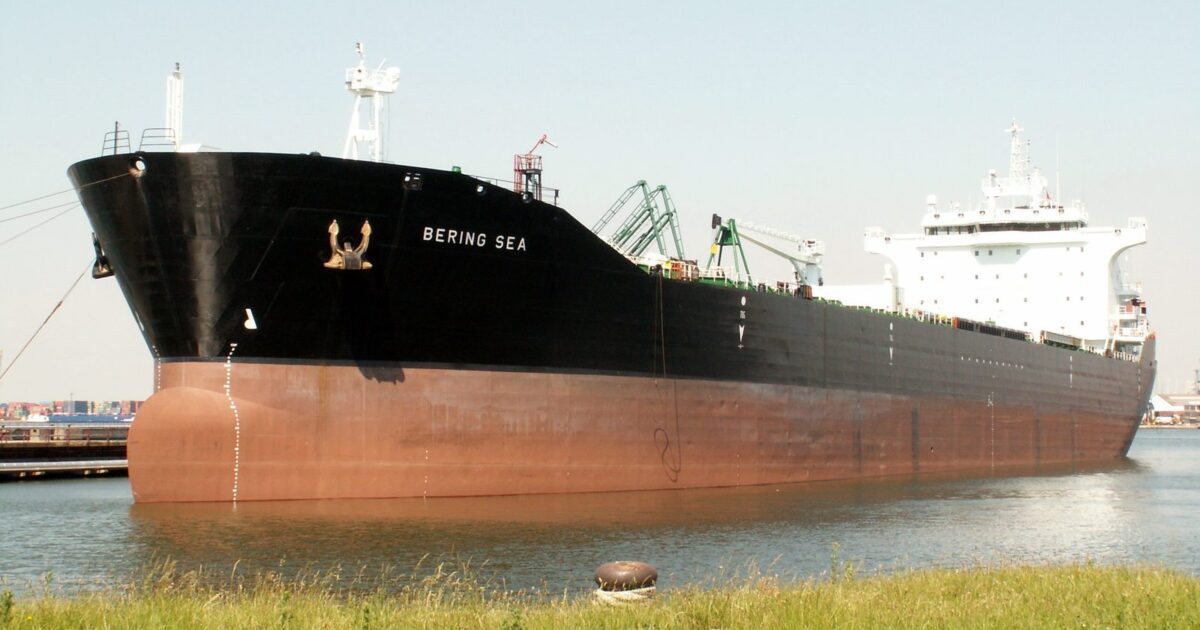
Saudi Arabia has resumed oil exports through its strategic East-West pipeline after repairing damage caused by drone strikes, the Wall Street Journal reports, citing sources familiar with the matter — a development that restores a key route bypassing the Strait of Hormuz and deals a blow to Iran.
The 750-mile (about 1,200 km) pipeline linking the kingdom’s oil fields on the Persian Gulf with the Yanbu port on the Red Sea has become one of the most important pieces of global energy infrastructure during the war with Iran, serving as an alternative to the sharply restricted tanker traffic through Hormuz. It can carry up to 7 million barrels a day — about 2 million for Saudi domestic refineries and the rest for export — but had never operated at full capacity for extended periods before the war began on February 28. About 4 million barrels a day — roughly 4 percent of global supply — flowed through it before drone strikes, attributed to Iran-backed forces in Iraq, damaged it on September 10, analysts estimate.
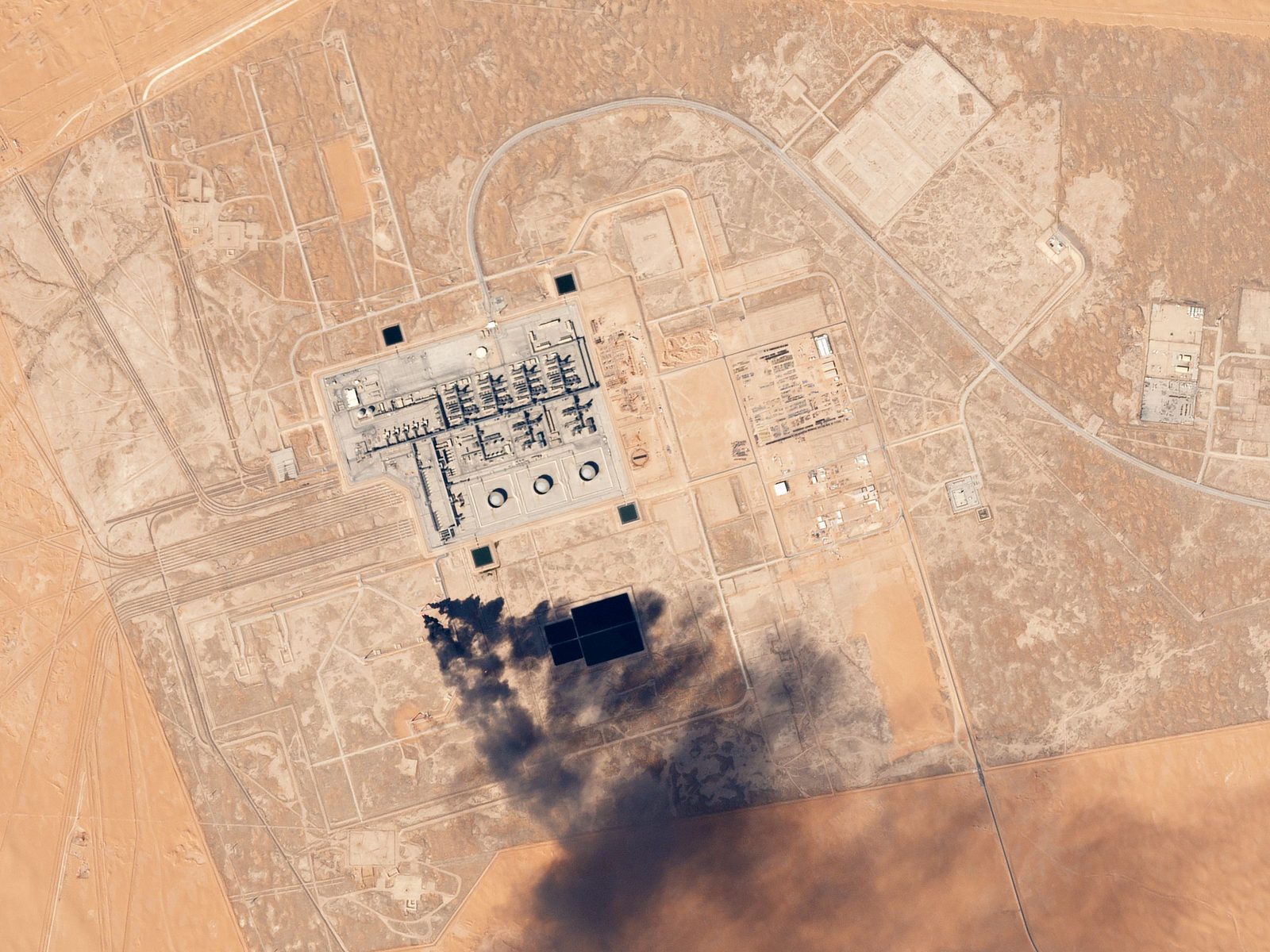
According to the newspaper’s sources, Aramco began loading crude tankers at the Yanbu port through the pipeline on Sunday and is operating it at a rate of about 3.5 million barrels a day, part of which will go to domestic refineries. The return of exports through the pipeline comes as Riyadh has found ways to move more oil through Hormuz as well, despite Iran: loadings at its Gulf port of Ras Tanura recently rose to about 6.5 million barrels a day, from 1.5 million in early September, according to data from the tracking firm Kpler.
“The key issue oil traders are watching is whether Saudi Arabia can sustain high export volumes through the Strait of Hormuz while simultaneously restarting shipments from Yanbu,” Hamad Hussain, a senior economist at Capital Economics, told the newspaper. According to him, if the high shipments from the Gulf hold steady as operations at Yanbu recover, total Saudi exports could exceed pre-attack levels, which would help reverse the recent rises in crude prices. He cautioned, however, that “exporting from Yanbu is more challenging than it was earlier in the conflict, given the threat the Houthis pose to energy infrastructure.”
Oil prices pared gains on Monday after news of the pipeline shipments spread, but remained elevated: Brent crude, the international benchmark, was still above $105 a barrel, the newspaper reports. Aramco did not immediately respond to a request for comment.



Komentet
Bëhu i pari që komenton!
Lini një Koment të Ri
Për t'u përgjigjur një komenti specifik, kliko butonin 💬 Përgjigju poshtë atij komenti.