
Hepatitis C linked to schizophrenia and bipolar disorder
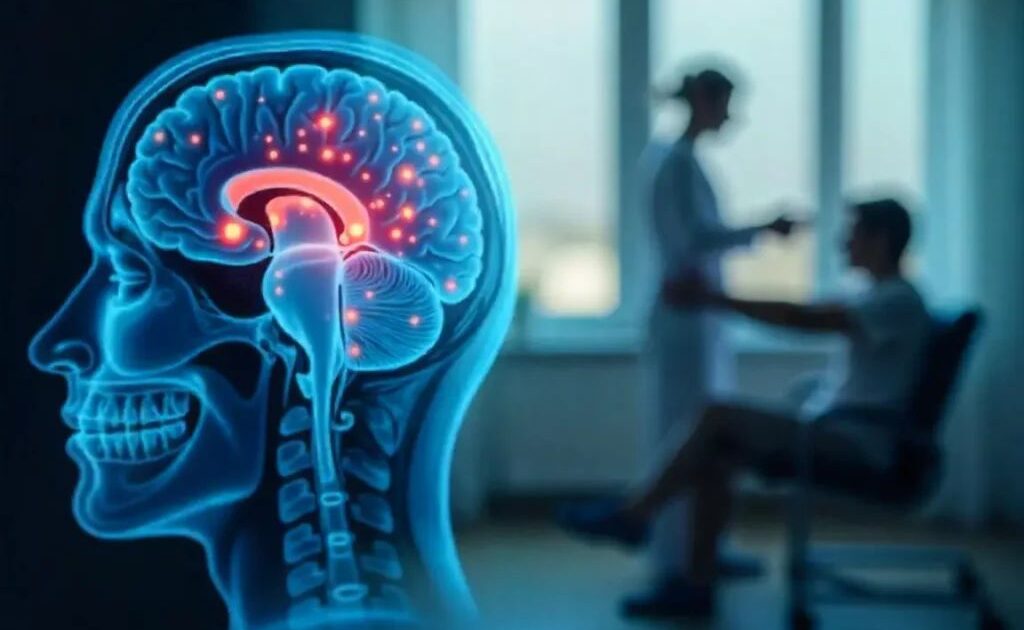
A study led by researchers at Johns Hopkins University in the United States has found that the hepatitis C virus (HCV) may be present in the choroid plexus, a cellular structure lining the brain’s ventricles that produces cerebrospinal fluid and helps protect the brain.
The study, published in the scientific journal Translational Psychiatry, analyzed post-mortem brain tissue samples from 256 people: 84 with schizophrenia, 73 with bipolar disorder, 23 with major depression and 76 people with no psychiatric diagnosis.
The researchers identified 13 types of viruses in the samples of 46 people.
Hepatitis C was the only virus that showed a statistically significant link with schizophrenia and bipolar disorder.
HCV RNA was found in choroid plexus samples of people with schizophrenia or bipolar disorder, while it was not reported in the major depression group or in controls without psychiatric disorders.
The researchers then analyzed electronic health data from a database covering more than 285 million people.
Chronic hepatitis C was documented in 3.6% of people with schizophrenia and 3.9% of those with bipolar disorder, compared with 1.8% of people with major depression and 0.5% of the control group.
Another finding was that the researchers detected no hepatitis C RNA in the hippocampus, the brain area linked to memory and learning.
However, in the seven people in whom HCV was found in the choroid plexus, the researchers noted changes in the activity of several genes in the hippocampus, including changes linked to the immune response.
The researchers stress that these results do not prove that hepatitis C causes schizophrenia or bipolar disorder.
The study shows a link and offers biological evidence that HCV may be present in the choroid plexus and be associated with changes in brain tissue, but it does not determine whether the infection is a direct cause of the psychiatric disorders.
The authors suggest that, since hepatitis C can be treated with antiviral drugs, further research should examine whether treating the infection in certain patients could also affect psychiatric symptoms.



Komentet
Bëhu i pari që komenton!
Lini një Koment të Ri
Për t'u përgjigjur një komenti specifik, kliko butonin 💬 Përgjigju poshtë atij komenti.