
Peer violence requires a joint response from institutions
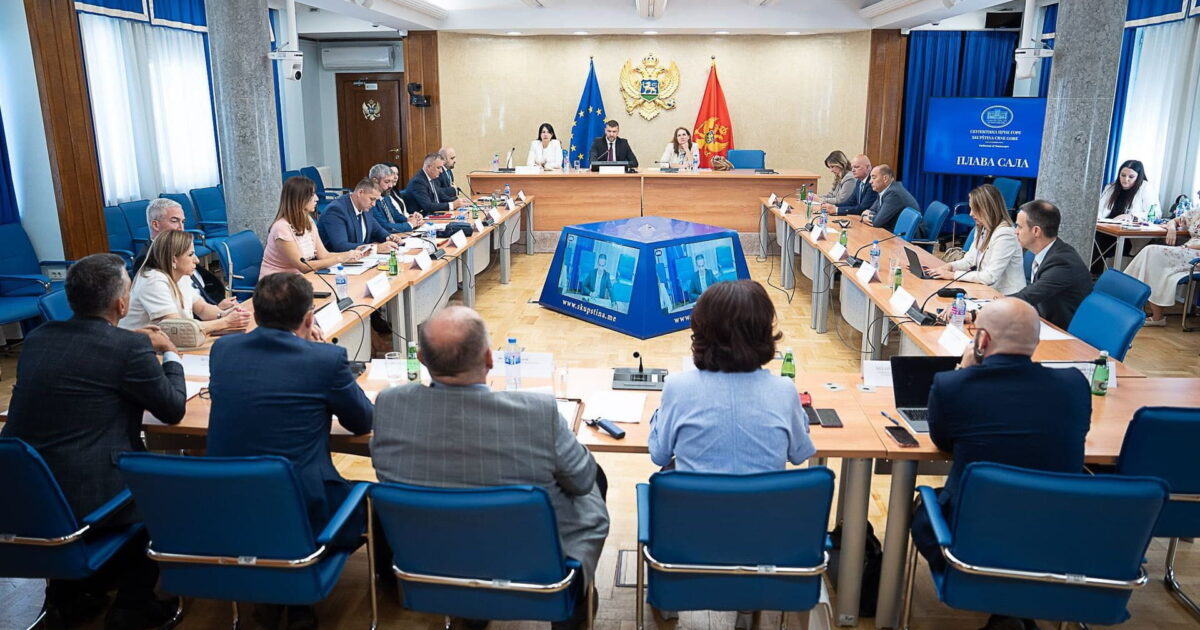
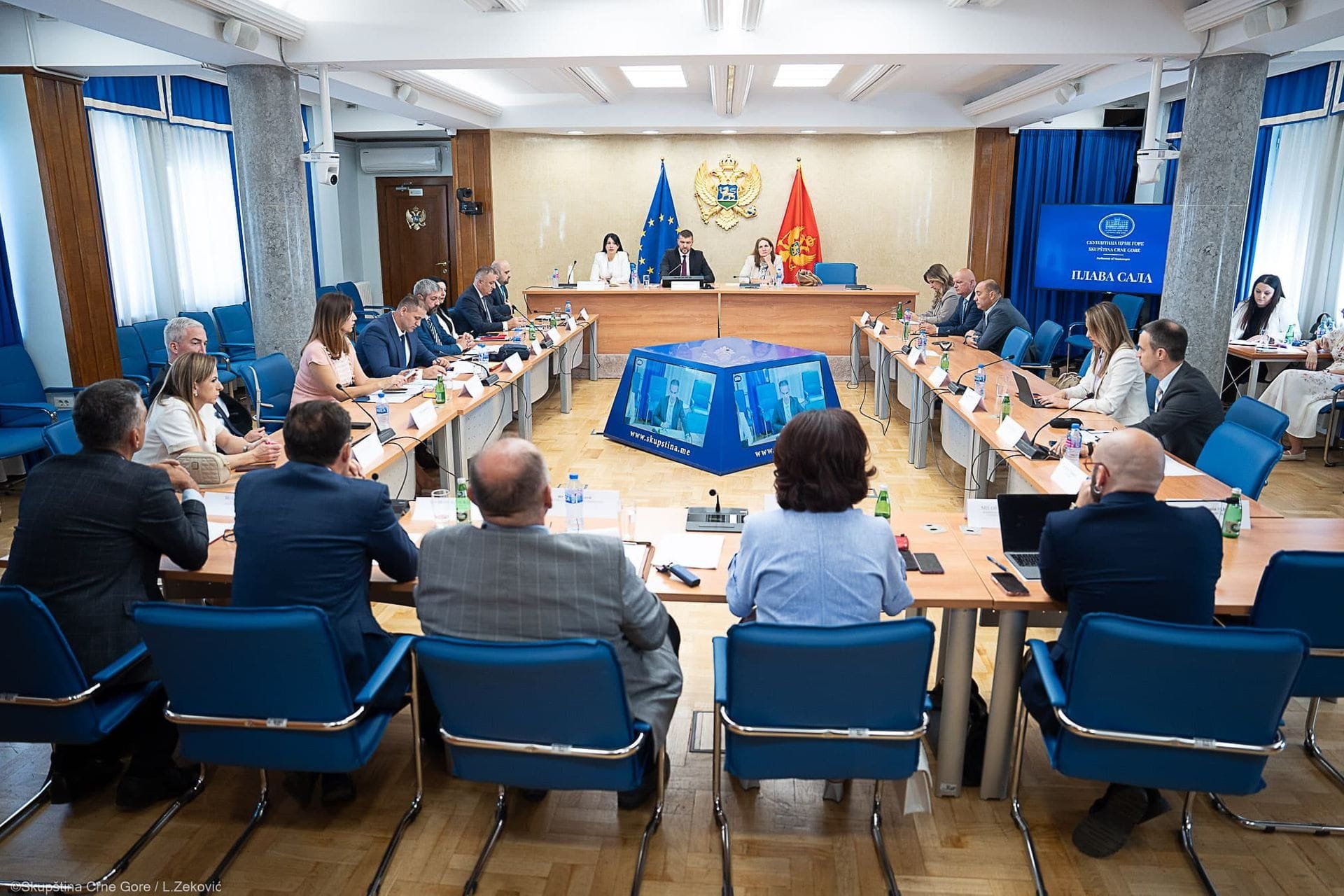
Photo: Parliament of Montenegro / Skupština Crne Gore
Peer violence is a systemic problem that requires institutional cooperation, while Montenegro still lacks sufficient and interconnected data, clear institutional responsibilities and adequate mechanisms for measuring results.
These assessments were given at a parliamentary hearing on peer violence, initiated by the parliamentary group leader of the European Alliance, Boris Mugosha.
According to the data presented, in the 2024/2025 school year 132 cases of peer violence were registered, compared to 104 cases a year earlier.
Minister of Social Welfare, Family Care and Demography, Damir Gutiq, said the effective protection of victims and the resocialization of minors who commit violence require strong inter-institutional cooperation.
Particular attention was also paid to digital violence, parental education and increasing digital literacy.
The State Audit Institution stressed that from 2017 to 2025 no functional and sustainable system had been created for monitoring and evaluating measures against peer violence.
According to data, through the education information system, in four school years a total of 605 cases were recorded, while authorities stress that this does not represent the real number of all cases.
Ombudsman Sinisha Bjekoviq warned that violence does not always start in school, but often only escalates there, demanding more effective mechanisms for prevention, monitoring and response.

Komentet
Bëhu i pari që komenton!
Lini një Koment të Ri
Për t'u përgjigjur një komenti specifik, kliko butonin 💬 Përgjigju poshtë atij komenti.