
Persian Gulf oil exports reach 72% of pre-war levels — U.S. says Iran is “exhausted” by blockade
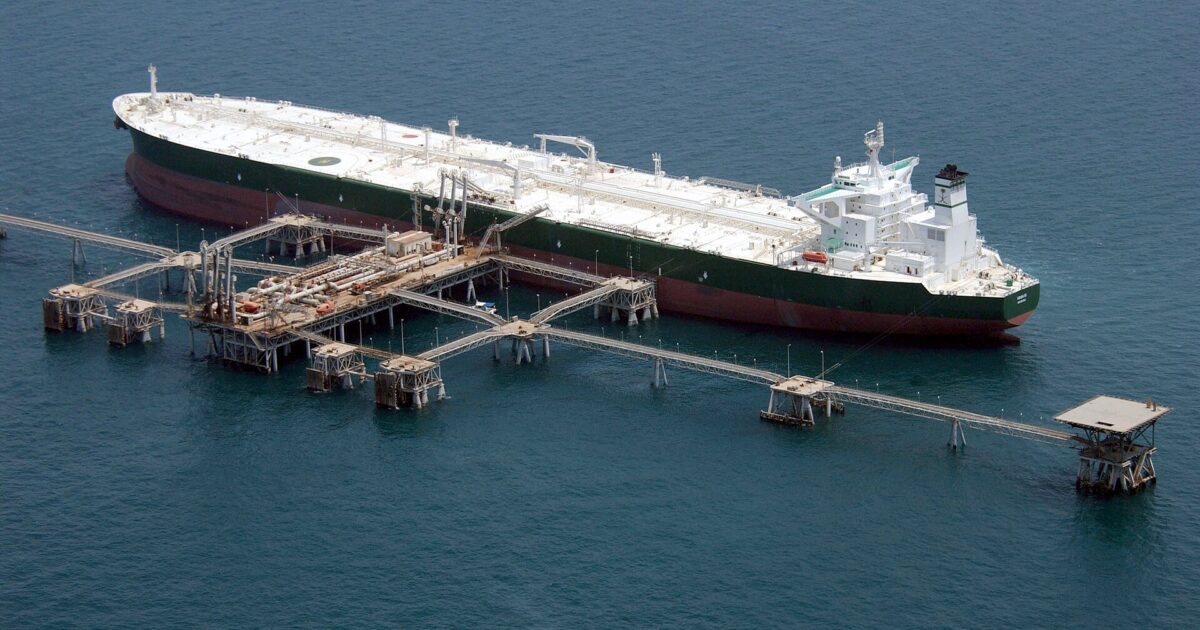
Oil is flowing again in the Persian Gulf — even as Iran is gasping for breath, as the New York Post reports. The region’s oil exports have recovered to 72% of pre-war levels, and the flow of crude through the Strait of Hormuz is now just under half of what it was before the war, according to analysts. Total Persian Gulf exports for September averaged more than 13 million barrels of oil a day — close to pre-war levels, according to data from maritime tracker Kpler.
September was the war’s best month for flow through the strait: an average of 7.3 million barrels a day passed through Hormuz — the highest level of the entire conflict, with about 17 ships a day. U.S. Energy Secretary Chris Wright said on Sunday that there was even a day last week when more than 20 million barrels passed through the strait — more than pre-conflict levels. The recovery was also helped by oil transfers at the UAE’s Fujairah port, which bypasses the strait, as well as ship-to-ship transfers in the Gulf of Oman.
Meanwhile, U.S. officials say Iran is being devastated by the U.S. Navy’s naval blockade, which has locked down Iranian ports and sent Tehran’s trade into freefall. “They’re exhausted,” a U.S. official told the New York Post. “There’s no question they’re exhausted.” According to the official, Iranians are “running out of supplies, water, raw materials and food”, and the blockade is squeezing them “like an anaconda: every time they breathe, we squeeze a little more”.
With oil flows rising, officials say America’s negotiating power only grows stronger — and President Trump is now ready to offer Tehran sanctions relief and the release of frozen assets in exchange for a concrete nuclear deal, an official said. But hardliners in Iran have rejected these terms and have even demanded an end to all cooperation with the Nuclear Non-Proliferation Treaty.
The economic pressure is also showing in the currency: the Iranian rial, already in deep trouble before the war, has fallen to a new historic low of 2.45 million rials to the dollar — compared with 42,000 a year ago. “Operation ‘Economic Outcast’ has driven the rial to record lows,” Treasury Secretary Scott Bessent wrote on X. “We will continue to degrade the Iranian regime’s ability to fund terrorism and develop a nuclear weapon.”
At sea, the situation remains tense but with a week of relative calm: according to the data, no Iranian attack has been independently confirmed in nearly a week, although Iranian media claimed over the weekend that their forces hit 19 ships trying to cross the strait — claims that have not been verified. Iranian armed forces spokesman Abolfazl Shekarchi warned that the U.S. would be “hit” if it continues to interfere in Hormuz. The International Maritime Organization reports that 22 sailors have been killed in 79 confirmed attacks in the strait since the start of the war.

Komentet
Bëhu i pari që komenton!
Lini një Koment të Ri
Për t'u përgjigjur një komenti specifik, kliko butonin 💬 Përgjigju poshtë atij komenti.