State Department report on Albania: Foreign investment rises, but corruption and informality remain a concern
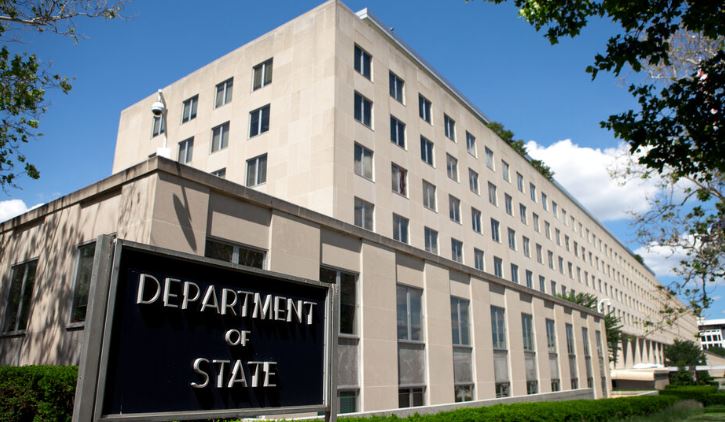
The U.S. State Department has published its report on the investment climate in Albania for 2026, highlighting problems linked to corruption, organised crime, money laundering, property and competition. The 40-page report notes that, despite the growth of foreign investment, investors continue to face a lack of transparency, informality, difficulties in enforcing contracts and limited competition. According to the document, corruption in the administration, the justice system, public procurement and the media ranks among investors’ main concerns. The report also mentions the influence of income from criminal activities on the economy, stressing that money from drug trafficking and tax evasion can distort competition. Another concern reported by investors is the risk of extortion or blackmail by the administration, the media and criminal groups. The document does not identify concrete cases or individuals, but lists this phenomenon among the problems of the business climate.
Strategic investments and PPPs
The report also raises questions about the implementation of the law on strategic investments. According to the document, most approved projects have been concentrated in tourism and financed by domestic companies, while foreign investors have reported delays in responses from institutions. On PPPs, the State Department notes limited competition, weak analyses and a lack of technical expertise in some projects.
Property, a problem for investors
An important part of the report is devoted to property registration. Referring to EU data, the document stresses that 80% of previously registered data require verification, while only 43% of property titles and 10% of cadastral maps have been digitised. Problems with ownership and property registration are assessed as particularly important for investment in coastal and mountain areas.
76 state enterprises
The report also cites OECD data according to which Albania has 76 companies fully or majority owned by the state. However, the country does not publish a full list of these companies, making it harder to assess their assets, income and number of employees. According to the report, the independence of state-enterprise boards remains limited and management appointments can be influenced by political decision-making.
Money laundering and justice reform
The U.S. State Department notes that Albania was removed from the FATF grey list in 2023, but continues to be considered a major money-laundering jurisdiction in U.S. reports. At the same time, the report notes the progress of SPAK and the National Bureau of Investigation in investigating and prosecuting cases of corruption and organised crime, including senior officials.
Foreign investment at record levels
Despite the problems, foreign direct investment in Albania has grown. According to the report, it reached 1.84 billion dollars in 2025, from 1.72 billion dollars in 2024. Real estate accounted for the largest share of investment flows, with 34%, followed by financial services with 18%, extractive industries with 10% and trade with 10%. The report also notes high informality, a shortage of labour and emigration as important challenges for businesses. In conclusion, the American document presents a mixed picture of the investment climate in Albania: foreign capital flows have grown significantly, while corruption, property problems, informality, competition and transparency remain among investors’ main concerns.
Komentet
Bëhu i pari që komenton!
Lini një Koment të Ri
Për t'u përgjigjur një komenti specifik, kliko butonin 💬 Përgjigju poshtë atij komenti.