
What are the 7 NASA inventions that became part of everyday life?
NASA’s inventions did not stay only in space.
Technologies developed initially to meet the challenges of space missions were later adapted for everyday use, from glasses and packaged foods to phone cameras.
Since its founding in 1958, NASA has developed technologies for the needs of space exploration. Some of them were licensed to private companies and turned into widely used products.
Scratch-resistant lenses are one of these technologies. In the 1970s, NASA developed a thin plastic coating for space equipment, which was later adapted to protect plastic eyeglass lenses from scratches.

Anti-fog coatings were developed to prevent vapor from forming on surfaces used in spacecraft. Later, this technology was applied to glasses, sports equipment and vehicle windows.
Another field where space technology has had an impact is medicine. Developments in sound and vibration sensors contributed to the early technology of cochlear implants, which use electrical impulses to stimulate hearing.
NASA and the Pillsbury company also developed a new system for controlling the safety of packaged foods for space missions. The principles of this system were later used widely in the food industry.

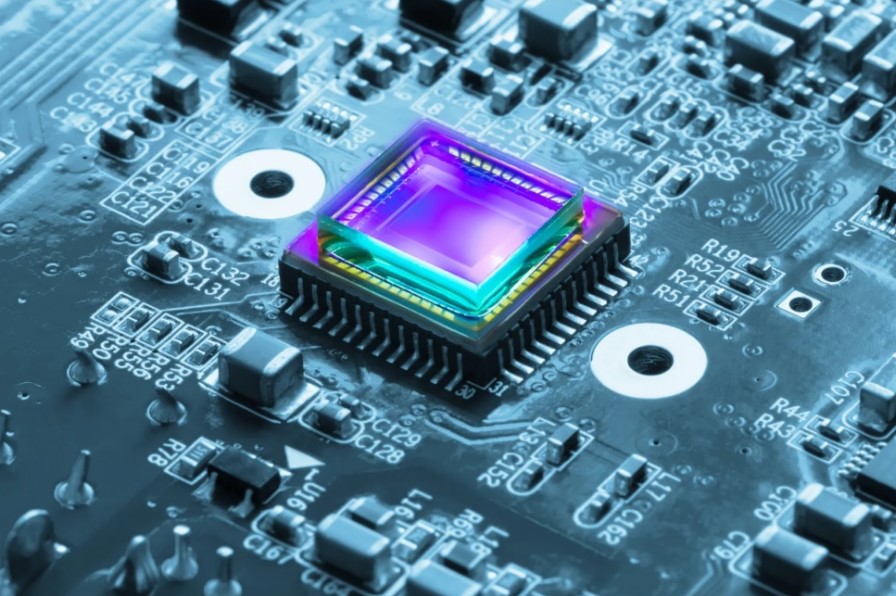
Phone cameras also have a link to technology developed for space. In the 1990s, researchers developed very small, high-quality CMOS image sensors, making it possible to use them in compact devices.
Meanwhile, materials technologies developed to make equipment more resistant to extreme temperatures and corrosion have been adapted for uses in various industries.
Wireless headphones, too, are linked to astronauts’ needs for hands-free communication during missions. The technology was developed to allow astronauts to communicate without the hindrance of cables.



Komentet
Bëhu i pari që komenton!
Lini një Koment të Ri
Për t'u përgjigjur një komenti specifik, kliko butonin 💬 Përgjigju poshtë atij komenti.