Activist Idriz Rrecaj Among Those Identified in Mass Graves in Zubin Potok
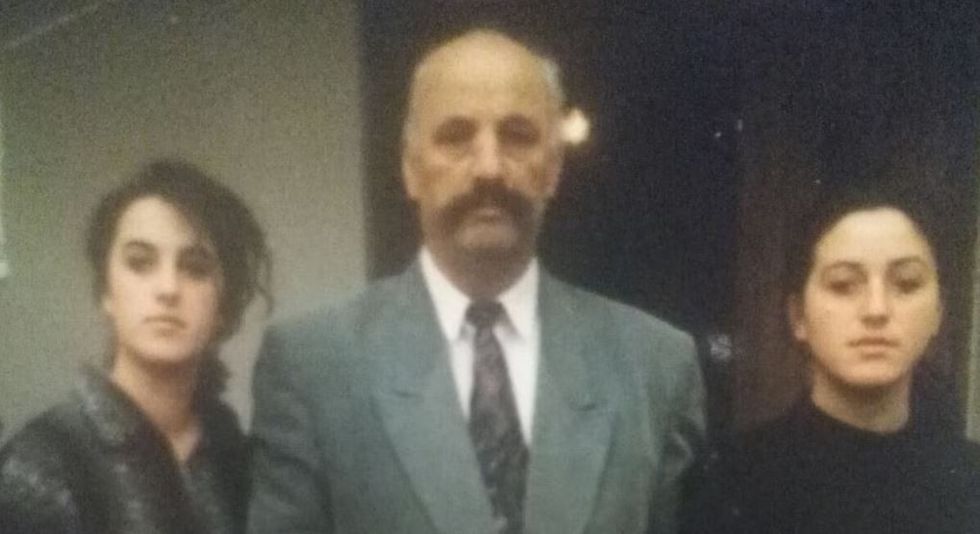
Political activist from Skenderaj, Idriz Rrecaj, is among three people identified after DNA analyses several weeks after the exhumation of mortal remains discovered in mass graves at various locations in northern Kosovo, his family announced on Sunday.
Idriz Rrecaj, decorated in 2019 as “Hero of Kosovo,” was a political activist who, together with 22 other Albanians, known as the “group of intellectuals,” disappeared at a time when the war of Serbian forces in Kosovo had intensified.
“After 27 years of waiting, pain, and uncertainty, we received the news from our institutions that the identification of my parent, Idriz Rrecaj, has been officially confirmed by the DNA laboratory in The Hague,” his son, Shpëtim Rreci, wrote on Facebook.
“The question ‘Where is Idriz Rrecaj?’ has come to an end. We finally have the answer we have waited for so long. Blood never disappears,” he added.
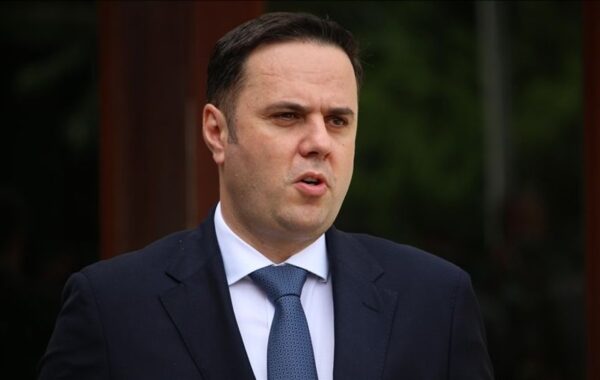
Rreci’s announcement comes a day after Kosovo’s Prime Minister, Albin Kurti, announced that the first three victims of the mass graves discovered in Kalludër and Jabukë in Zubin Potok nearly two months ago had been identified.
According to Kurti, DNA reports had confirmed that the three victims belong to the group known as the “group of intellectuals,” mostly citizens from Skenderaj and Mitrovica, abducted and violently disappeared on April 19, 1999 by Serbian forces.
The Prime Minister had not named the victims by first and last name.
Radio Free Europe had visited Idriz Rrecaj’s family in Skenderaj in August, after authorities said the mortal remains discovered in these mass graves could belong to the group he was part of.
Flora Rrecaj, his daughter, told Radio Free Europe on August 30 that she and other family members had searched for him for a full 27 years through prison lists in Serbia, testimonies, unconfirmed information, and places where mortal remains were occasionally discovered.
While awaiting DNA results to learn whether the mortal remains were her father’s, she had said she was experiencing “mixed” feelings.
“They are feelings of pain, feelings of hope, but also feelings of fear. After so many years, you now have a fear of the answer. But, nevertheless, it is essential and very necessary to know the truth,” she had said.
Meanwhile, it is still unknown who the other two identified victims are.
Kurti’s announcement on Saturday about the identification of the three victims comes nearly two months after three mass graves were discovered in Zubin Potok, where mortal remains of at least 23 people were found.
At the end of last month, Kosovo authorities sent to The Hague in the Netherlands the samples of the mortal remains exhumed at the mass grave locations in Kalludër and Jabukë in Zubin Potok.
Kurti said Kosovo expects to receive the other reports for the samples sent for identification through DNA analysis “in the coming days and weeks.”
The graves in Zubin Potok were discovered about two months ago after a two-year investigation into suspected war crimes, according to Kosovo authorities.
Kosovo’s Special Prosecution is investigating four people for this case, J.R., M.J., R.K, and M.B., suspected of war crimes against the civilian population. All four are in detention.
According to the Kosovo Institute for War Crimes Committed During the War in Kosovo, 1,577 people remain missing from the 1998–1999 war, while a total of 12,230 war victims have been documented.
Kosovo has repeatedly asked Serbia for cooperation in clarifying the fate of missing persons and access to military archives which, according to authorities, could help identify the locations of possible graves.

Komentet
Bëhu i pari që komenton!
Lini një Koment të Ri
Për t'u përgjigjur një komenti specifik, kliko butonin 💬 Përgjigju poshtë atij komenti.