Bron Breakker and 9 other WWE/AEW stars who work better as villains
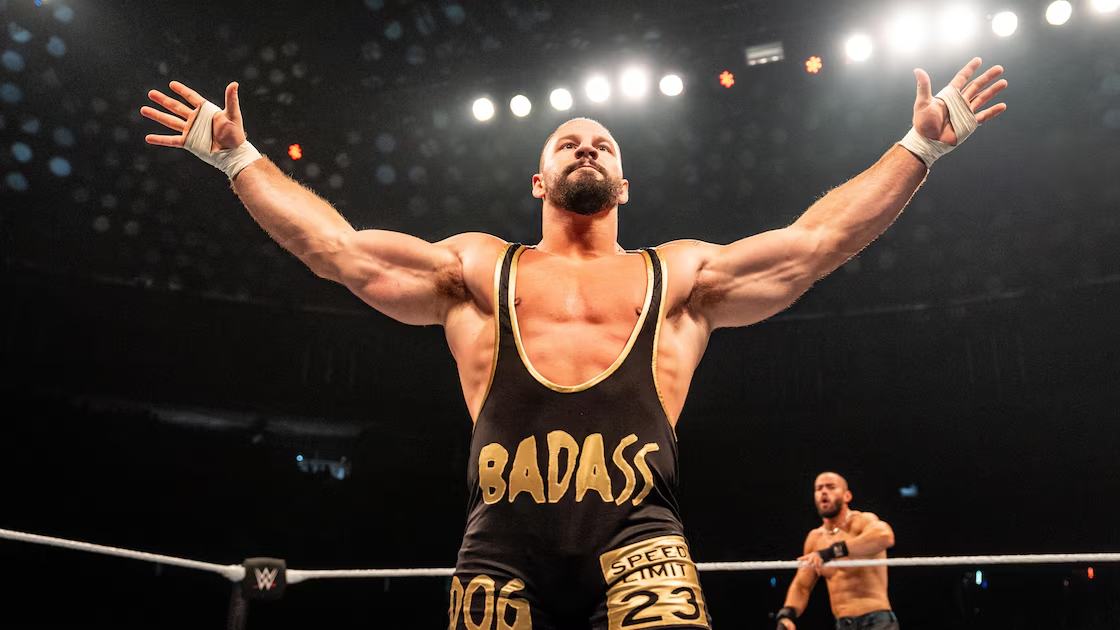
At its core, the spectacle of professional wrestling often thrives on the contrast between the hero and the villain. Although many wrestlers move naturally between the two roles, some names seem to deliver more when they play the antagonist: they have expressions, intensity and distinctive ways of building stories that make them believable as people you are supposed to hate in the ring.
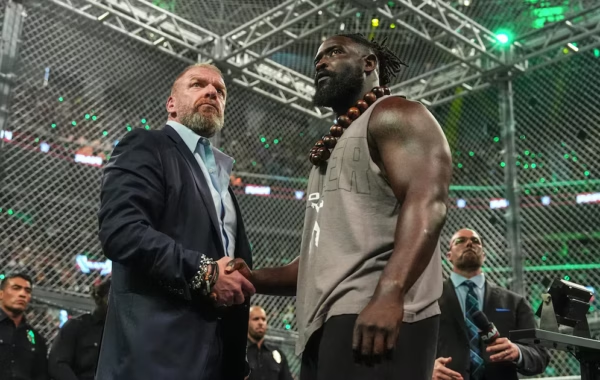
As Bleacher Report notes in a roundup, the list includes names such as Bron Breakker, Ricochet, Logan Paul, Jon Moxley, Nia Jax, Mercedes Mone, Dominik Mysterio, MJF, Randy Orton and Christian Cage — each with traits better suited to the heel role. Bron Breakker, for example, combines athletic power with believable intensity; his gaze and body language make him look unpredictable and threatening, elements that strengthen his position as a credible antagonist in the main-event scene.
Ricochet has brought emotion to the villain role by appearing more rigid and more cunning, while Logan Paul, for many viewers, inspires more hatred than sympathy — a rise that boosts promotional interest and rivalries. Jon Moxley offers this model a wild, unhinged version; his expressions and way of speaking make him suited to playing the lead antagonist in stronger dramatic storylines.
In the women’s division, Nia Jax captures the benefit of the antagonist role thanks to her size and her way of dominating in the ring, making it hard to present her as an underdog. Mercedes Mone, although she often gets cheered even as a heel, shines as an antagonist because of the presence and self-confidence she displays in every feud and rivalry.
Dominik Mysterio gains space and personality when he plays the villain, while MJF is a classic in this regard: his words, arrogance and ability to be believable pit the crowd against the monster that must be broken. Randy Orton and Christian Cage also show that veterans often gain more from committing as antagonists, where character, promos and physical pressure against rivals work in their favor.
These assessments and examples serve as a basis for evaluating how a villainous role can sometimes bring out the strongest aspects of a performer, as the Bleacher Report article also highlights, opening the door to discussions about those names that should remain antagonists in the future.
Komentet
Bëhu i pari që komenton!
Lini një Koment të Ri
Për t'u përgjigjur një komenti specifik, kliko butonin 💬 Përgjigju poshtë atij komenti.