
Can the U.S. Ground Iranian Airlines Worldwide — and What Would That Mean?
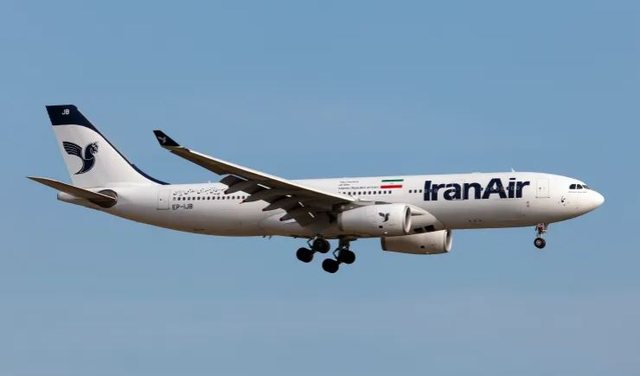
U.S. Treasury Secretary Scott Bessent warned that from September 23, companies providing services to Iranian airlines could face sanctions.
The measure is expected to further weigh on the aviation sector and the travel of millions of Iranians.
The United States is expected to increase pressure on Iran’s aviation sector, warning that from September 23, companies supporting the operations of Iranian airlines could face U.S. sanctions.
U.S. Treasury Secretary Scott Bessent said the measures will not be limited to the airlines themselves but will also affect the chain of services that enable them to operate internationally.
According to him, companies that supply fuel to aircraft, provide landing services, ground services, or sell tickets for these companies could risk exclusion from the U.S. financial system and the use of the dollar.
All 27 Iranian companies under sanctions
According to the material, on September 8 the U.S. sanctioned all 27 Iranian airlines, accusing them of being used by the Iranian regime to transport weapons, personnel, and illicit cargo.
Among the main companies operating outside Iran are Mahan Air, Iran Air, and Qeshm Air.
Mahan Air, which has the widest international flight network among Iranian companies, has suspended several routes to Istanbul, Ankara, and Muscat following U.S. sanctions on foreign companies supporting the Iranian aviation sector.
Iran Air, Iran’s national carrier, has significantly reduced its international network.
According to data cited in the material, it currently operates only a few international destinations, mainly in Iraq and Turkey.
Millions of travelers could be affected
In 2025, according to Iran’s Civil Aviation Organization, about 46.2 million passengers traveled to and from Iran, while 11.2 million of them took international trips.
Of these, about 7.2 million travelers used Iranian airlines.
The new sanctions could particularly affect airports that receive Iranian flights, including Istanbul, Baghdad, Najaf, Dubai, New Delhi, Lahore, Beijing, Shanghai, Guangzhou, Shenzhen, and Phuket.
Experts warn that the consequences could also extend to fuel companies, ground services, and ticket sales infrastructure.
According to analysts, if the measures are fully implemented, a significant portion of the Iranian fleet could be left out of operation.
The measures are part of the U.S. administration’s campaign to increase economic pressure on Tehran and to limit the resources and activities that Washington considers to be in support of the Iranian regime.



Komentet
Bëhu i pari që komenton!
Lini një Koment të Ri
Për t'u përgjigjur një komenti specifik, kliko butonin 💬 Përgjigju poshtë atij komenti.