
Comment – Facing hybrid threats, the EU seeks a joint response mechanism
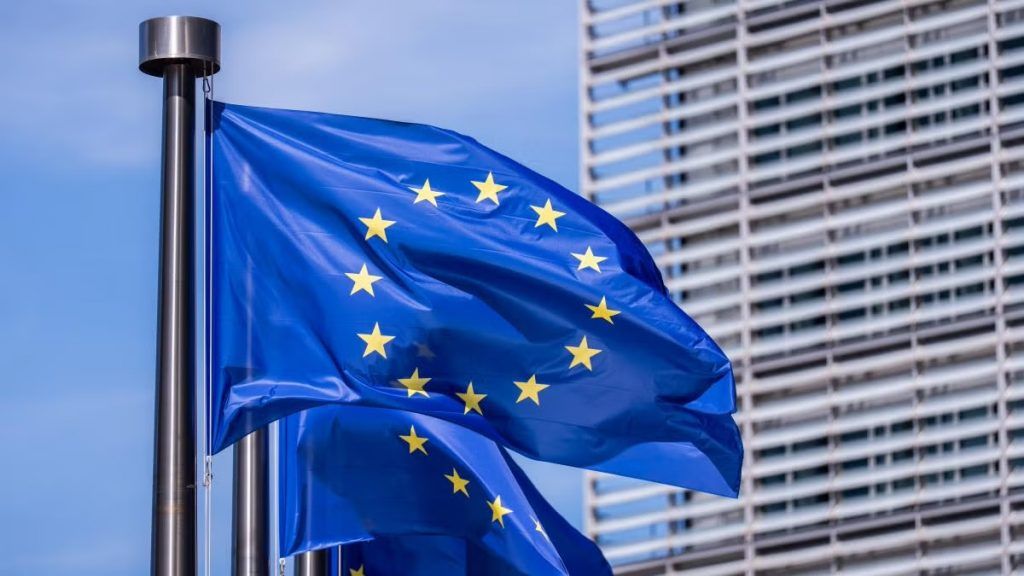
BRUSSELS, Sept. 28 /ATSH-DPA/ — Defense ministers of EU countries today discussed ways Europe can strengthen defense and respond better to threats linked to Russia.
The EU’s top diplomat, Kaja Kallas, said European countries have increased defense investments but still have major gaps in military equipment and capabilities.
“We must focus on ways to fill these gaps,” Kallas said.
According to a European Defence Agency report, the main gaps are in air defense, drones and ammunition reserves.
According to the report, the measures taken so far are not yet sufficient to significantly strengthen European defense by 2030.
German State Secretary for Defence Sebastian Hartmann said Europe is on the right track and that countries must work together to fill these gaps.
He also called on EU countries to significantly increase defense spending, arguing this would enable European industry to produce more military equipment.
EU discusses joint response mechanism
Ministers also discussed for the first time a plan to create a joint EU alarm mechanism for security threats.
The discussion follows a foiled drone attack at a German airport and an attack on a railway line linking Ukraine with Poland.
European Commission President Ursula von der Leyen has proposed that the EU have such a mechanism, independent of NATO, to respond to threats that are serious but do not reach the level of a direct military attack.
If a country were to activate the mechanism, all 27 EU countries would convene to coordinate the response.
The aim would be to prevent escalation of the situation and limit the consequences.
Kallas said some countries see the mechanism as necessary, while others demand that it be linked and aligned with what NATO does.
She said it is still too early to say whether most EU countries will back the plan, as some ministers want more information on how it would work.
What are hybrid attacks?
Hybrid threats were also at the center of the discussion.
The term refers to actions aimed at harming or destabilizing a state without starting an open war.
They can include cyberattacks, information manipulation, economic pressure, political interference and military threats.
Polish Deputy Defense Minister Pawel Zalewski backed the EU plan.
He said NATO is prepared for military threats but has some shortcomings in dealing with hybrid attacks.
Germany stressed that the EU and NATO must act together to respond to these threats.
French Armed Forces Minister Catherine Vautrin stressed the importance of information exchange between the intelligence services of EU countries to improve the response to hybrid threats.



Komentet
Bëhu i pari që komenton!
Lini një Koment të Ri
Për t'u përgjigjur një komenti specifik, kliko butonin 💬 Përgjigju poshtë atij komenti.