
Focus – Oil prices rise after Trump rejects Iranian ceasefire proposal
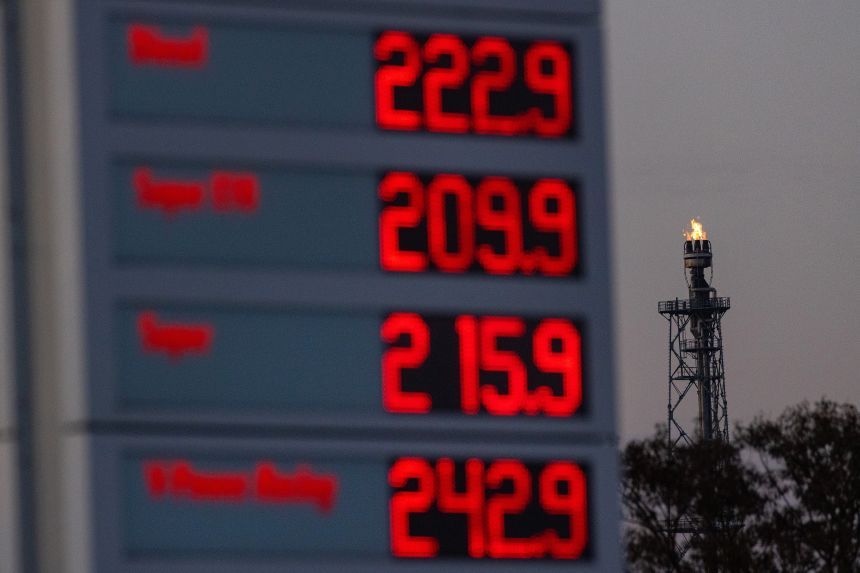
HONG KONG, September 28 /ATSH-AFP/ – Oil prices rose sharply today, and bond yields climbed as well, after US President Donald Trump rejected Iran’s proposal for a seven-day ceasefire.
Iran had presented a plan at the UN General Assembly last week to halt the fighting, which would have led to the reopening of the Strait of Hormuz.
This sea route is one of the world’s most important energy corridors, and its closure has caused major problems in the global oil supply.
Trump said he had rejected the Iranian proposal.
However, he told Axios that he expects negotiations between the two countries to resume.
According to reports, indirect talks through mediators could take place as early as this week.
Tehran, for its part, continues to demand several conditions for reopening the Strait of Hormuz, including lifting the US blockade, easing sanctions on Iranian oil and releasing frozen Iranian assets.
Reuters had earlier reported that a senior Iranian official said Iran could reopen the strait within seven days if the US met those conditions.
On energy markets, Brent climbed back above $106 a barrel today.
On Friday the price had fallen by more than 2% on news of the Iranian proposal, but Trump’s rejection immediately reversed the market’s direction.
The oil rally sparked fresh concerns about inflation. In Asia, the Seoul index fell more than 2% after the market reopened following a long holiday, while Tokyo, Shanghai, Manila, Bangkok and Jakarta also posted declines. In contrast, Hong Kong, Sydney, Singapore and Wellington rose.
The global bond market also came under pressure. The average yield of a world bond index had crossed 4% last week, for the first time since 2007. Rising energy prices could add to the pressure on central banks to keep monetary policy tighter.
Markets are now focused on the US Federal Reserve (Fed) and its next interest-rate decision at the end of October. Ahead of that decision, key US data on inflation and employment are expected, which could influence policymakers’ decisions.
At bottom, markets are facing two scenarios: if US-Iran negotiations advance and Hormuz reopens, the pressure on oil supply and prices could ease; if the conflict and the blockade continue, the risk of higher energy prices and greater inflation remains.
That is also why oil’s reaction to Trump’s statement was so immediate.
Komentet
Bëhu i pari që komenton!
Lini një Koment të Ri
Për t'u përgjigjur një komenti specifik, kliko butonin 💬 Përgjigju poshtë atij komenti.