
Germany’s AfD is so extreme that even other European far-right parties are distancing themselves
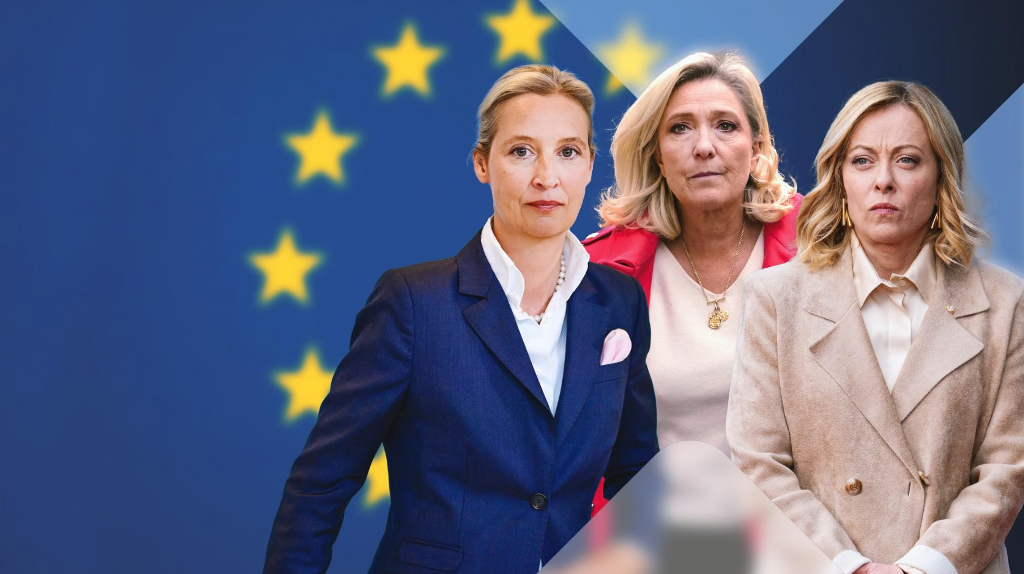
Germany’s Alternative for Germany (AfD) party is gaining more and more support at home, but its rise is creating widespread concern, including in unexpected quarters — such as other European far-right parties.
While AfD enjoys record support domestically, some of its closest ideological allies elsewhere in Europe are keeping their distance from it.
In the recent elections in the state of Saxony-Anhalt, AfD won 43.8% of the vote, marking its highest result at this level. The party fell only three seats short of an absolute majority. The elections in Mecklenburg-Western Pomerania and Berlin also showed growing support for parties at the edges of the political spectrum, particularly for AfD.
Several European right-wing party leaders have welcomed the result. Among them are Geert Wilders in the Netherlands, Viktor Orbán in Hungary and Santiago Abascal in Spain. Abascal described AfD’s advance as a great hope for Germany and Europe.
But major right-wing parties in France, Italy and Britain have kept their distance. In France, the National Rally (RN) has made clear it does not plan to restore cooperation with AfD. The French party has worked for years to change its image and move toward the political center, distancing itself from some of its past’s more radical positions and statements.
Relations between the two parties deteriorated particularly after statements by AfD figures about the Nazi period and after reports of a plan envisioning the mass removal of people of foreign origin from Germany. RN considered these positions incompatible with the course the French party itself has followed, and in 2024 cut off cooperation with AfD.
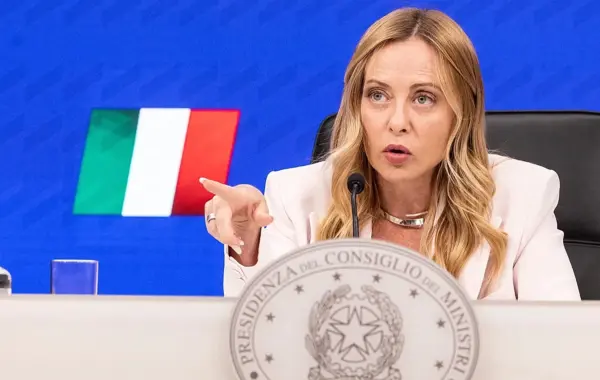
Italy has also maintained a reserved stance. The Brothers of Italy party, led by Prime Minister Giorgia Meloni, is part of the European Conservatives and Reformists group, closer to the European Parliament’s mainstream structures. AfD, meanwhile, sits in a more isolated group.
Another major point of disagreement is foreign policy. Meloni supports NATO and Ukraine, while AfD opposes sending weapons to Ukraine and calls for lifting sanctions on Russia. Meloni has described these differences as irreconcilable.
Reform UK leader Nigel Farage in Britain has also expressed reservations about AfD. He has described the German party as a mixture of positions and has particularly criticized its approach to Russia and Vladimir Putin.
AfD’s policy toward Russia and Ukraine is one of the main reasons the party struggles to build lasting alliances with some other European right-wing parties. Within AfD there are different positions on Germany’s relations with Russia and the United States, while the party opposes part of the aid to Ukraine.
AfD has also had controversial ties to Russia, China and Donald Trump’s political movement in the US. Trump welcomed AfD’s result in Saxony-Anhalt, while Elon Musk has publicly expressed support for the party.
However, AfD’s rise does not automatically mean it will have an immediate impact on German foreign policy. Many of these decisions depend on the federal government in Berlin and the country’s constitutional institutions.
AfD’s strengthening thus puts other European right-wing parties before a dilemma: supporting it could bring them closer to a growing political force, but cooperation could also carry a political cost for parties trying to shed the image of extremism and get closer to governing power.

Komentet
Bëhu i pari që komenton!
Lini një Koment të Ri
Për t'u përgjigjur një komenti specifik, kliko butonin 💬 Përgjigju poshtë atij komenti.