
Politico: Albania among four countries the EU wants to fast-track toward membership
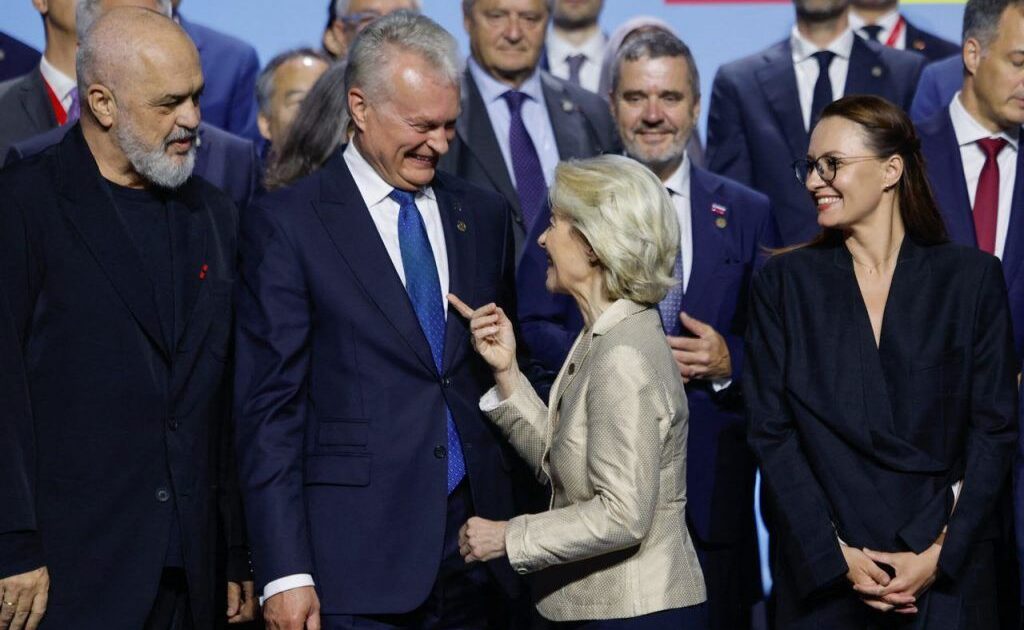
The European Union is preparing proposals that would offer the four most advanced candidate countries a clear, step-by-step path to EU membership, politico.com writes. According to two senior European Commission officials, who spoke on condition of anonymity because of the sensitivity of the plans, dedicated “roadmaps” are being considered for Montenegro, Ukraine, Moldova and Albania.
The initiative is part of efforts to accelerate a membership process that has been moving slowly for years. The four countries are considered among the most advanced candidates toward membership, but so far they have faced different reform paces and a lack of clear deadlines for completing negotiations. Under the new proposal, the countries would receive a clearer perspective: if they meet the necessary reforms, the process would have indicative objectives and deadlines for completing negotiations.
Deadlines and marked reforms. The roadmaps aim to define more clearly what is required of each candidate country. At the same time, they would also create obligations for EU member states, which must give their approval for the process to continue. The plans would also set approximate deadlines for completing groups of reforms, known as negotiating “clusters”. These constitute important milestones on the path to membership.
European Commission President Ursula von der Leyen, during her State of the European Union address in early September, promised targeted support for candidate countries that have made the most progress. A European Commission spokesperson confirmed that the new roadmaps would create a path toward completing accession negotiations. According to him, they would set a clear list of priorities, deadlines and objectives to help the most advanced candidates complete the necessary reforms.
Other countries lag behind. According to the officials cited by POLITICO, at this stage the roadmaps will not be offered to candidate countries considered to be at an earlier stage of the process, such as Kosovo, North Macedonia and Bosnia and Herzegovina. Also left out of this initiative will be Georgia, Turkey and Serbia, whose processes have slowed due to concerns about democratic and rule-of-law backsliding.
“A geopolitical necessity”. The new initiative comes at a time when the EU increasingly treats enlargement as a strategic issue. European leaders are seeking to strengthen ties with democracies and pro-market countries, particularly in the EU’s neighborhood, amid tensions with the United States, practices deemed hostile by China and threats linked to Russia. European officials worry that a very long accession process could cause disappointment in candidate countries or expose them to pressure from external actors opposing their rapprochement with the EU.
In a version of the draft review of pre-accession policy, it is said that enlargement remains a “geopolitical necessity”, while the accession process requires time and deep, sustainable reforms. The document emphasizes that this period should be used strategically, both to prepare the EU for wider membership and to gradually deepen candidate countries’ integration in areas of common interest.
Gradual integration before membership. Alongside the new plans, the EU is reviewing its “pre-accession” policies. The idea is to offer candidate countries a clearer path toward “gradual integration”, using economic benefits and participation in joint projects as incentives for implementing reforms. The review, led by von der Leyen’s close adviser Alexandre Adam, is expected to be presented to senior EU officials on October 6. The goal is to keep candidate countries on the path to membership during the long period needed to complete applications and negotiations.
As part of this review, Ursula von der Leyen and Enlargement Commissioner Marta Kos will also propose changes to the EU’s internal functioning, aiming to establish safeguards to prevent new members from undermining important bloc policies or failing to honor commitments. The changes could include emergency clauses and transition periods before new countries receive all the rights linked to membership.
Decisions requiring unanimity. The European Commission document argues that the EU can handle wider membership through targeted adaptations, mostly within the existing framework of EU treaties. However, some European capitals remain cautious about enlargement, particularly after the experience with the deterioration of rule-of-law standards in Hungary and Budapest’s use of the veto to block some EU policies. The support of all member states is needed for a candidate country to move to the next stages of the accession process.
EU country leaders are expected to discuss how and at what pace enlargement can be realized during the two-day summit in Brussels on October 15. In this context, the European Commission will seek political support for accelerating the process. The European Council will hold a strategic discussion on enlargement and the EU’s internal reforms.
Commissioner Marta Kos earlier told POLITICO she hopes the proposed changes and discussions with European leaders will create an “enlargement autumn”, after several years of slower pace. Meanwhile, Ursula von der Leyen is expected this week to visit the Western Balkans, where she will hold talks with the leaders of Montenegro, Albania, North Macedonia and Kosovo. She will not visit Bosnia and Herzegovina and Serbia, which are in an election period.

Komentet
Bëhu i pari që komenton!
Lini një Koment të Ri
Për t'u përgjigjur një komenti specifik, kliko butonin 💬 Përgjigju poshtë atij komenti.